Life
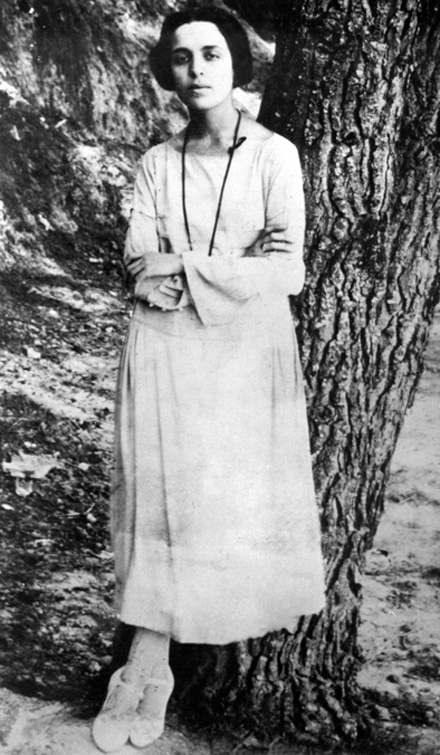
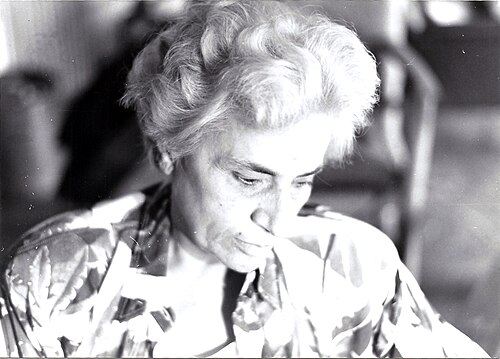
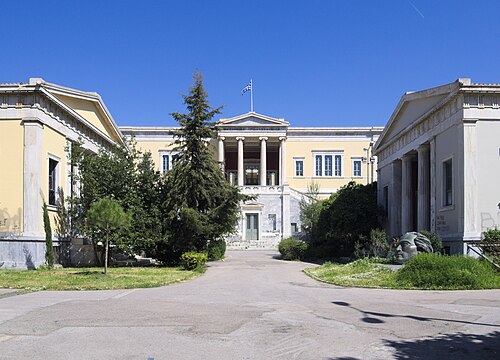
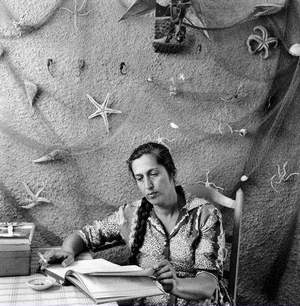
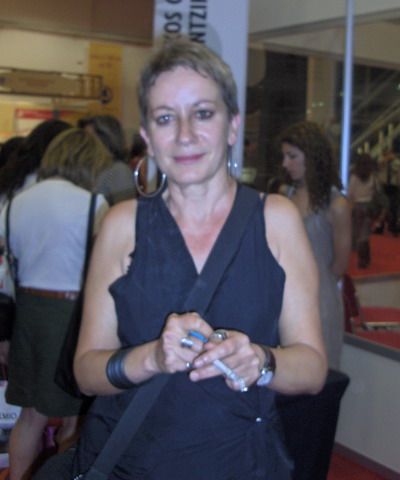
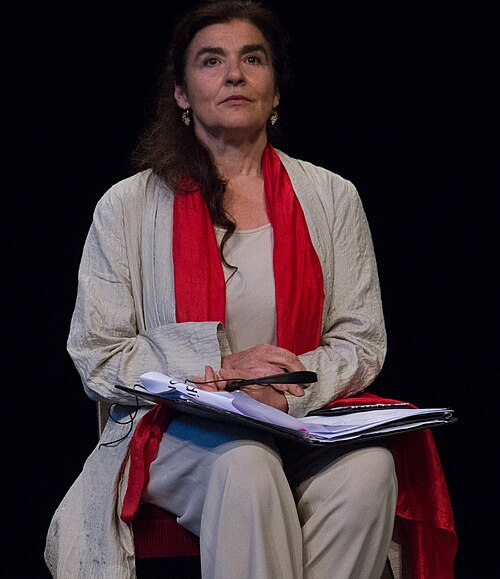
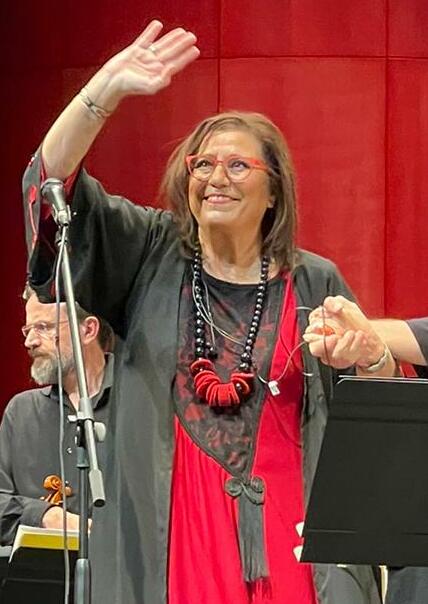
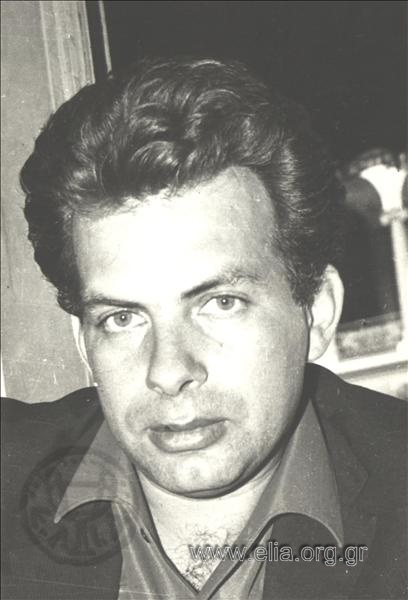
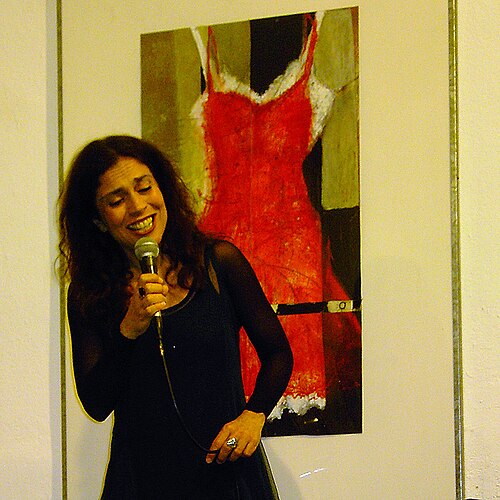
Frida Liappa was born in Messini in 1948. She entered the University of Athens in 1965 to study literature and became active in student politics. In 1968, under the military dictatorship, she was arrested and imprisoned; her conviction also led to her removal from the university. Her formation joined literary interests, political experience and a close engagement with films.
In 1972, she worked as script supervisor on Pantelis Voulgaris’s Το προξενιό της Άννας (Anna’s Engagement). That year she also directed Μετά σαράντα μέρες (After Forty Days). In 1973 she went to London to study cinema and returned to Greece in 1974. Further films followed, alongside criticism and work on the editorial board of Σύγχρονος Κινηματογράφος (Contemporary Cinema). Writing about film and making it developed together in her career.
Her first feature appeared in 1981, followed by features in 1986 and 1991. Television provided another field of work, including documentaries for ERT. Her 1985 portrait of Alki Zei follows the writer’s recollections and relationship with her books. Liappa also wrote poetry and prose. She died in 1994, leaving a body of work whose different forms should be considered together, beyond the feature films alone.
Works

Μια ζωή σε θυμάμαι να φεύγεις (I Remember You Leaving All the Time, 1977) follows a left-wing journalist and an actor who has left the theatre in post-dictatorship Athens. Its forty-four minutes connect an intimate relationship with political disappointment and artistic uncertainty. The Greek Film Archive describes a generation of women professionals negotiating both public commitments and personal lives.
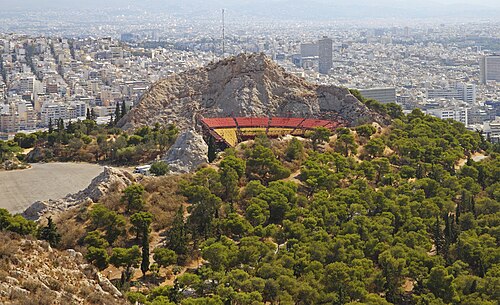
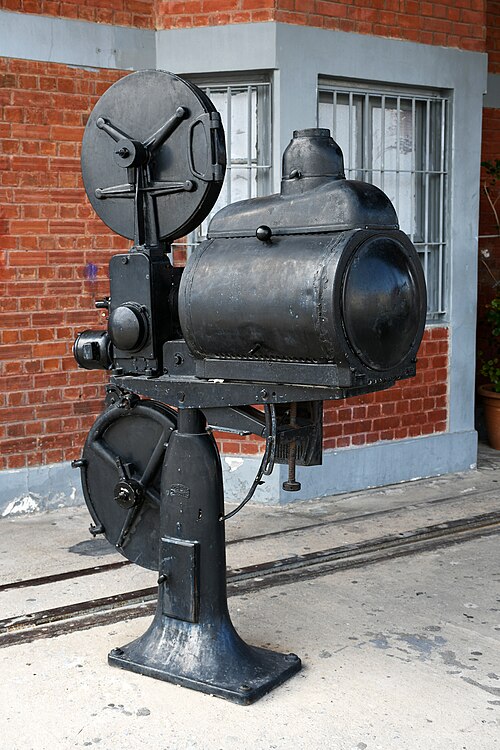
Οι δρόμοι της αγάπης είναι νυχτερινοί (The Ways of Love Are Nocturnal, 1981) centres on two sisters and their returning cousin. An apartment overlooking an open-air cinema links enclosed domestic space with another screen. In a contemporary interview, Liappa explains that she left some dreams as spoken narration rather than turning them into pictures. Her discussion of poetic and realistic elements concerns the actual language and delivery of Greek dialogue.
Ήταν ένας ήσυχος θάνατος (It Was a Quiet Death, 1986) and Τα χρόνια της μεγάλης ζέστης (The Years of the Great Heat, 1991) complete her feature-film work. Her documentaries require a different kind of attention. In Γυναικεία πορτραίτα: Άλκη Ζέη (Women’s Portraits: Alki Zei, 1985), memories of childhood and wartime theatre meet an account of writing. Literature becomes a lived practice discussed by its author, rather than merely material for adaptation.
Legacy in Greece today
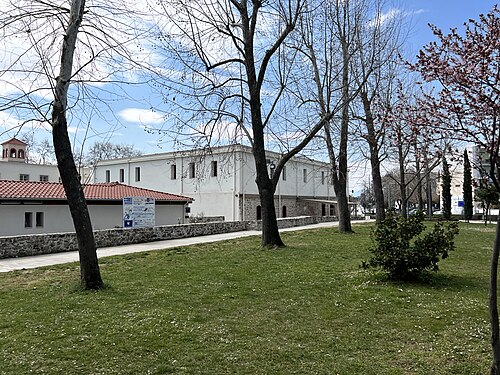
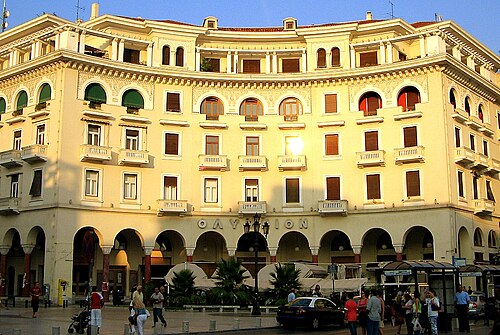
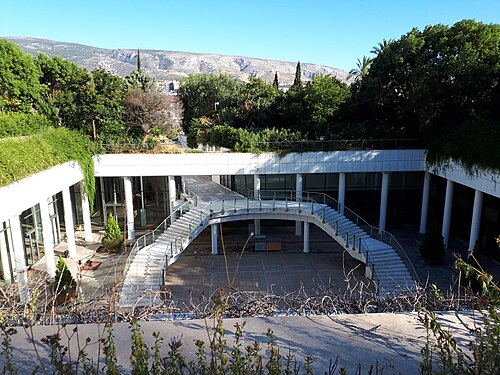
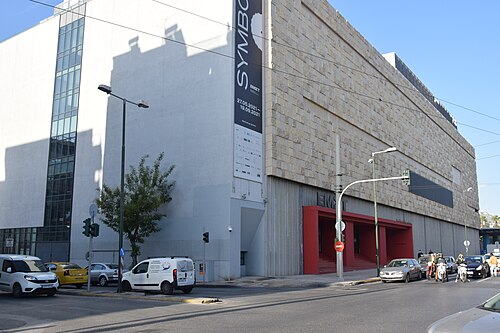
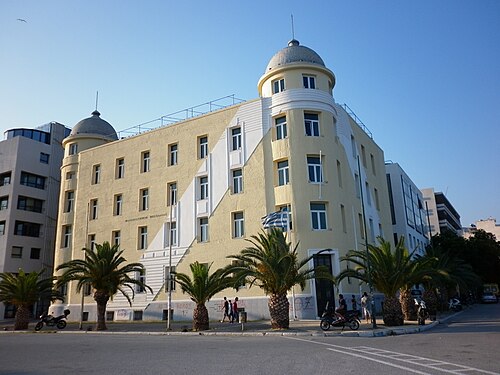
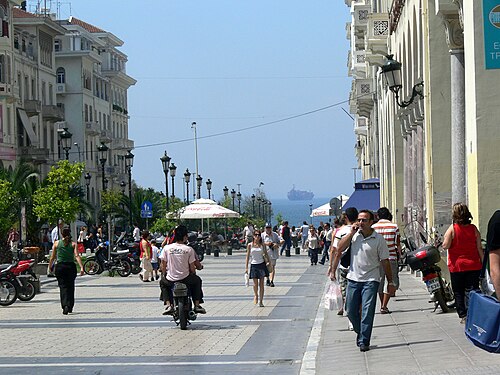
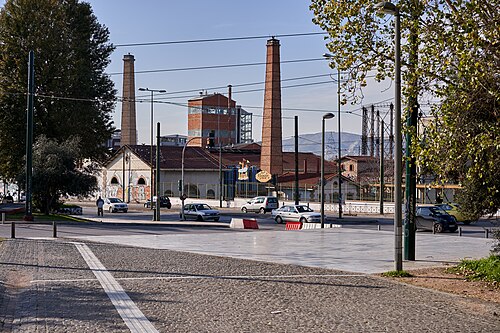
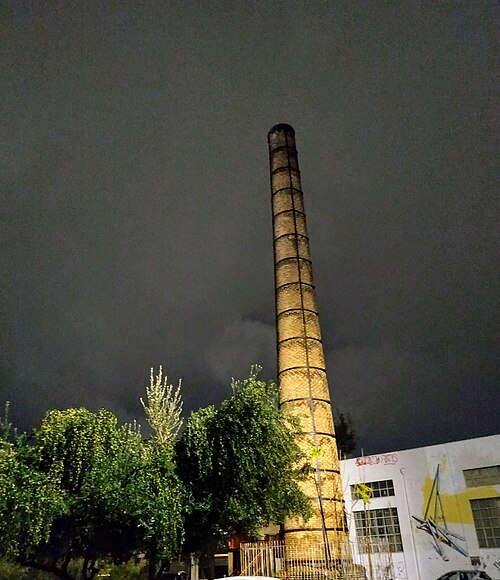
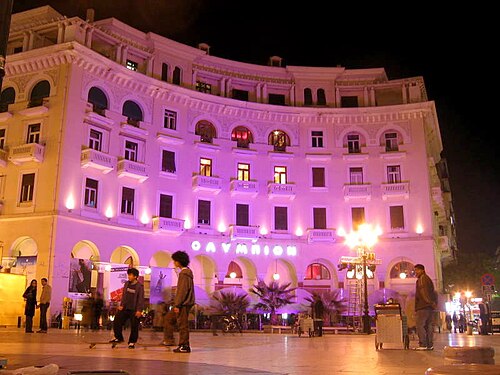
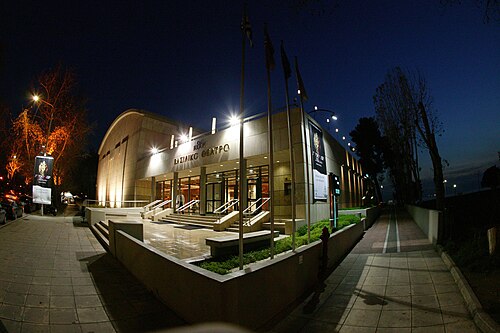
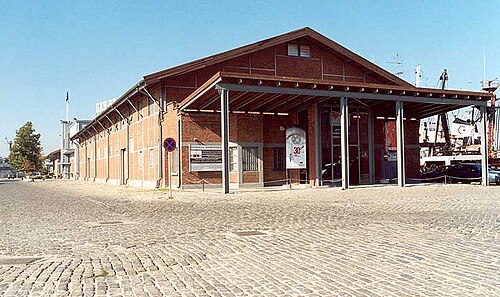
A cinema hall in Thessaloniki’s Warehouse D bears Liappa’s name. Preservation also keeps her films available for renewed study: the Greek Film Archive’s restoration of Μια ζωή σε θυμάμαι να φεύγεις offers a 4K digital version, while ERT documents her television work.
For a supported B1 activity, open ERT’s Γυναικεία πορτραίτα: Άλκη Ζέη. Listen to a short passage with language help and identify one childhood memory and one point about writing. The archive’s Greek description supplies context. Then tell your own memory using three prompts: πού, “where”; με ποιον, “with whom”; τι έκανα, “what I did”. The adapted reading models this task. Liappa’s poetic feature dialogue remains a separate, more demanding listening experience.
Did you know?
- She worked as script supervisor on Anna’s Engagement in 1972.
- The restored 1977 film lasts 44 minutes; its length should not be confused with a full feature.
- Her 1985 ERT portrait of Alki Zei connects childhood memories with the making of books.
Key works
| Greek title | Title | Year |
|---|---|---|
| Μετά σαράντα μέρες | After Forty Days | 1972 |
| Μια ζωή σε θυμάμαι να φεύγεις | I Remember You Leaving All the Time | 1977 |
| Απεταξάμην | I Have Renounced | 1980 |
| Οι δρόμοι της αγάπης είναι νυχτερινοί | The Ways of Love Are Nocturnal | 1981 |
| Ήταν ένας ήσυχος θάνατος | It Was a Quiet Death | 1986 |
| Τα χρόνια της μεγάλης ζέστης | The Years of the Great Heat | 1991 |
A line to remember
ποιητικά και ρεαλιστικά στοιχεία συνυπάρχουν
poiitiká kai realistiká stoicheía synypárchoun
Poetic and realistic elements coexist.