Life
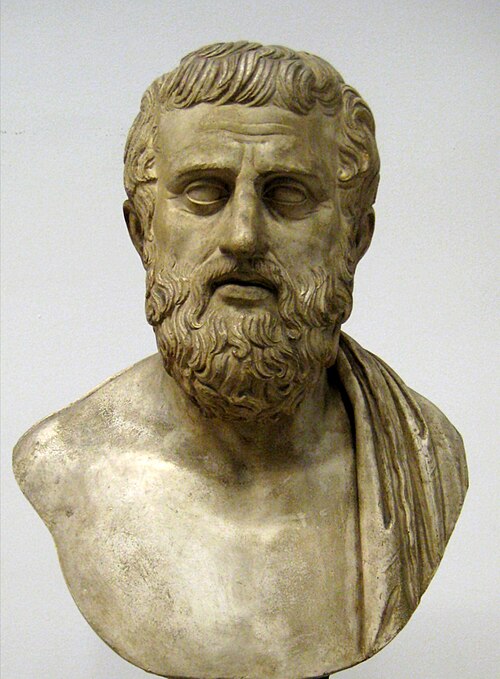
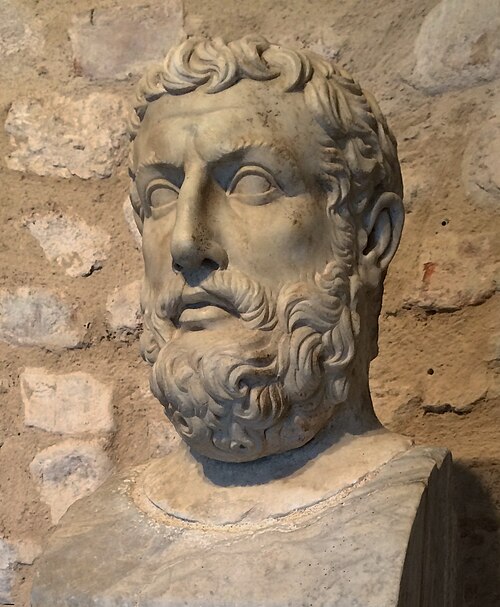
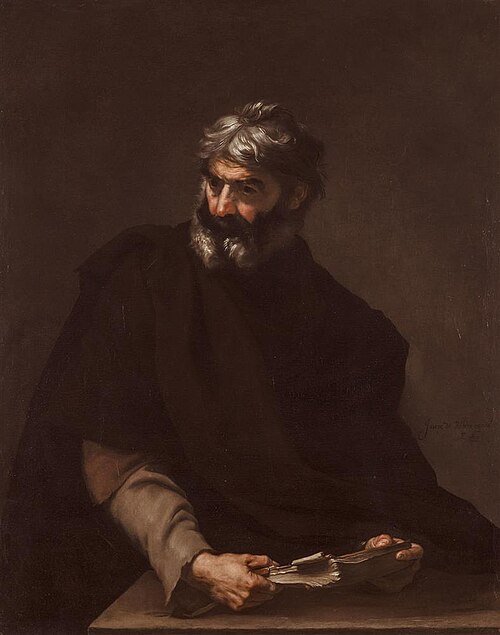
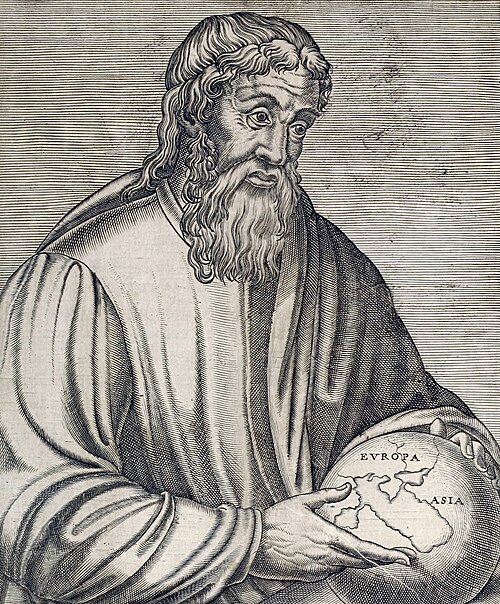
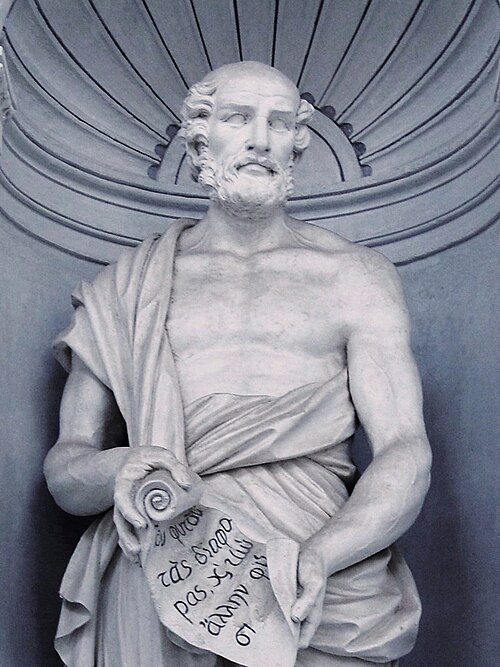
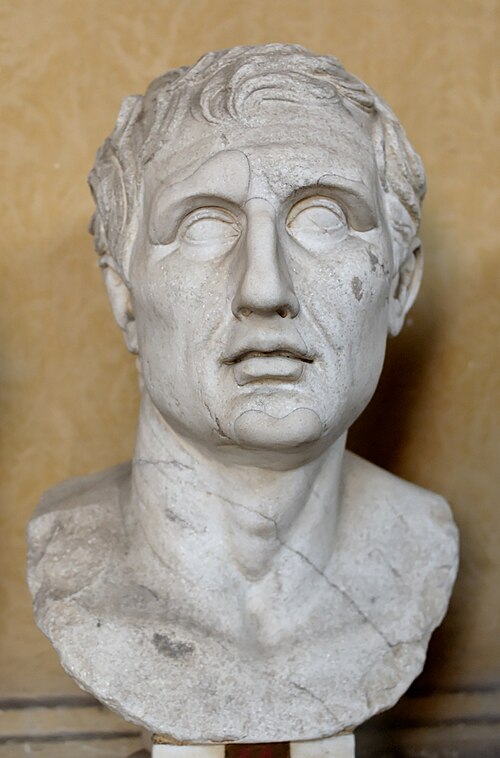
Menander was an Athenian playwright of the late fourth and early third centuries BC. His precise birth and death years are debated within a small range, so approximate dates are preferable. He worked during the unsettled period following Alexander's expansion, when Athens experienced changing Macedonian influence and political arrangements. His comedy is often contrasted with the public political attacks of Aristophanes, but domestic stories still belong to a society with unequal wealth, citizenship and legal status.
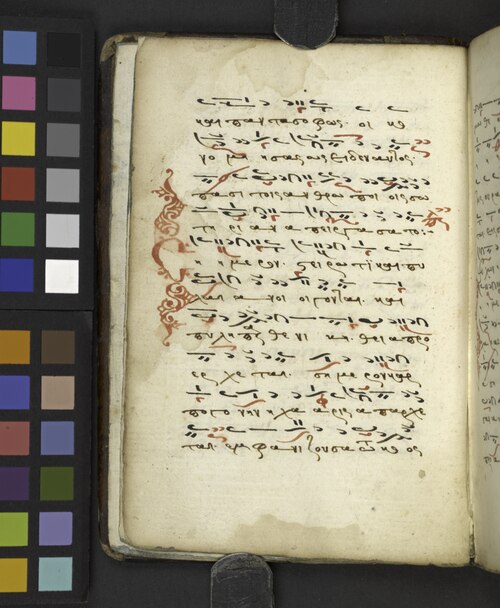
Ancient notices connect him with teachers and prominent contemporaries, yet these are later biographical traditions, not a complete personal record. The firm theatrical landmark is Dyskolos, which won at the Lenaea in 316 BC. Menander wrote many more plays than survive. Their subsequent popularity is visible in quotations, Roman comic adaptations and copies found in Egypt. An ancient copy is not the author's own manuscript: the Bodmer codex was written centuries after his lifetime. His modern recovery is therefore also a history of reading damaged pages, identifying speakers and distinguishing an ancient performance date from the much later dates when papyri were copied, recovered or published.
Works

Dyskolos is the only virtually complete surviving comedy by Menander. Its difficult central figure, Knemon, rejects contact with other people; an accident exposes his dependence on them. The quotation is spoken by Pan about Knemon in the prologue, not a personal statement by the playwright about himself. The play's humour works through encounters, failed approaches and changes in understanding, not through an isolated proverb alone.
Samia, Epitrepontes and Aspis survive in substantial but incomplete portions. Their plots involve disputed assumptions, family relationships, recognition and arguments over people or property. They are genuine Menander plays, while their individual original production dates are not securely fixed here. The table therefore places the dated Dyskolos first and labels the others undated, without inventing a precise chronological development. Egyptian papyri transformed access to this material. The Bodmer codex contains Dyskolos, Samia and Aspis; Dyskolos was first published in 1958, and substantial new material from Samia and Aspis in 1969. Those are modern publication dates, not ancient premieres or automatically the dates of excavation. Missing lines still matter. Modern readers should keep character speech, editorial reconstruction and the surviving Greek text distinct rather than silently filling every gap.
Legacy in Greece today
Use a Menander scene as a prompt for a short Modern Greek dialogue about a misunderstanding. One speaker thinks a neighbour is δύσκολος; the other asks Τι εννοείς; and Δεν κατάλαβα, μπορείς να εξηγήσεις; Write six original lines, then change one assumption so the conversation ends differently. Compare the ancient ἄνθρωπος with άνθρωπος, and notice that δύσκολος can describe a difficult person as well as a difficult task. Finally label Pan as the speaker of the quotation. You practise clarification, character adjectives and who says what, while the B 1 level applies to the graded Modern Greek passage, not unaided reading of the ancient comedy.
Did you know?
- He was an Athenian writer of New Comedy.
- Dyskolos won at the Lenaea in 316 BC.
- The Bodmer Menander codex contains three plays.
- Modern papyrus publications are not ancient performance dates.
Key works
| Greek title | Title | Year |
|---|---|---|
| Δύσκολος | Dyskolos — The Grouch | 316 BC |
| Σαμία | Samia — The Woman from Samos | late 4th–early 3rd c. BC (undated) |
| Ἐπιτρέποντες | Epitrepontes — Arbitration | late 4th–early 3rd c. BC (undated) |
| Ἀσπίς | Aspis — The Shield | late 4th–early 3rd c. BC (undated) |
A line to remember
ἀπάνθρωπός τις ἄνθρωπος σφόδρα
In today's GreekΈνας άνθρωπος πάρα πολύ αντικοινωνικός.
apanthropos tis anthropos sphodra
A very unsociable sort of human being.