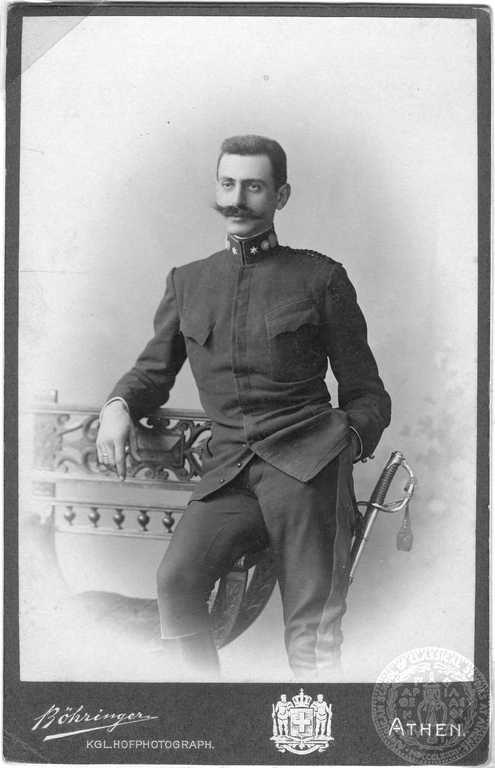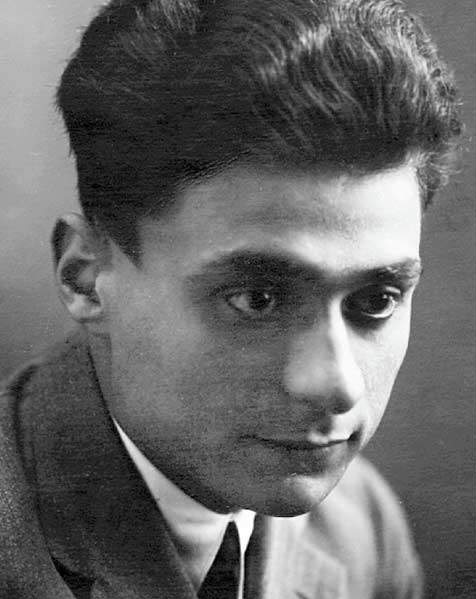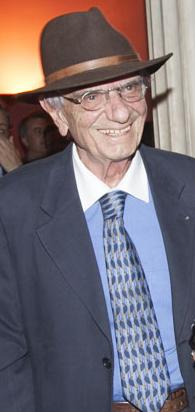
Life
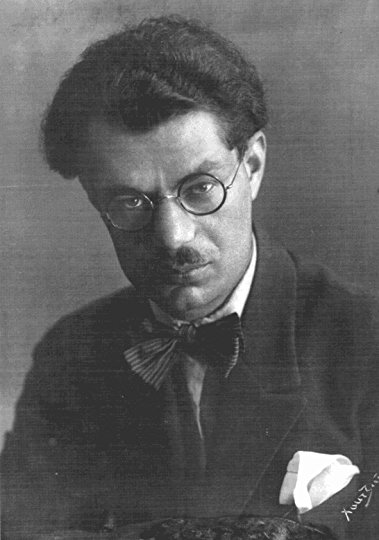
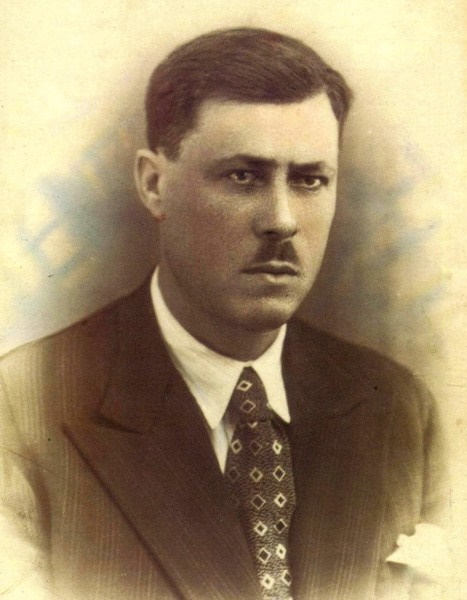
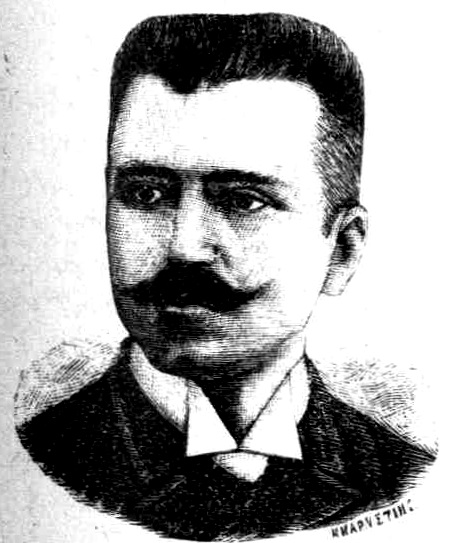
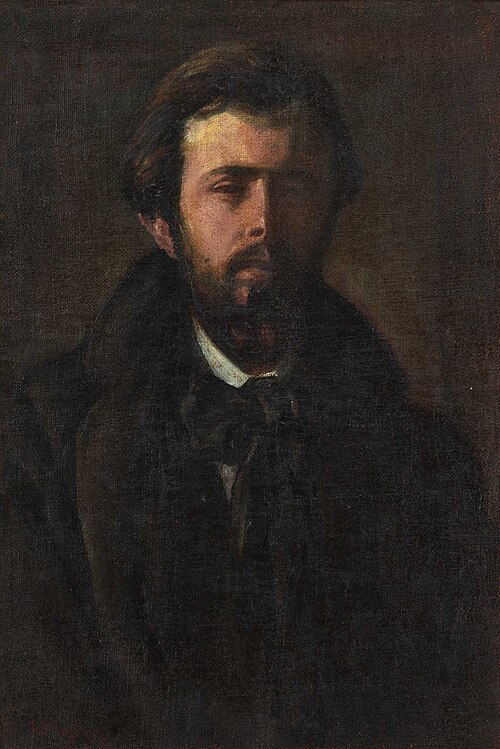
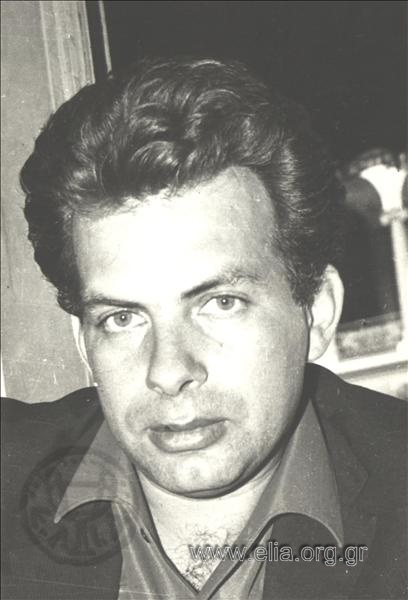
Papaloukas studied at the Athens School of Fine Arts before continuing in Paris from 1917 to 1921. There he encountered modern painting, including post-Impressionist approaches to colour and form. He returned to join the Asia Minor campaign as a war artist. His pictures were exhibited at the Zappeion in 1922; much of that wartime production was subsequently lost in the destruction of Smyrna.
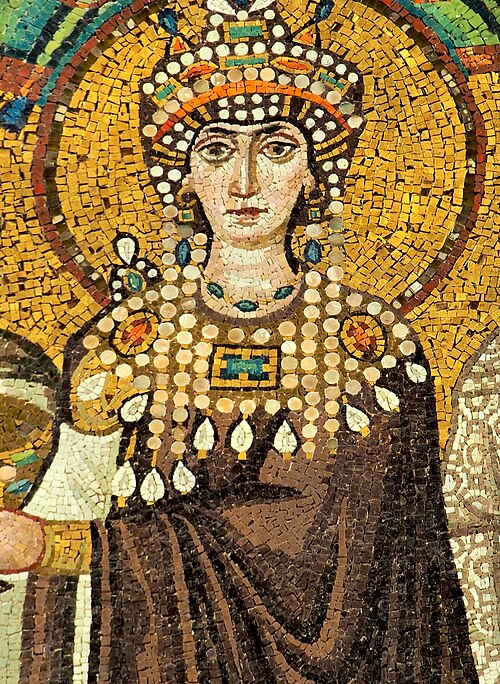
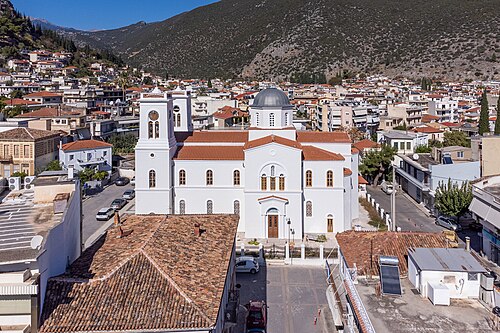
His stay on Mount Athos in 1923–1924 became decisive. Alongside painting landscapes, monasteries and harbours, he studied Byzantine murals, icons and manuscripts. These encounters informed a personal language rather than a simple return to older models. He decorated the Evangelistria cathedral in Amfissa from 1927 to 1932. Teaching and public responsibilities extended his influence beyond the studio: he taught drawing at the National Technical University from 1943 to 1951 and became a painting professor at the School of Fine Arts in 1956. With Stratis Doukas, Nikos Hadjikyriakos-Ghika, Dimitris Pikionis and Sokratis Karantinos, he also contributed to the magazine To Trito Mati in 1935–1937. His career joined close observation of Greek places with sustained attention to international artistic developments.
Works

The guest quarters at Lavra Monastery, painted in 1924, belong to his important Athos period. Boy with Suspenders, dated 1925 by the National Gallery, places the human figure within the same exploration of colour and structure. The Evangelistria decoration in Amfissa, 1927–1932, carried his encounter with Byzantine art into a large architectural setting. Preparatory drawings and studies helped him organise the relationship between individual images and the church interior.
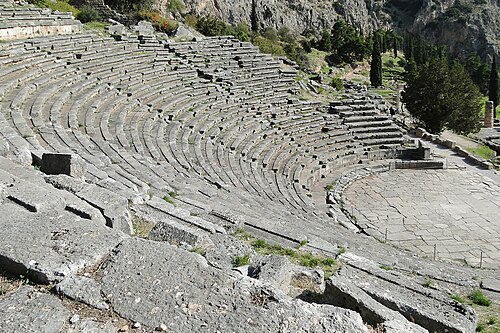
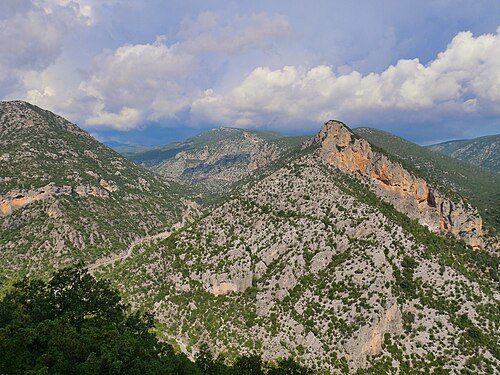
Houses in Kypriadis, 1938, and Landscape from Delphi, 1945, show the continuing importance of inhabited landscapes. Buildings, slopes and vegetation become relationships of shapes and colours rather than a neutral inventory of a location. Vase of Flowers (dark colours), 1956, brings this attention into a still life. The subject can be modest while the arrangement remains demanding. His statement about painting’s material means directs attention to what a painting does through colour, line and organisation. It makes looking an active process: viewers can compare neighbouring tones, follow a brushstroke and notice how a familiar object gains presence. These works span easel painting and monumental church decoration without reducing either to an illustration of the other.
Legacy in Greece today
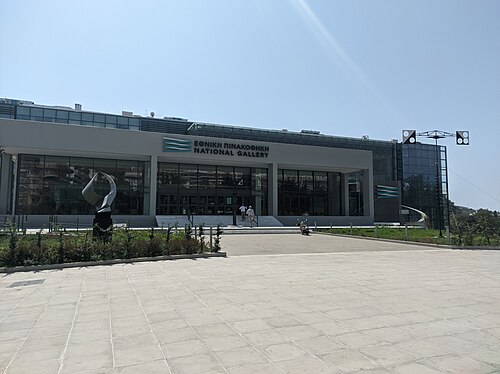
Papaloukas helped shape twentieth-century Greek painting through the meeting of Byzantine visual traditions and modern colour research. The National Gallery’s retrospective in 1976 brought his work to a later public. Greek museum descriptions and the short statement quoted here give learners a language for discussing what they see.
Make two blue swatches on your own paper and mix a little white into the second. Use the supplied model «Το δεύτερο μπλε είναι πιο φωτεινό από το πρώτο». Then choose a warm and a cool colour and describe them in Greek. Here θερμός and ψυχρός describe colour relationships, not measured temperature. B1 concerns this supported Modern Greek comparison activity, with adjectives, painting verbs and a reason for a personal choice.
Did you know?
- He studied Byzantine art on Mount Athos in 1923–1924.
- His Evangelistria church decoration in Amfissa dates from 1927–1932.
- The National Gallery held a retrospective in 1976.
Key works
| Greek title | Title | Year |
|---|---|---|
| Αρχονταρίκι Λαύρας Αγ. Όρους | Guest Quarters at Lavra Monastery on Mount Athos | 1924 |
| Αγόρι με τιράντες | Boy with Suspenders | 1925 |
| Ευαγγελίστρια Άμφισσας — τοιχογράφηση | Evangelistria, Amfissa — church decoration | 1927–1932 |
| Σπίτια στου Κυπριάδη | Houses in Kypriadis | 1938 |
| Τοπίο Δελφών | Landscape from Delphi | 1945 |
| Βάζο με λουλούδια (σκούρα χρώματα) | Vase of Flowers (dark colours) | 1956 |
A line to remember
η ζωγραφική πρέπει να συγκινεί με τα υλικά της μέσα και όχι με το θέμα
i zografikí prépei na sygkiní me ta yliká tis mésa kai óchi me to théma
Painting should move us through its material means, not through its subject.