Life
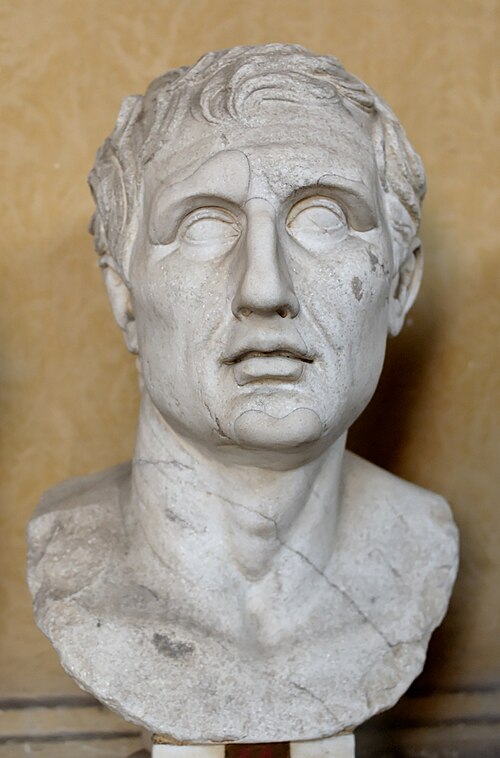
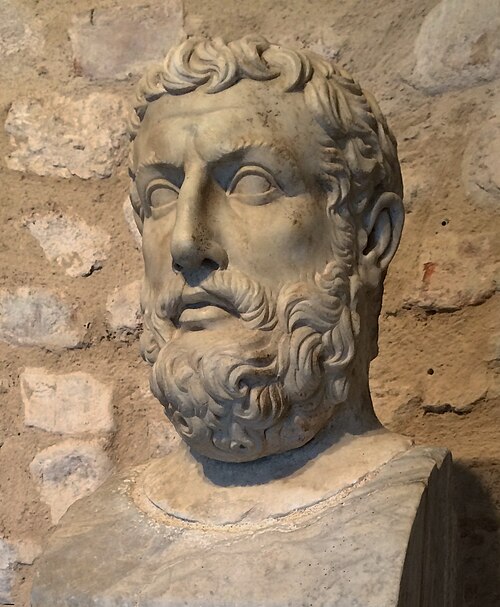
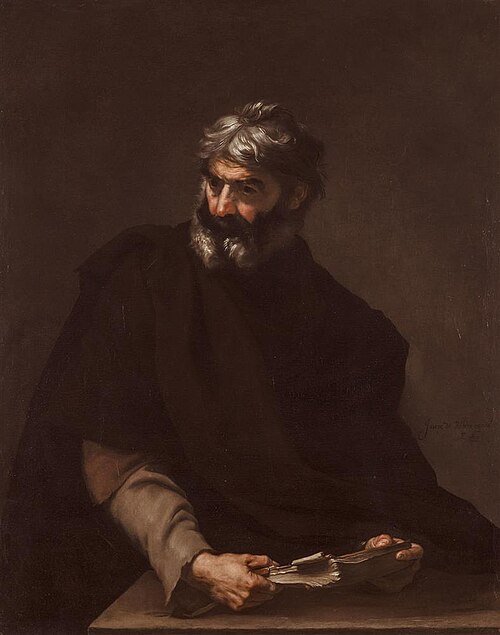
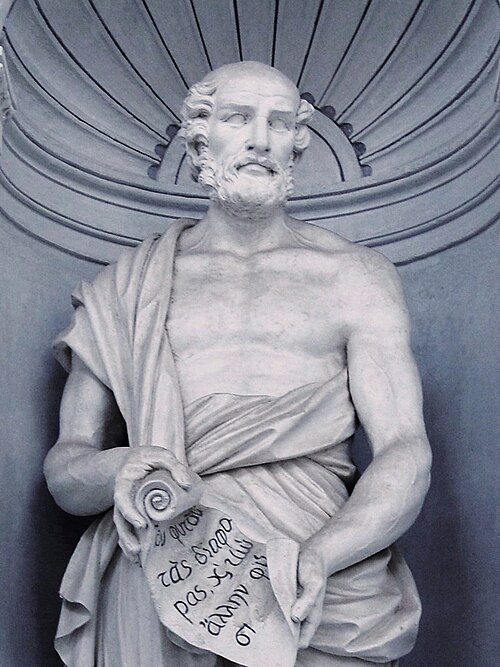
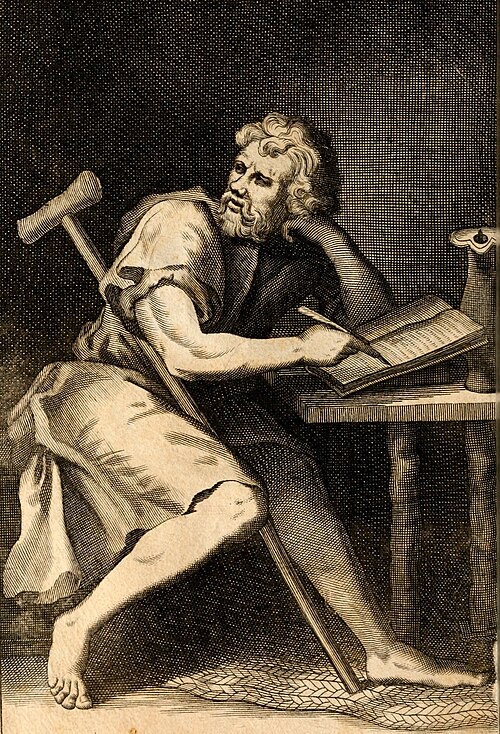
Epictetus was born around AD 55 in Hierapolis, a Greek city in Asia Minor, near present-day Pamukkale in Turkey. He spent part of his life enslaved in Rome in the household of Epaphroditus, a powerful figure associated with Nero’s court. We do not know precisely when he arrived there or how his education began. He studied with the Stoic teacher Musonius Rufus, and eventually obtained his freedom. Ancient accounts say that he walked with a disability, but disagree about its cause; the familiar story of a master deliberately breaking his leg is not secure biography.
After philosophers were expelled under Domitian, around AD 89, Epictetus moved to Nicopolis in Epirus. There he established a school and taught students who included Arrian, later a historian and Roman administrator. Nicopolis was a provincial city connected to the wider imperial world, not an isolated retreat. The surviving discussions belong to his mature teaching in the early second century. He died around AD 135. The outline is clearer than the details: anecdotes should not conceal how little independent evidence survives. His movement from slavery to teaching nevertheless gives particular force to his repeated questions about what freedom really means.
Works

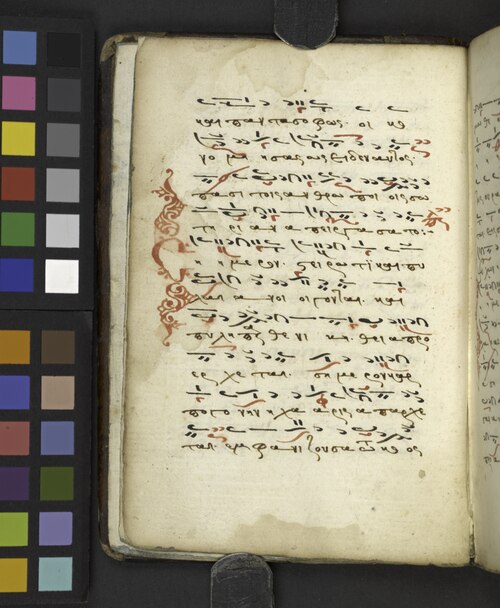
The texts associated with Epictetus come to us principally through Arrian. The Discourses preserve forceful conversations, challenges and examples rather than a neatly ordered textbook. Four books survive from a larger ancient collection. The Encheiridion, usually translated as Handbook or Manual, compresses the teaching into short reminders. Its brevity makes it approachable, but detached sentences can conceal the reasoning found in the longer discussions. These are records and selections of his teaching, not a shelf of separate books demonstrably written by his own hand.
A central distinction concerns what is up to us and what is not. Judgments, intentions and the use we make of impressions belong to our moral agency; possessions, status and outcomes do not lie entirely within our power. This is not permission to abandon other people. Epictetus asks students to fulfil relationships and responsibilities while examining their own responses. The capacity for moral choice, prohairesis, is therefore crucial. His examples repeatedly bring philosophy back to illness, anger, family life and ambition. Learning requires practice as well as argument. The work rows below identify two transmitted texts and two teaching themes, rather than inventing additional titles for this oral teacher.
Legacy in Greece today
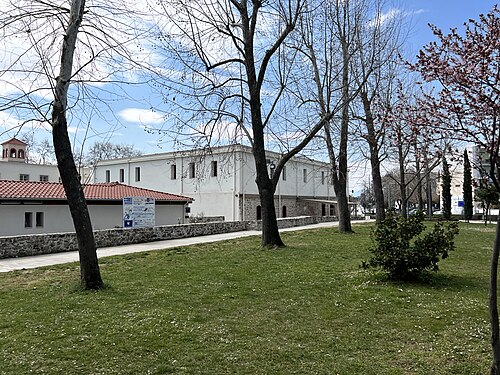
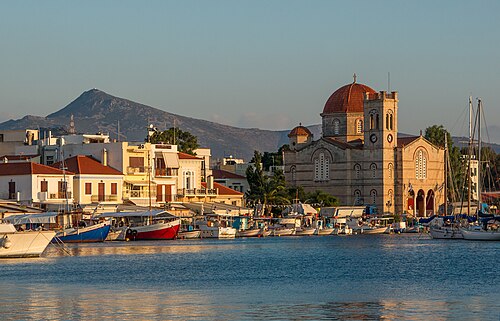
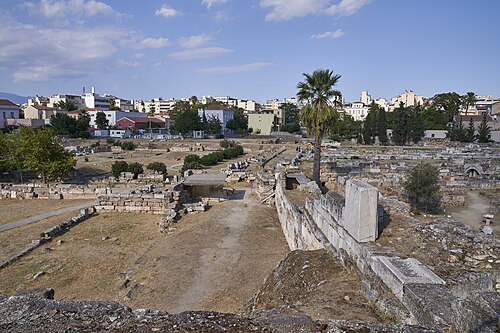
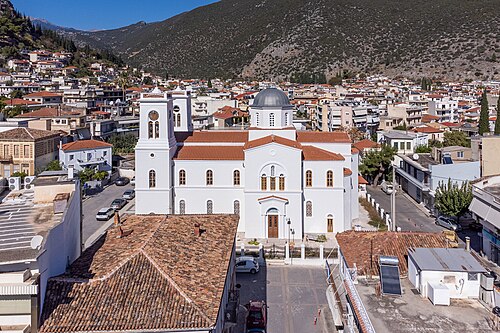
Epictetus connects Greek philosophy with a real place in today’s Greece: Nicopolis, near Preveza. A visit to its archaeological site can place his teaching in the Roman-period city where it developed, without pretending that a particular surviving room was his classroom. His books also remain available in Greek editions.
For a language exercise, compare the ancient ἐφ’ ἡμῖν with the modern εξαρτάται από εμάς, “depends on us.” Then read the B1 passage and write two sentences about today’s choices using μπορώ να and επιλέγω να. This turns an abstract question about freedom into useful Greek for plans and responsibility. Reading the short quotation beside its modern rendering also shows continuity without confusing ancient and modern grammar.
Did you know?
- Arrian, his pupil, is the main transmitter of his teaching.
- Four books of the Discourses survive from a larger collection.
- Ancient sources disagree about the cause of his physical disability.
Key works
| Greek title | Title | Year |
|---|---|---|
| Διατριβαί (καταγραφή Αρριανού) | Discourses: teachings recorded by Arrian | Early 2nd century AD |
| Ἐγχειρίδιον (σύνοψη Αρριανού) | Handbook: Arrian’s short compilation | Early 2nd century AD |
| Προαίρεσις (θέμα διδασκαλίας) | Moral choice: a central teaching theme | Early 2nd century AD |
| Χρῆσις τῶν φαντασιῶν (θέμα διδασκαλίας) | Using impressions: a central teaching theme | Early 2nd century AD |
A line to remember
τῶν ὄντων τὰ μέν ἐστιν ἐφ' ἡμῖν, τὰ δὲ οὐκ ἐφ' ἡμῖν.
In today's GreekΑπό τα πράγματα, άλλα εξαρτώνται από εμάς και άλλα δεν εξαρτώνται από εμάς.
tōn ontōn ta men estin eph’ hēmin, ta de ouk eph’ hēmin
Of the things that exist, some are up to us and others are not.