Life
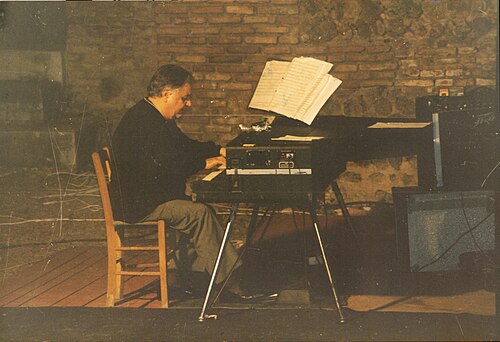
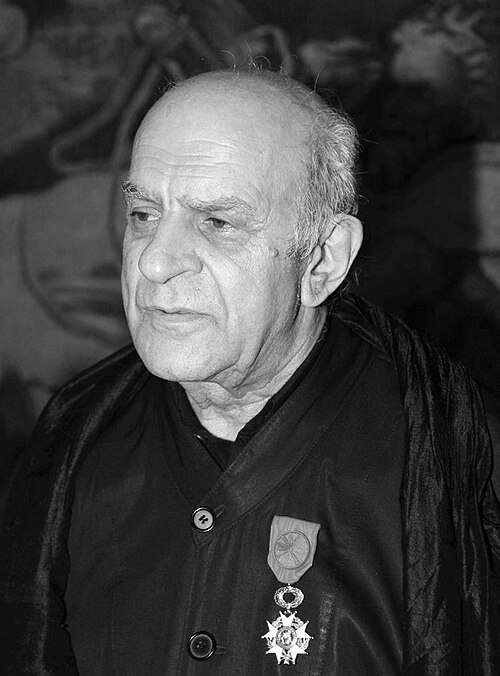
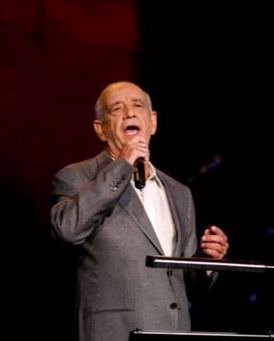
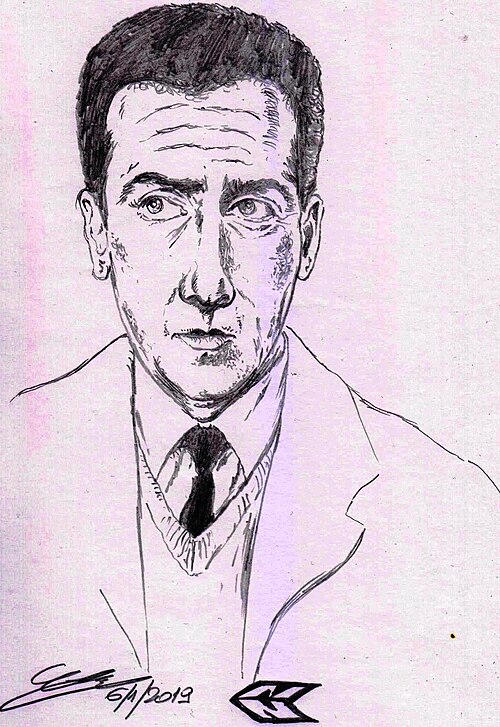
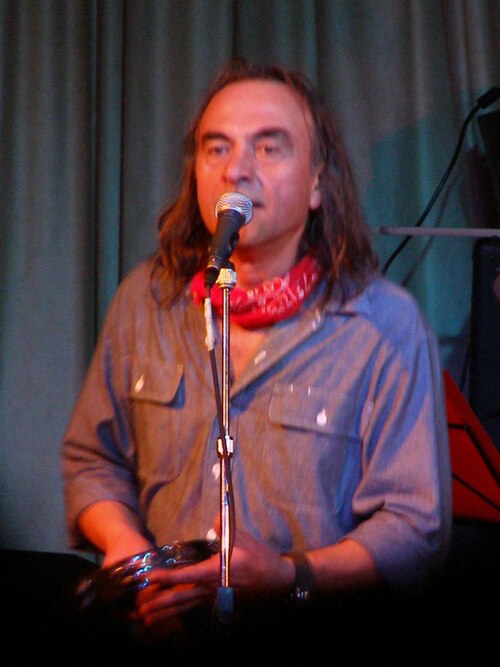
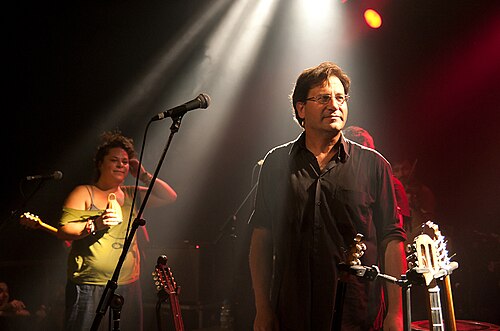
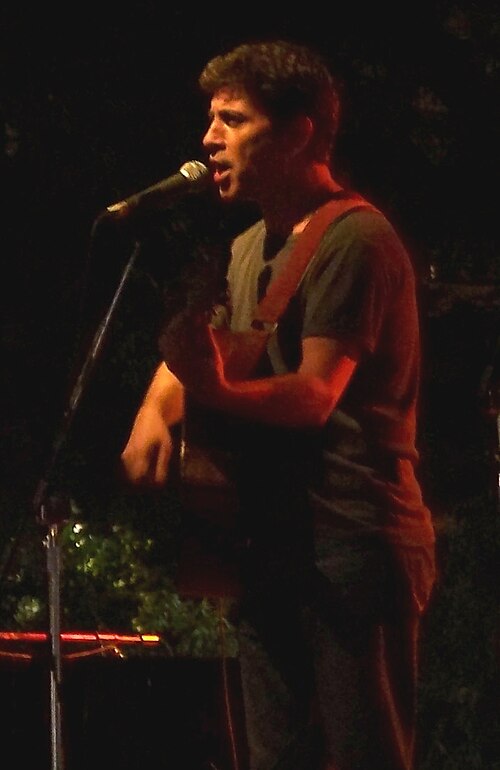
Sokratis Malamas was born in Sykia, Chalkidiki, in 1957. His early life included time in Germany, and his musical education included conservatory study. Before becoming known for his own songs, he worked as a guitarist in Greek popular-music venues and joined Nikos Papazoglou's band. Papazoglou also helped bring his writing onto record, recording his first album at the Agrotikon studio. Ασπρόμαυρες ιστορίες (Black-and-White Stories) appeared in 1989, followed by Παραμύθια (Fairy Tales) in 1991. The move from accompanying another singer to presenting his own material did not end his work with other voices.
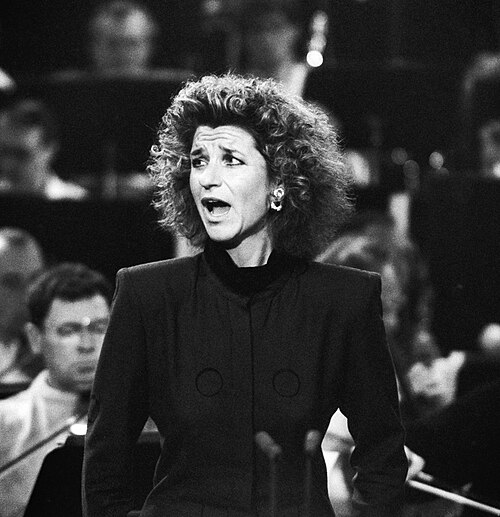
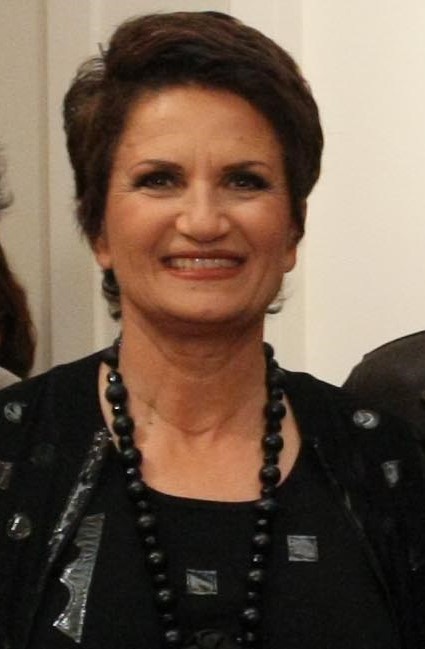
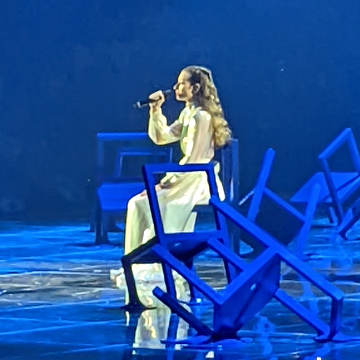
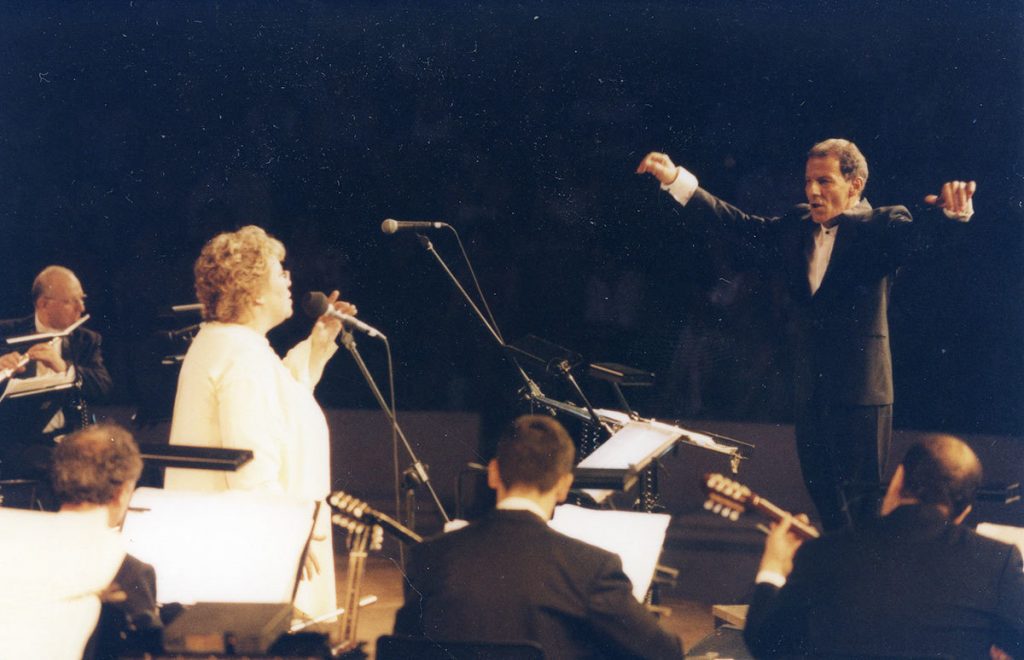
In 1996, ERT's Μουσικά Πορτραίτα (Musical Portraits), presented by Anna Vlavianou, documented his memories, influences and performances alongside Melina Kana. His later records included Ο φύλακας κι ο βασιλιάς (The Guard and the King, 2000). Κάτοπτρα (Mirrors, 2017) brought together several lyricists and guest singers, including Natassa Bofiliou and Eleonora Zouganeli. The following year, Με στόμα που γελά (With a Mouth That Smiles) renewed his collaboration with Thanasis Papakonstantinou: Malamas sang twelve pieces, while Papakonstantinou sang one. Across these projects, he continued to work both as a songwriter and as an interpreter of music written by others.
Works

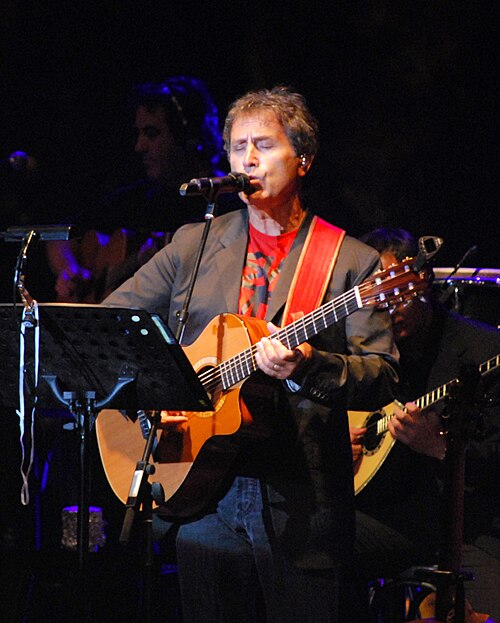
Malamas's music moves between the inward scale of the ballad, Greek popular song and the energy of rock. The guitar is part of that continuity: an instrument for accompaniment, composition and public performance. His records also distinguish roles that listeners can easily confuse. He can write a song, compose music for somebody else's words, or sing another songwriter's work. On Κάτοπτρα (Mirrors, 2017), several lyricists and guest voices contribute to the result. On Με στόμα που γελά (With a Mouth That Smiles, 2018), his role is principally that of interpreter of Papakonstantinou's material.
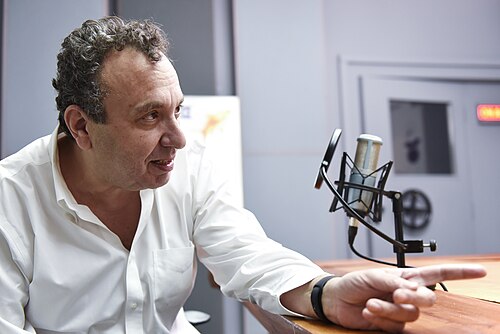
Πριγκηπέσα (Princess), from Ο φύλακας κι ο βασιλιάς (The Guard and the King, 2000), became a song performed by many other singers. In his 2011 e-tetRadio interview, he welcomed that circulation, explaining that he himself sings works by earlier Greek songwriters. His brief answer about songs belonging to everyone concerns this shared musical life. Another title, Πάμε να φύγουμε (Let's Leave), from Παραμύθια (Fairy Tales), opens a different route into his writing. Its invitation uses a pattern that works in ordinary conversation too. The official artist-channel recording lets learners connect those three written words with a sung voice before trying their own invitations.
Legacy in Greece today
Malamas's official channel makes his recorded repertoire easy to identify by Greek title. Find Sokratis Malamas Official on YouTube and choose Πάμε να φύγουμε – Official Audio Release, from Παραμύθια (Fairy Tales). Listen for the three title words and say them after the singer. Then keep Πάμε να and change the action: Πάμε να ακούσουμε μουσική (Let's listen to music) or Πάμε να περπατήσουμε (Let's go for a walk). Say one invitation to a friend and choose what you will do together. These new examples are everyday phrases created for the exercise. Recognising a short sung invitation is a useful first step; the complete song needs more vocabulary and listening support.
Did you know?
- Nikos Papazoglou recorded his debut at Agrotikon.
- ERT's Musical Portraits about him was produced in 1996.
- The 2017 album Mirrors contains fourteen songs with several lyricists and guest singers.
Key works
| Greek title | Title | Year |
|---|---|---|
| Ασπρόμαυρες ιστορίες | Black-and-White Stories | 1989 |
| Παραμύθια | Fairy Tales | 1991 |
| Ο φύλακας κι ο βασιλιάς | The Guard and the King | 2000 |
| Κάτοπτρα | Mirrors | 2017 |
| Με στόμα που γελά | With a Mouth That Smiles | 2018 |
A line to remember
Τα τραγούδια είναι όλων.
Ta tragoúdia íne ólon.
Songs belong to everyone.