Life
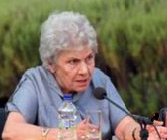
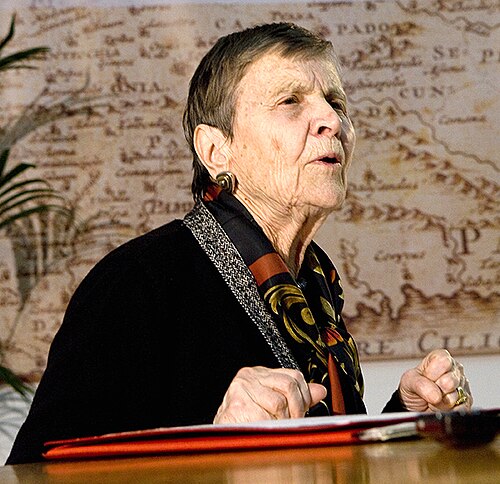
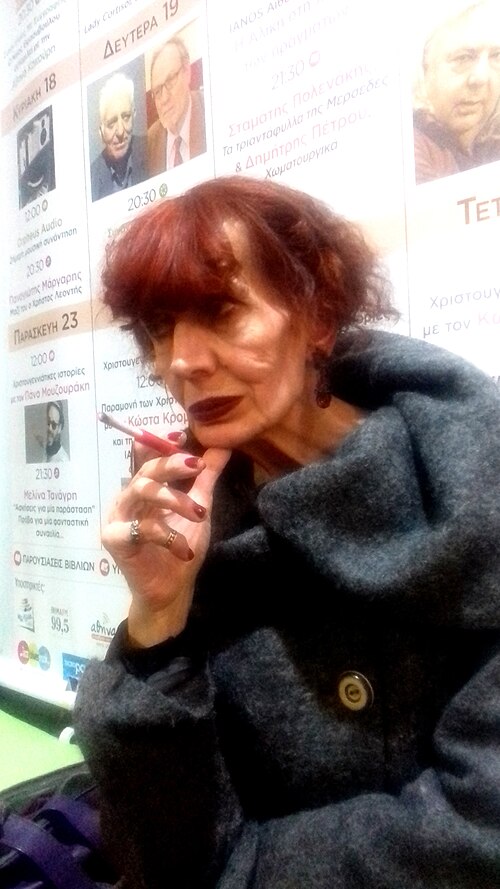
Rea Galanaki, also written Rhea Galanaki, was born in Heraklion in 1947. She left Crete for Athens in 1965 and studied history and archaeology at the University of Athens, graduating in 1971. Her first publications appeared in periodicals associated with opposition to the military dictatorship. She later became a founding member of the Society of Writers, participating in the literary community as well as building her own body of work.
Poetry came before the novels: Πλην εύχαρις (Except Gracious) appeared in 1975 and Τα ορυκτά (The Minerals) in 1979. Short prose and stories followed. Her first novel, Ο βίος του Ισμαήλ Φερίκ πασά (The Life of Ismail Ferik Pasha), appeared in 1989 and became part of UNESCO's Collection of Representative Works in 1994. Its crossing between Crete and Egypt introduced an enduring concern: how a life can belong to more than one historical world.
Her subsequent career has moved among novels, stories, poetry and essays. Ελένη, ή ο Κανένας (Eleni, or Nobody) received the State Novel Prize in 1999; her short fiction received another State Literary Award in 2005. The Grand Prize for Letters in the 2023 State Literary Awards recognised her overall contribution to literature.
Works

Galanaki gives historical research the shape of a voice rather than a simple chronological account. In Ο βίος του Ισμαήλ Φερίκ πασά (The Life of Ismail Ferik Pasha, 1989), a Cretan taken away as a child returns as an Egyptian military commander. Departure and return make belonging unstable: the same island can be remembered as home and approached through the role of an outsider.
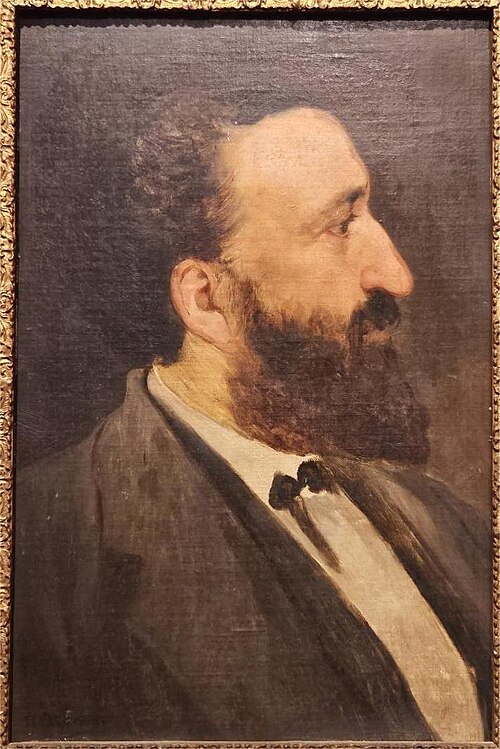
Θα υπογράφω Λουί (I Shall Sign as Louis, 1993) revisits the nineteenth-century figure Andreas Rigopoulos. Ελένη, ή ο Κανένας (Eleni, or Nobody, 1998) draws on the painter Eleni Boukoura-Altamoura, who studied in Italy disguised as a man. Gaps in a surviving life become room for fictional narration. Ο Αιώνας των Λαβυρίνθων (The Century of Labyrinths, 2002) expands her engagement with Cretan history.
The setting moves to contemporary Athens in Η Άκρα Ταπείνωση (The Extreme Humiliation, 2015), where two women become lost during the demonstrations of 12 February 2012. Εμμανουήλ και Αικατερίνη (Emmanouil and Aikaterini, 2022) builds a novel from photographs, oral accounts and family memory. Across these different scales, documents give the stories a historical foothold while imagined voices explore what a record leaves unsaid.
Legacy in Greece today
Galanaki offers a route from Greek historical vocabulary to the everyday question of who is telling a story. The Greek Language Centre includes material on The Life of Ismail Ferik Pasha in its school anthology resources. Start with the accompanying Greek introduction or summary and locate Crete, Egypt, departure and return. Make a small timeline with πριν, όταν and ύστερα. Then write two original sentences about the return, first as αυτός and then as εγώ, changing the verbs as needed. Compare how the speaker's position changes the account. The B2 passage here supports this Modern Greek practice; a complete Galanaki novel calls for longer reading and help with literary language.
Did you know?
- Poetry preceded her first novel by fourteen years.
- Her first novel joined UNESCO's Collection of Representative Works in 1994.
- Eleni, or Nobody centres on a woman painter who studied disguised as a man.
- The 2023 Grand Prize for Letters honoured her overall literary contribution.
Key works
| Greek title | Title | Year |
|---|---|---|
| Ο βίος του Ισμαήλ Φερίκ πασά | The Life of Ismail Ferik Pasha | 1989 |
| Θα υπογράφω Λουί | I Shall Sign as Louis | 1993 |
| Ελένη, ή ο Κανένας | Eleni, or Nobody | 1998 |
| Ο Αιώνας των Λαβυρίνθων | The Century of Labyrinths | 2002 |
| Η Άκρα Ταπείνωση | The Extreme Humiliation | 2015 |
| Εμμανουήλ και Αικατερίνη | Emmanouil and Aikaterini | 2022 |
A line to remember
Η τέχνη είναι ένα παιχνίδι μεταμφιέσεων
I techni einai ena paichnidi metamfieseon
Art is a game of disguises.