Life
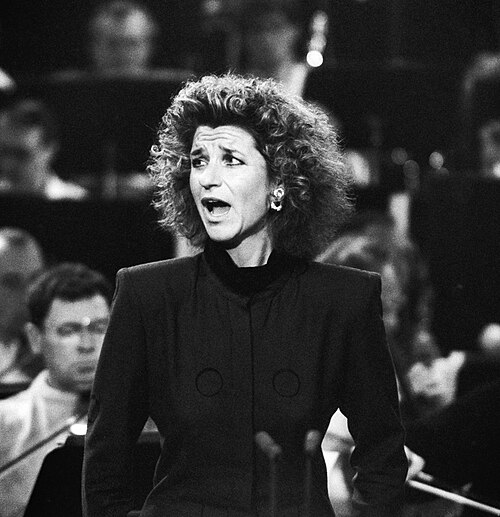
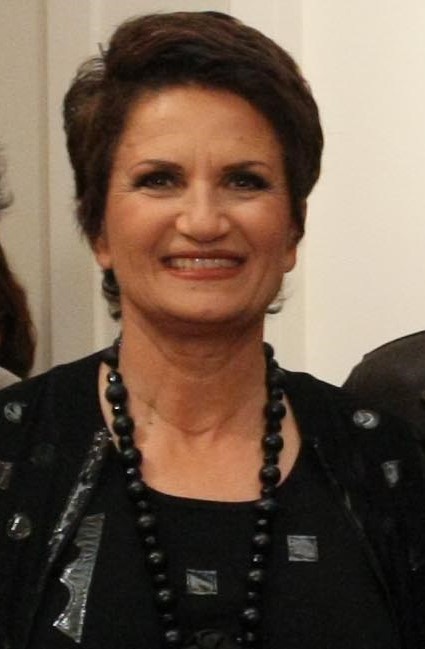
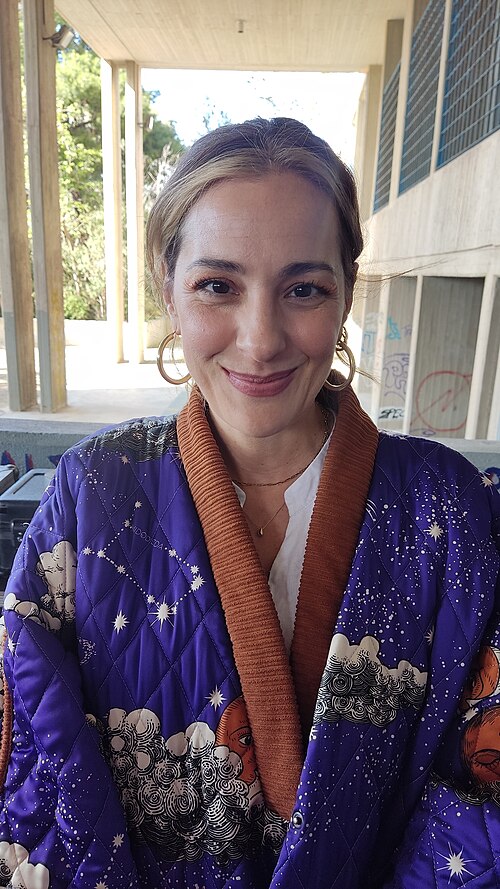
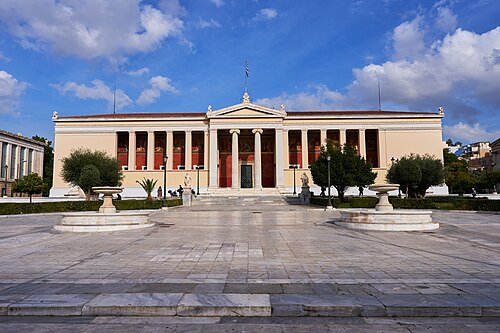
Ioulita Iliopoulou was born in Athens. She studied Byzantine and Modern Greek philology at the University of Athens and theatre at the Athens Conservatoire’s drama school. Her first poetry collection, Καλούς ενιαυτούς Μάρκο (Good Years, Marko), appeared in 1987, followed by Δίγαμμα (Digamma) in 1992. These books established a poetic practice that continued alongside writing for performance.
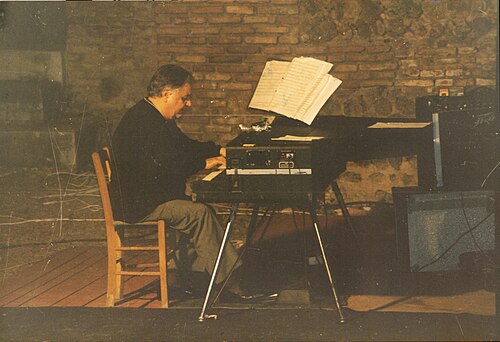
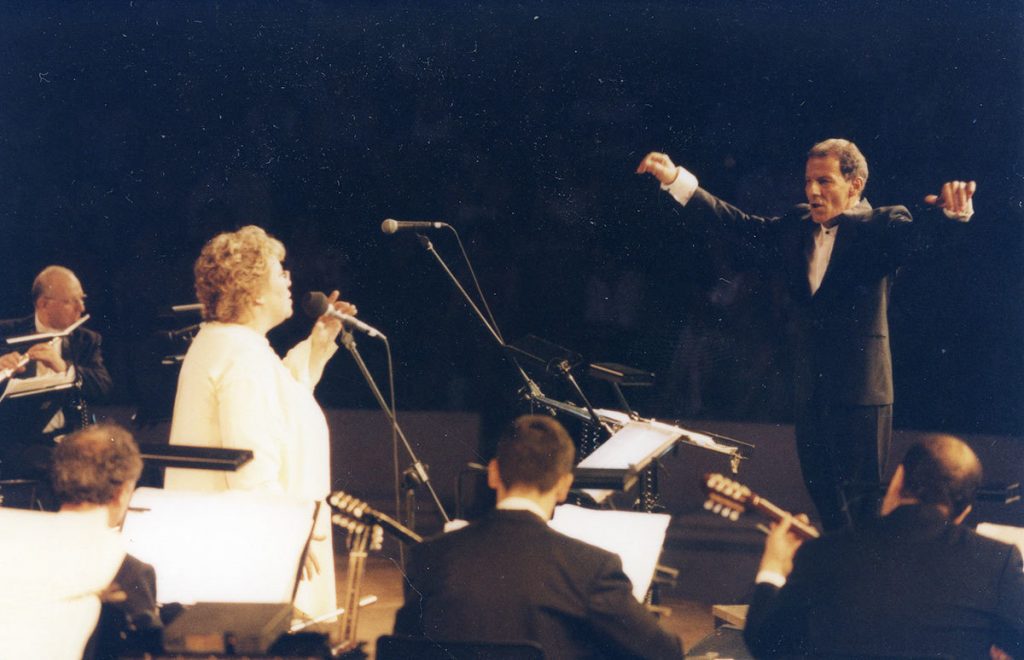
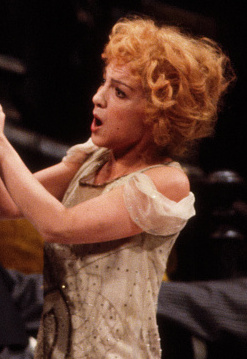
She developed programmes combining words and music with the Orchestra of Colours and the Melina Mercouri Foundation. Collaboration with composer Giorgos Kouroupos produced texts for musical theatre, including Ιοκάστη (Jocasta), presented in 2002. She adapted Stefan Zweig’s novella as the libretto Λεπορέλλα (Leporella) for the Greek National Opera’s 2020 production. She supplied the dramatic words, while Kouroupos wrote the music.
Writing for children forms another substantial strand. Μα πότε θα φτάσει αυτός ο Μάγος; (But When Will This Magus Arrive?) was published in 2017 with illustrations by Yannis Kottis and music by Kouroupos. Poetry continued with The Mosaic of Night in 2018 and Γη μήτηρ (Earth Mother) in 2023. She has also translated, edited books and spoken publicly about Odysseas Elytis. Her own poetry, dramatic texts and children’s books give that wider cultural activity a distinct creative voice.
Works

Iliopoulou works with the sound and shape of language across several forms. A poem concentrates images and feeling; a libretto gives words to voices, dramatic situations and musical time. The poetry collection Earth Mother is an elegiac sequence concerned with the bond between mother and daughter, memory and absence. Its compact form differs from the public exchange of the theatre.
Jocasta revisits the tragic queen through a text written for Kouroupos’s music. Leporella moves to a different fictional world, adapting Zweig for an opera performed in Greek. These collaborations place her writing inside a shared work of composition, performance and staging. The words have to carry meaning while also making room for other artists.
Her 2017 Christmas tale follows Abasal, a fourth Magus repeatedly delayed on the way to the Nativity. Meetings and unexpected events give the journey humour and suspense. Its questioning title makes waiting audible before the story begins. The publication combines her text with illustrations and a recorded musical tale. Readers can encounter narrative through eye and ear, while a learner can begin with the title’s everyday question and build a completely new dialogue.
Legacy in Greece today
Iliopoulou’s cultural contribution can be explored in poetry books, opera archives and stories for young readers. Begin a small Greek task with the title But When Will This Magus Arrive? and the adapted passage. Identify πότε, πού and γιατί, then practise the future forms θα φτάσει and θα φτάσω. Write your own exchange about meeting a friend, adding an afternoon or evening arrival time. Read the two roles aloud, changing your tone to express impatience and a calm reply. The exercise connects her theatrical interest in the spoken word with useful everyday Greek. A2 describes this supported practice; full poems and performances may require additional support.
Did you know?
- Studied Greek philology and theatre in Athens.
- Wrote the text of Jocasta, set to music by Giorgos Kouroupos and presented in 2002.
- The 2017 Magus story combines her text, Yannis Kottis’s illustrations and Kouroupos’s music.
- Earth Mother was published in 2023.
Key works
| Greek title | Title | Year |
|---|---|---|
| Καλούς ενιαυτούς Μάρκο | Good Years, Marko | 1987 |
| Δίγαμμα | Digamma | 1992 |
| Ιοκάστη | Jocasta (text for musical theatre) | 2002 |
| Μα πότε θα φτάσει αυτός ο Μάγος; | But When Will This Magus Arrive? | 2017 |
| Το ψηφιδωτό της νύχτας | The Mosaic of Night | 2018 |
| Γη μήτηρ | Earth Mother | 2023 |
A line to remember
Το στοίχημα είναι να μιλήσει κανείς στα παιδιά με ακρίβεια αλλά και χάρη.
To stíchima íne na milísi kanís sta paidiá me akrívia allá kai chári.
The challenge is to speak to children with precision as well as grace.