Life
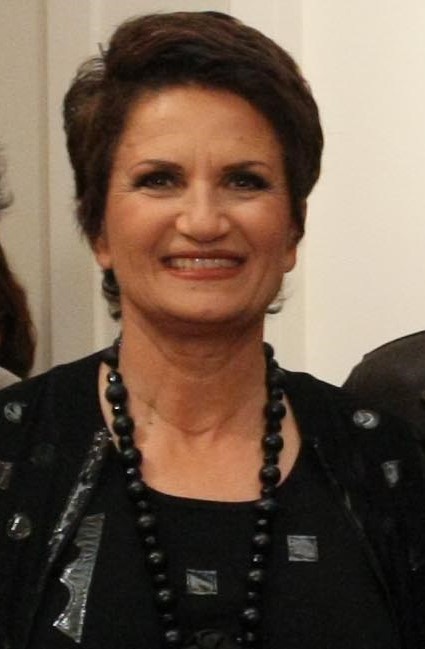
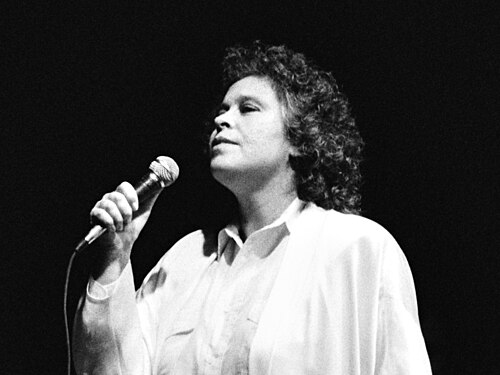
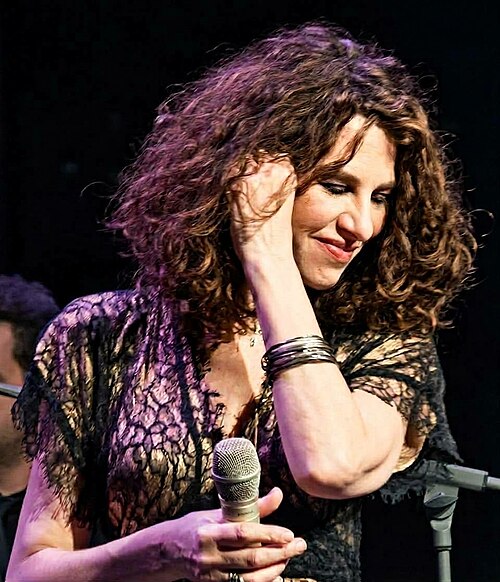
Anna Vissi was born in the Larnaca area of Cyprus in 1957 and began musical studies as a child. In 1973 she moved to Athens and entered the Greek recording world. Early work alongside Giorgos Dalaras and Haris Alexiou placed her within the popular song culture of the period. Her career therefore began before the pop image with which many listeners now associate her. Cyprus remained part of her public musical identity even as Athens became the centre of her professional life.
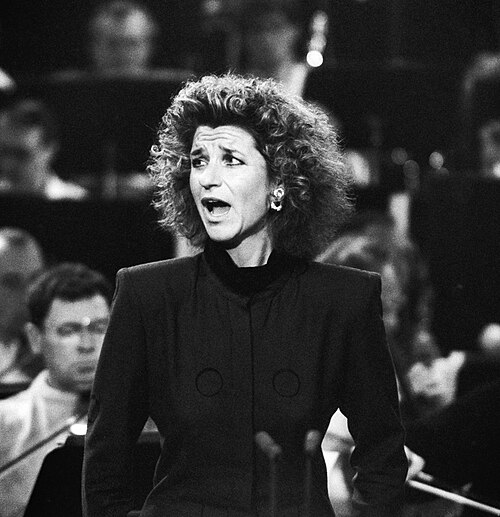
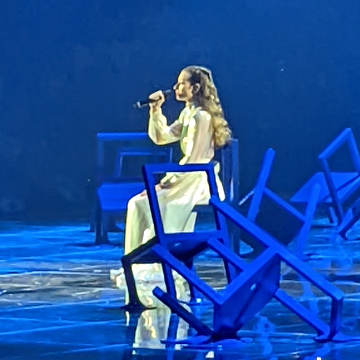
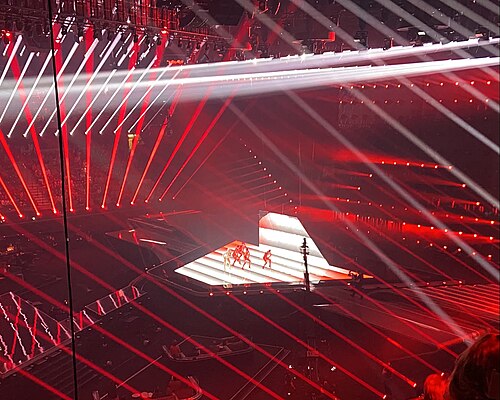
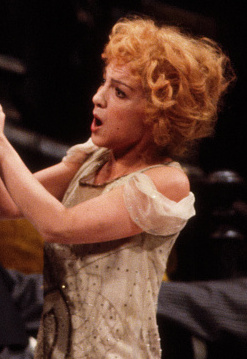
Eurovision provides three clear landmarks. In 1980 she represented Greece with the group Epikouri and Ωτοστόπ (Hitchhiking). In 1982 she represented Cyprus with Μόνο η αγάπη (Only Love), finishing fifth. In 2006 she returned for Greece with Everything, which finished ninth in Athens. Between these appearances she developed a long collaboration with songwriter Nikos Karvelas, whose music also took her into theatre. In 1991 she starred in the rock opera Δαίμονες (Demons). These different settings help explain a career built around recordings and the live stage together: a television song contest, a theatrical character and an evening with a concert audience ask different things of the same singer.
Works

Vissi’s work brings together the intimacy of a song and the scale of a staged show. The early Eurovision entry Ωτοστόπ (Hitchhiking) presents a bright, outward-looking musical world; Μόνο η αγάπη (Only Love) offers a slower point of comparison. Listen to the contrast in pace and vocal emphasis before trying to understand every word. The Greek titles themselves provide useful language: μόνο means “only”, while αγάπη is the everyday noun for “love”. A title can become a small, memorable language lesson without reproducing an entire lyric.
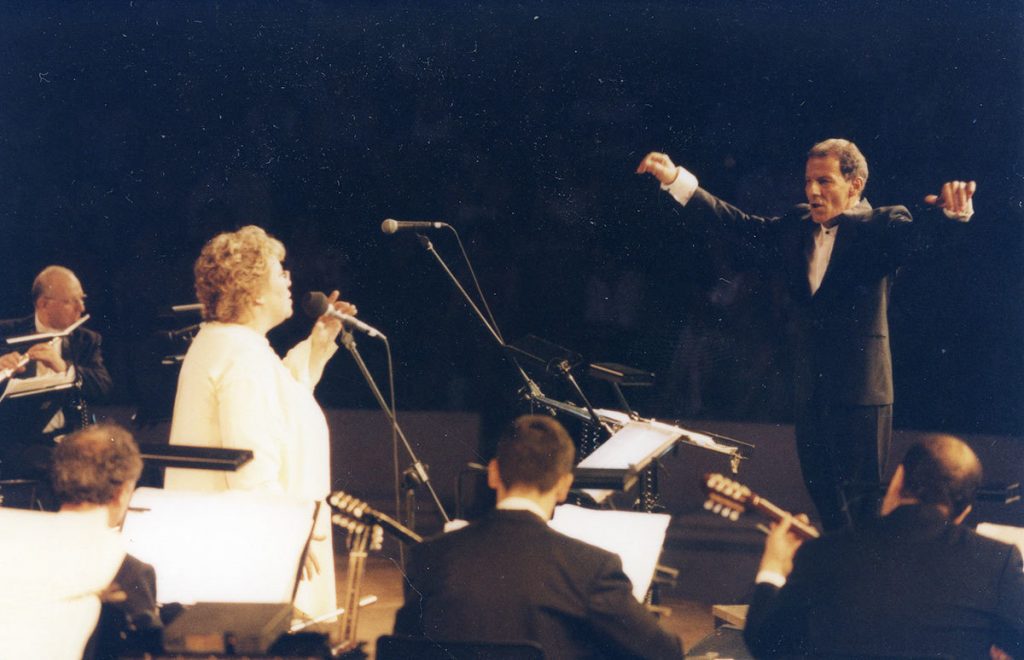
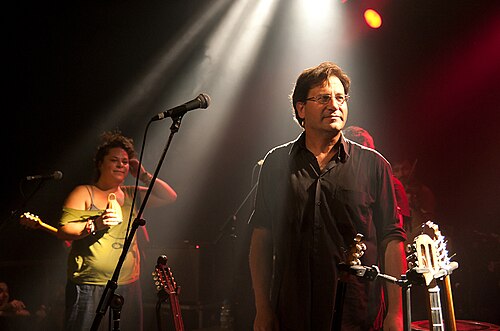
Her collaboration with Karvelas opened another space in Δαίμονες (Demons), a rock opera first staged in 1991. A theatrical role asks a singer to sustain a character through movement, dramatic exchanges and music. Her concert work likewise treats songs as parts of a longer evening, with musicians, changing moods and audience participation. Everything, her 2006 Eurovision entry, is in English; it demonstrates a different part of her repertoire but cannot substitute for Greek listening practice. Comparing it with a Greek recording helps separate musical familiarity from language comprehension. Across these settings, the useful question is how a performer makes a short phrase clear, urgent or tender through rhythm and the sound of her voice.
Legacy in Greece today
Vissi offers a route into the Greek heard outside a classroom: short emotional phrases, repeated titles and the shared listening of a concert. Her career also makes the connection between Cyprus and Greece audible without treating the two places as identical. For a practical activity, open the official Eurovision performance of Μόνο η αγάπη. First identify the two title words by ear, then note when they return; there is no need to copy the lyrics. Read the short Greek biography on this page afterwards and retell the three contest appearances with χώρα, Ελλάδα, Κύπρος and τραγούδι. Finally compare the Greek performance with Everything: knowing a tune and understanding Greek are different achievements.
Did you know?
- She represented two countries at Eurovision: Greece and Cyprus.
- The official 1982 Eurovision archive spells her name Anna Vishy.
- Her rock-opera work in Demons began in 1991, between her second and third Eurovision appearances.
Key works
| Greek title | Title | Year |
|---|---|---|
| Ωτοστόπ | Hitchhiking | 1980 |
| Μόνο η αγάπη | Only Love | 1982 |
| Δαίμονες | Demons — rock opera | 1991 |
| Everything | Everything | 2006 |
A line to remember
Αν δεν υπήρχε η μουσική η ζωή μας θα ήταν βουβή
An den ypirche i mousiki i zoi mas tha itan vouvi
If music did not exist, our life would be silent.