Life
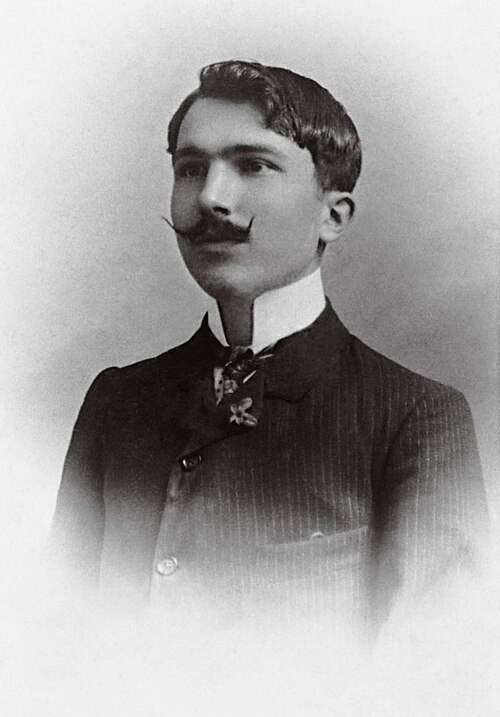
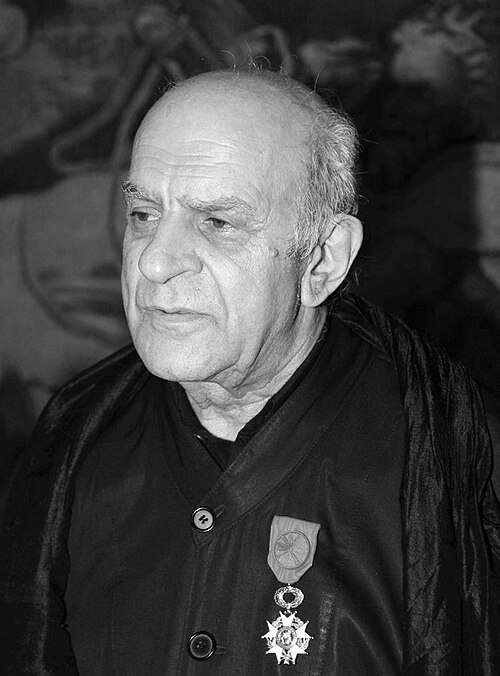
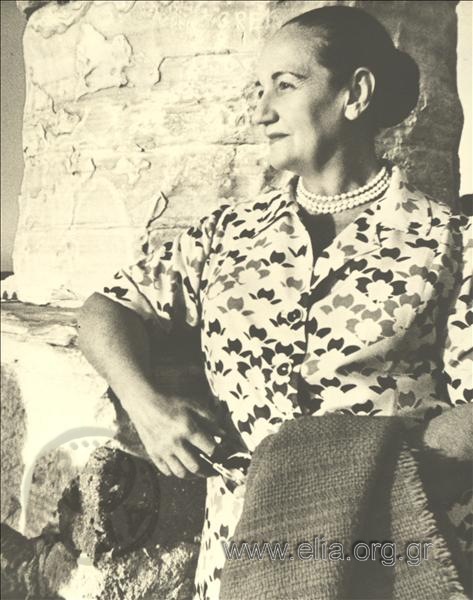
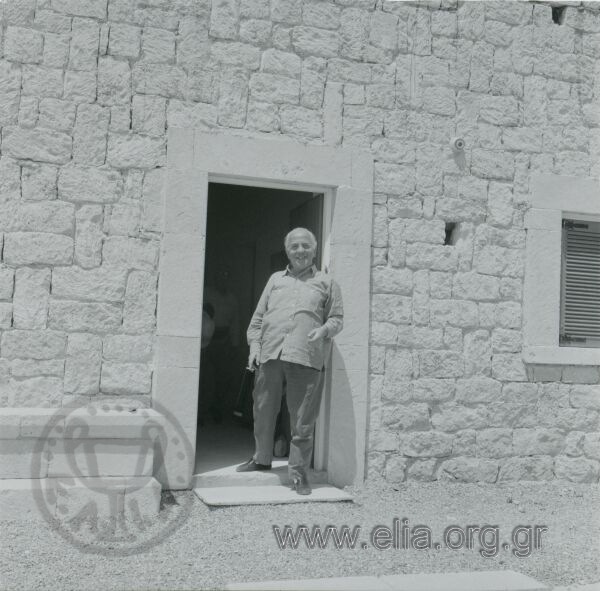
Nikos Nikolaou, also spelled Nikos Nicolaou, was born on Hydra in 1909 and moved to Athens as a child. He began his art studies in 1929 at the Athens School of Fine Arts, working with Konstantinos Parthenis and Umbertos Argyros. There he formed a lasting friendship with Yannis Moralis. In 1937 the two travelled to Rome, and further study took Nikolaou to Paris before the Second World War brought him back to Greece.
His first solo exhibition took place in Athens in 1948. He became a founding member of the Armos group and participated in international exhibitions, including São Paulo in 1957 and Venice in 1964. That same year he was elected professor at the Athens School of Fine Arts. Teaching, theatre design and murals developed alongside his easel painting.
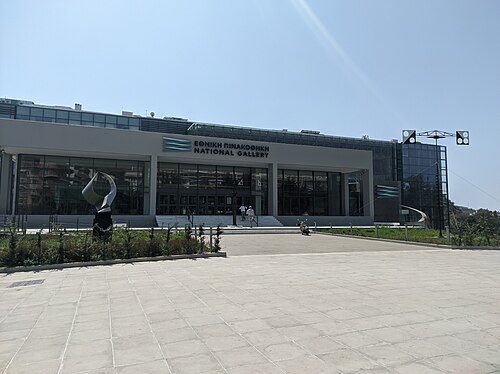
Aegina became an important home and working environment during the 1960s. Its shore, vegetation and artistic friendships accompanied his continuing study of the human figure. He died in 1986. His theoretical writings appeared that year as Η περιπέτεια της γραμμής στην Τέχνη (The Adventure of the Line in Art). The National Gallery held a retrospective in 1991, while his archive later entered the National Bank of Greece Cultural Foundation, MIET, through a donation in 2011.
Works

Nikolaou’s figures combine clear outlines, simplified forms and restrained colour. His close study of ancient Greek art, including the archaic kouros, informed a modern way of arranging bodies and space. Fig, olive and pomegranate trees appear alongside figures in his wider work. Theatre sets and costumes, as well as murals for public buildings such as Panteion, extended this visual language beyond a framed painting.
Ύδρα (Hydra, 1953) brings island architecture into the National Gallery’s collection. Σύνθεση (Composition, 1963) belongs to his sustained exploration of how figures and planes form a unified image. Προσωπογραφία άνδρα (Portrait of a Man, 1969) offers a more specific subject. Its museum label records oil on canvas and dimensions of 40 by 25 centimetres: a compact object whose title can become a simple Greek sentence about the painter’s action.
The painted Πέτρες (Stones, 1983) show another scale of experiment. A naturally rounded surface becomes a support for an image; ERT’s autobiographical documentary shows him painting sea pebbles in his Aegina studio. Η περιπέτεια της γραμμής στην Τέχνη (The Adventure of the Line in Art, 1986) brings together his thinking about artistic experience and experimentation. Across these media, drawing remains a means of discovering the relationships that hold an image together.
Legacy in Greece today
Find the National Gallery’s entry Προσωπογραφία άνδρα (Portrait of a Man, 1969). Read its title, date and the material λάδι σε μουσαμά. Write a small caption in complete Greek sentences: Ο ζωγράφος ζωγράφισε έναν άνδρα. Το έργο είναι του 1969. Είναι λάδι σε μουσαμά. Then add one observation about the visible face.
Compare the label’s compact title with your sentence: the pictured person becomes the object of ζωγράφισε. Here λάδι describes the painting medium. The adapted passage below supports this museum-reading exercise. For a further encounter, ERT’s Μονόγραμμα (Monogram), filmed in 1982, shows Nikolaou discussing his work and painting pebbles in Aegina.
Did you know?
- His first solo exhibition was held in Athens in 1948.
- He was elected professor at the Athens School of Fine Arts in 1964.
- His archive was donated to MIET in 2011, preserving drawings, photographs and correspondence.
Key works
| Greek title | Title | Year |
|---|---|---|
| Ύδρα | Hydra | 1953 |
| Σύνθεση | Composition | 1963 |
| Προσωπογραφία άνδρα | Portrait of a Man | 1969 |
| Πέτρες | Stones | 1983 |
| Η περιπέτεια της γραμμής στην Τέχνη | The Adventure of the Line in Art | 1986 |
A line to remember
Η ζωγραφική είναι μία γλώσσα, μία γραφή.
I zografikí eínai mía glóssa, mía grafí.
Painting is a language, a form of writing.