Life
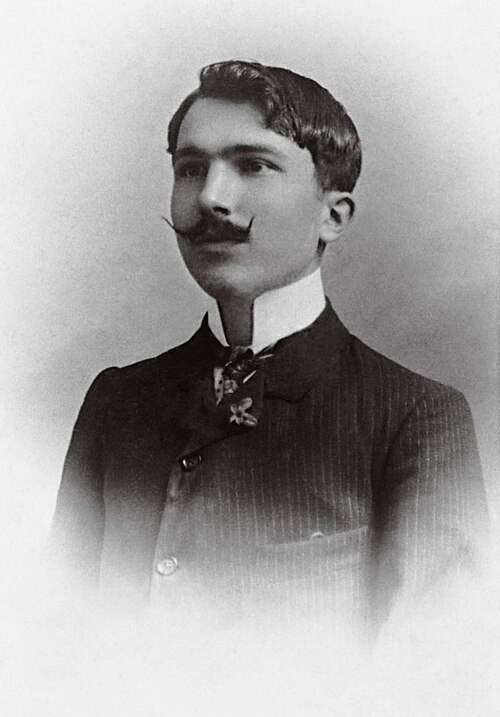
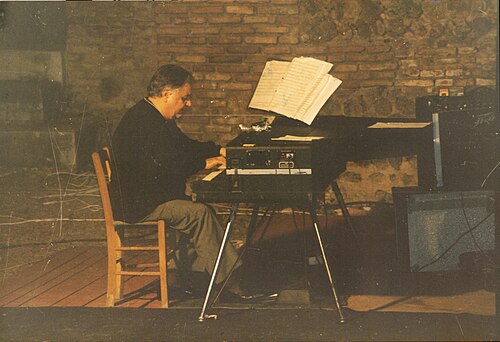
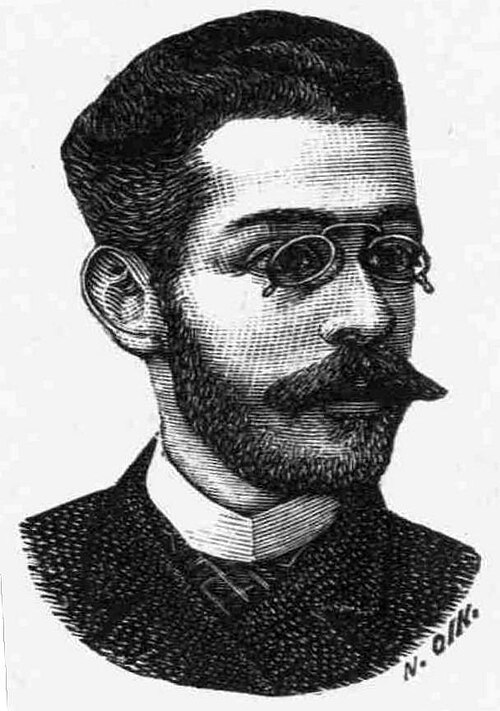
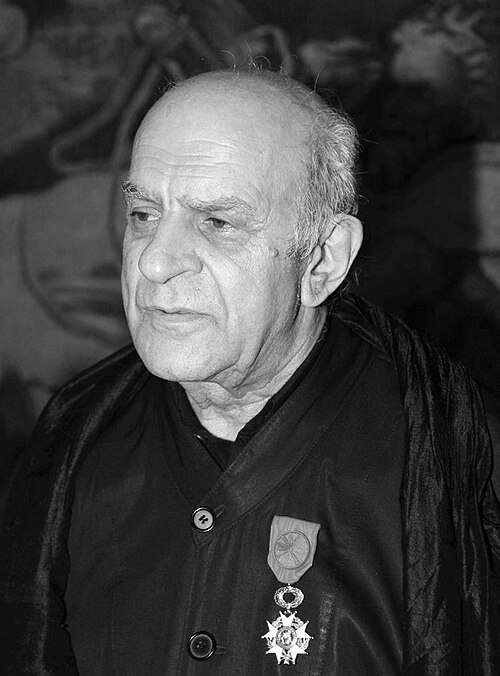
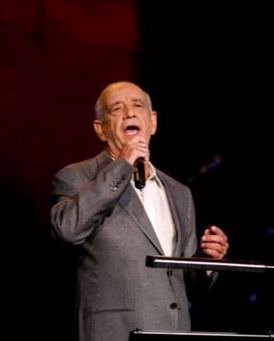
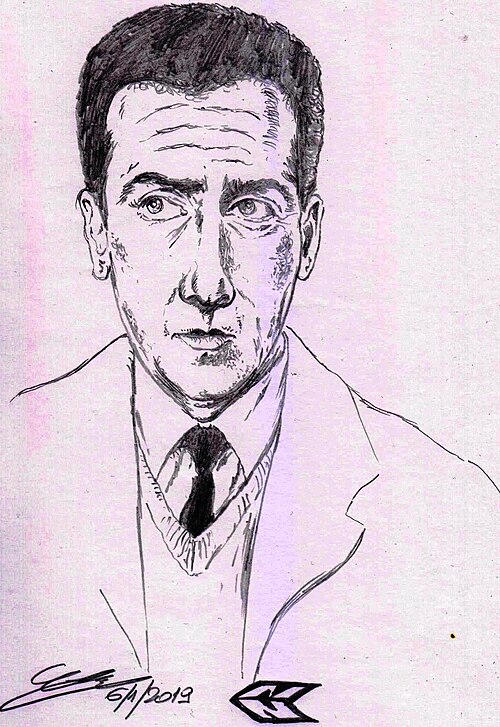
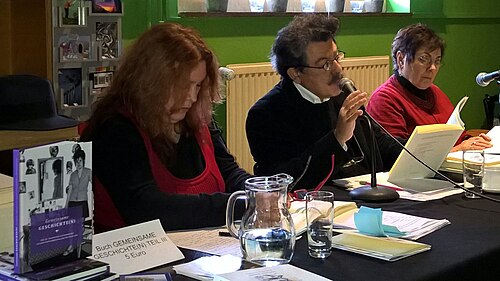
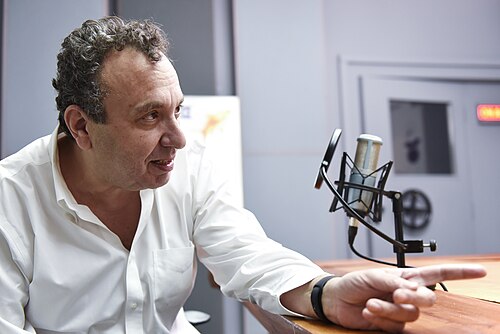
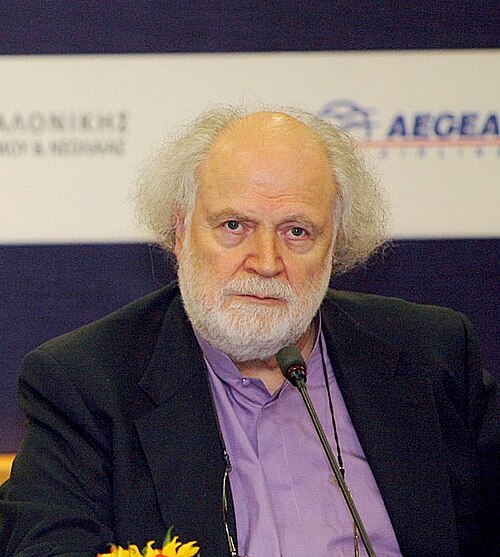
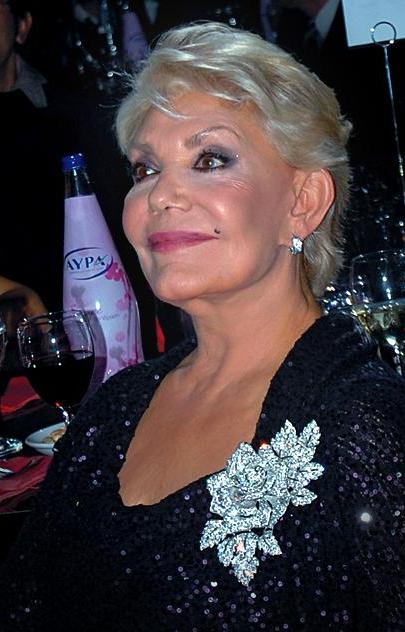
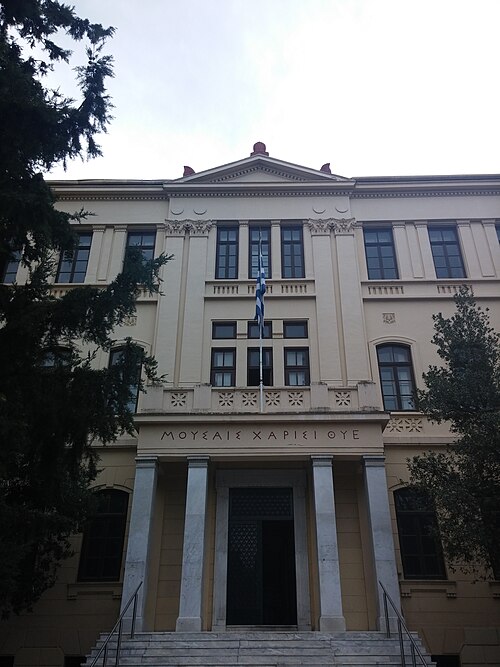
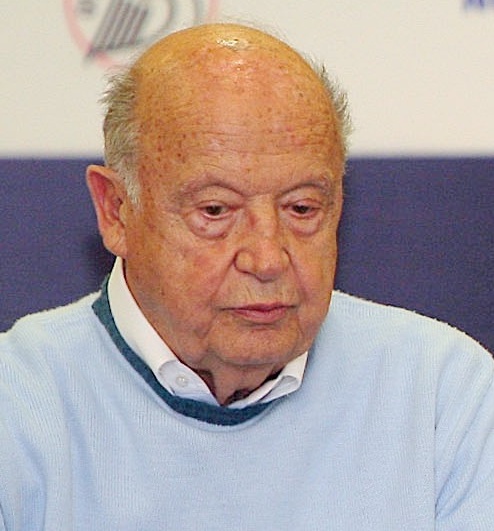
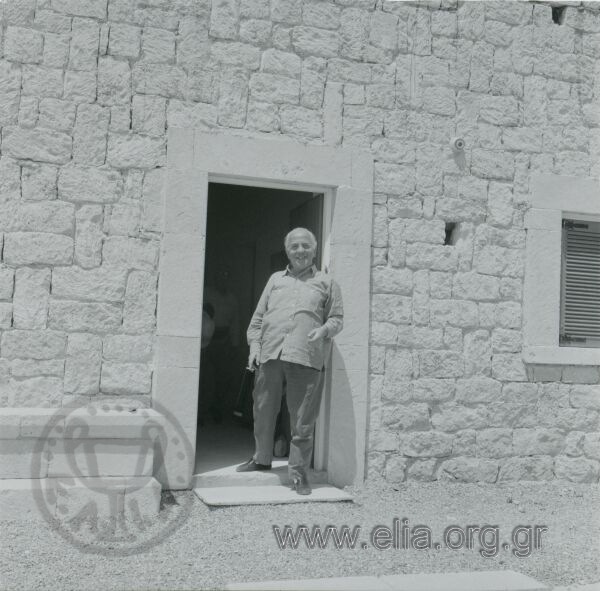
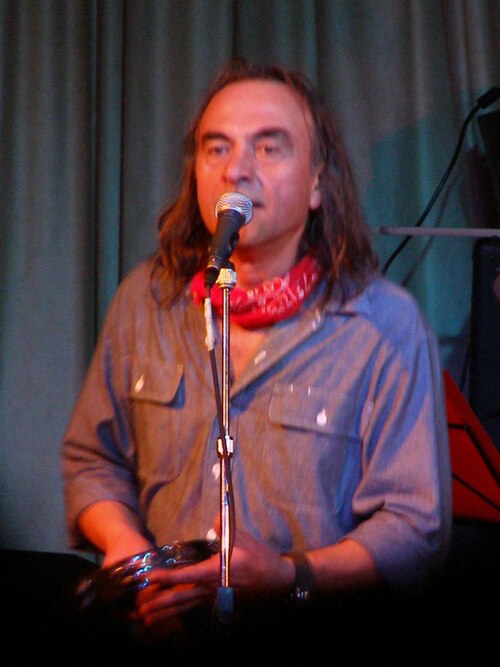
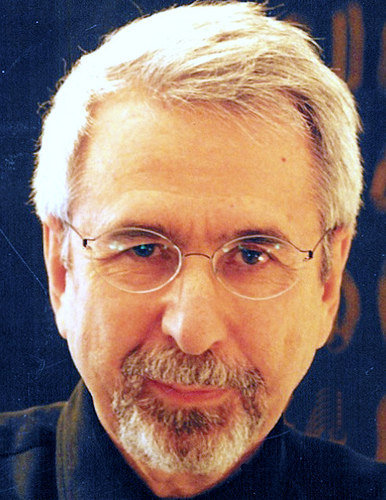
Nikos Dimou was born in Athens in 1935 and graduated from Athens College in 1954. He studied philosophy at the University of Munich, as well as English and French literature. His working life crossed several kinds of communication: advertising, journalism, television, radio and photography. He wrote about computers and cars as well as literary and philosophical questions. Poetry, prose, essays and satire belong to the same broad writing career. Η δυστυχία του να είσαι Έλληνας (The Unhappiness of Being Greek) first appeared with Ikaros in 1975 and became his best-known book.
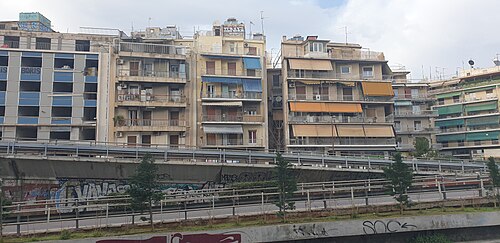
Dimou also turned his own life into a sustained literary project. Four parts, organised around streets where he had lived, came together as Οι δρόμοι μου (My Streets) in 2004. An expanded Patakis edition followed in 2015. In his own account for ERT, he explained that the autobiography had taken fifteen years to write and had begun with scattered personal stories. The Benaki Museum devoted an exhibition and accompanying catalogue to his varied work in 2015, bringing writing, photography and broadcasting into view together. His later books include Μικρό εγχειρίδιο ορθολογισμού (και ανορθολογισμού) (A Short Handbook of Rationalism and Irrationalism, 2016) and Η αντίσταση στον Δαρβίνο και άλλα 13 ετερόδοξα κείμενα (Resistance to Darwin and Thirteen Other Heterodox Texts, 2024).
Works

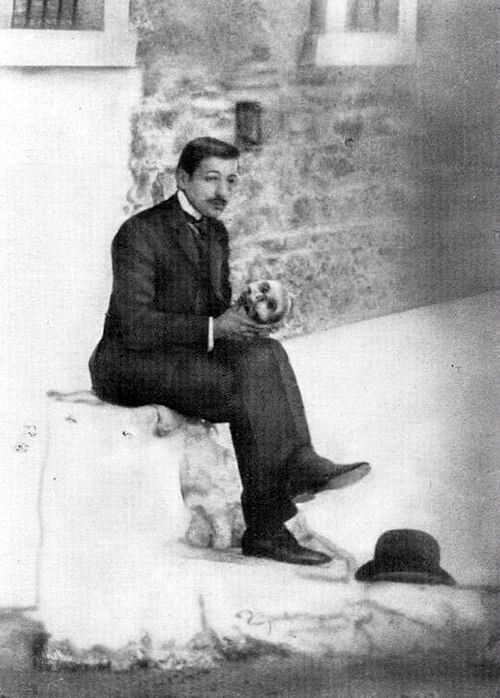
Η δυστυχία του να είσαι Έλληνας (The Unhappiness of Being Greek, 1975) uses short numbered reflections rather than a continuous narrative. Its opening considers the distance between desire and reality before turning to Greek self-images, myths and fears. The dedication to Emmanouil Roidis places the book in a tradition of unsettling public certainties. Its propositions are a writer's arguments, inviting agreement or resistance. They are not neutral descriptions of every Greek person. Dimou's later Μικρό εγχειρίδιο ορθολογισμού (και ανορθολογισμού) (A Short Handbook of Rationalism and Irrationalism, 2016) presents critical thinking as a method to practise rather than a doctrine to inherit.
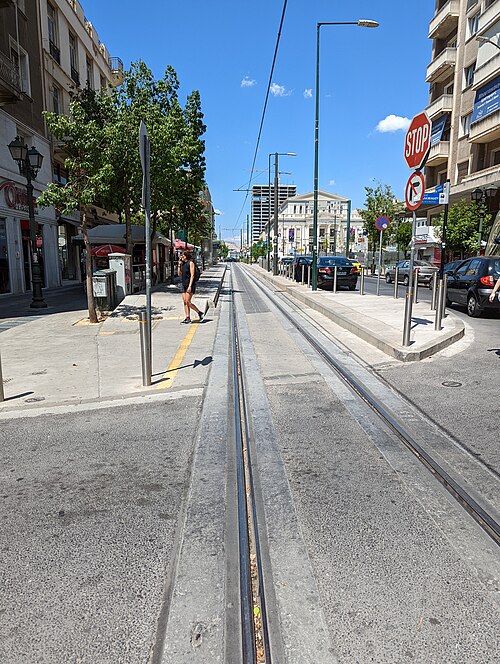
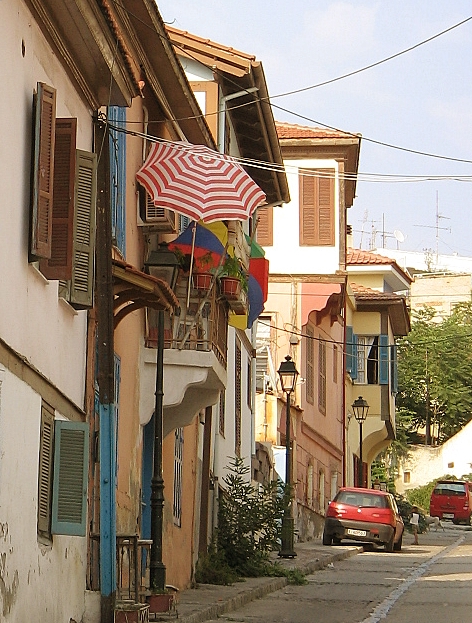
Οι δρόμοι μου (My Streets, collected 2004; expanded 2015) changes scale from public debate to personal experience. Streets organise memories, but Dimou describes an inward account rather than a list of events. Childhood during the Occupation, studies in Germany, professional work and writing belong to the same remembered life. A learner can borrow the idea of a place as a starting point without borrowing his memories. Choose a childhood street, begin Όταν ήμουν παιδί… (When I was a child…), and add where you lived and how you went to school. Three original sentences form a manageable first autobiographical paragraph.
Legacy in Greece today
Dimou's work remains accessible through publishers, broadcasting archives and the Benaki Museum's exhibition catalogue. ERT's page Νίκος Δήμου: μια ζωή πιο αληθινή από μυθιστόρημα (Nikos Dimou: A Life Truer Than a Novel) contains his own account of writing Οι δρόμοι μου (My Streets). Read its short opening, then make your own memory card. Use Όταν ήμουν παιδί… (When I was a child…), add Έμενα… (I lived…) and Πήγαινα στο σχολείο… (I went to school…). Choose one photograph or street to help you remember. Read your three sentences aloud and ask a partner Πού έμενες; (Where did you live?). This practises a personal past without requiring the whole autobiography.
Did you know?
- The 1975 Η δυστυχία του να είσαι Έλληνας is dedicated to Emmanouil Roidis.
- His autobiography grew from four parts organised around streets where he had lived.
- The Benaki Museum presented his writing and photography together in 2015.
Key works
| Greek title | Title | Year |
|---|---|---|
| Η δυστυχία του να είσαι Έλληνας | The Unhappiness of Being Greek | 1975 |
| Οι δρόμοι μου | My Streets — collected autobiography | 2004 |
| Μικρό εγχειρίδιο ορθολογισμού (και ανορθολογισμού) | A Short Handbook of Rationalism and Irrationalism | 2016 |
| Η αντίσταση στον Δαρβίνο και άλλα 13 ετερόδοξα κείμενα | Resistance to Darwin and Thirteen Other Heterodox Texts | 2024 |
A line to remember
Η αυτοβιογραφία μου πήρε δεκαπέντε χρόνια να γραφτεί.
I aftoviografía mou píre dekapénte chrónia na graftí.
My autobiography took fifteen years to write.