Life
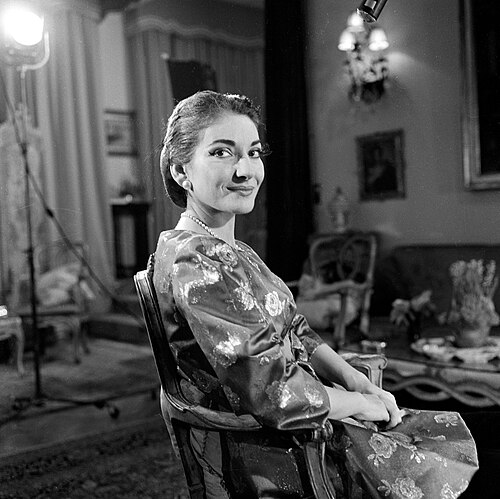
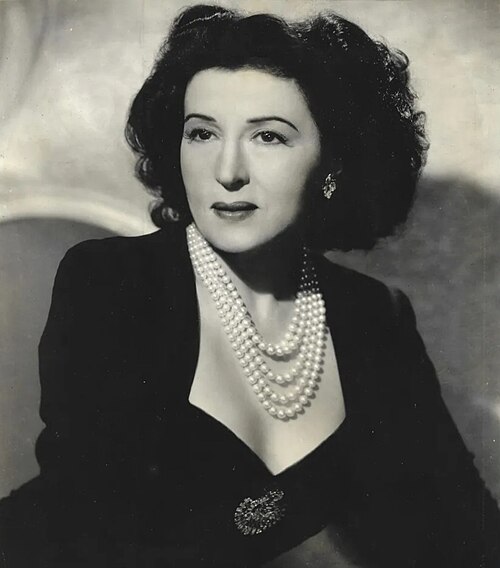
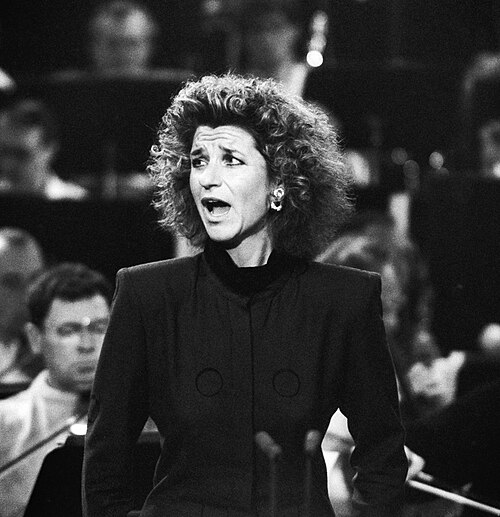
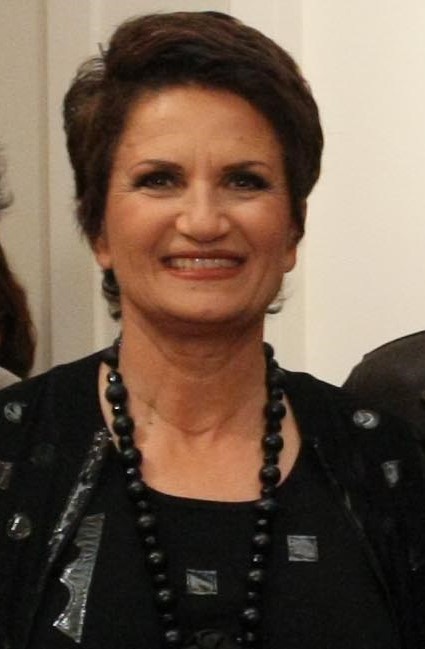
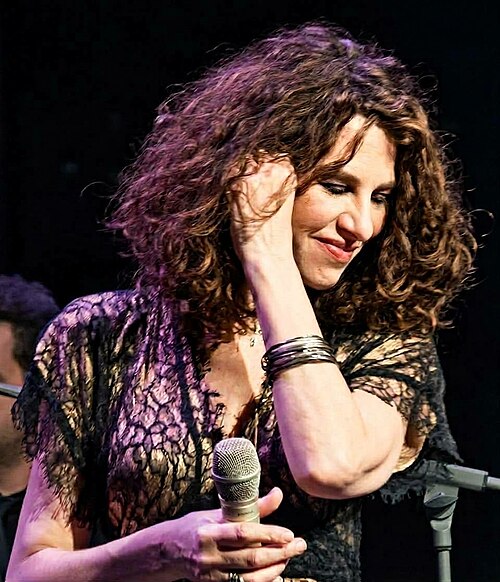
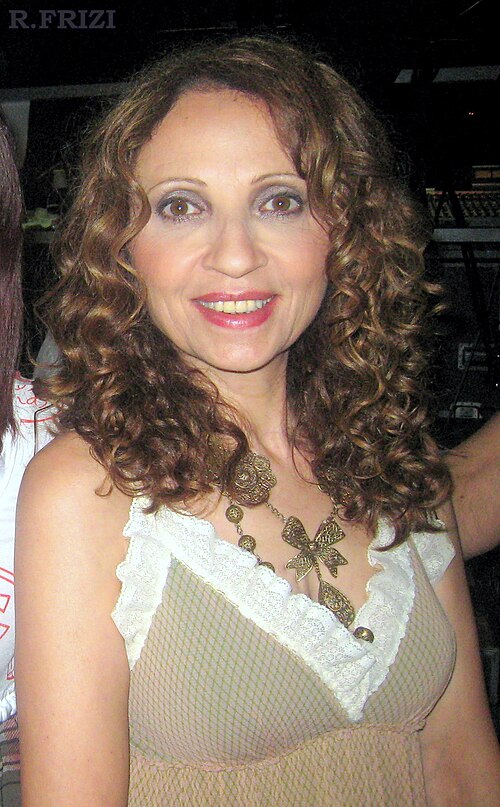
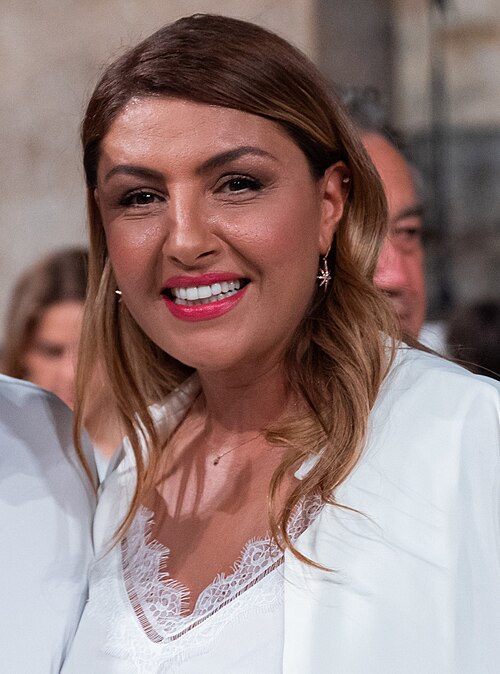
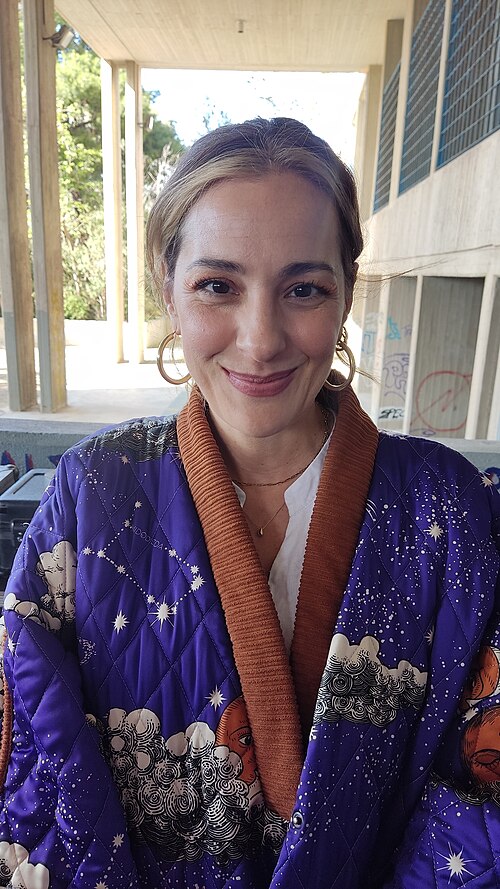
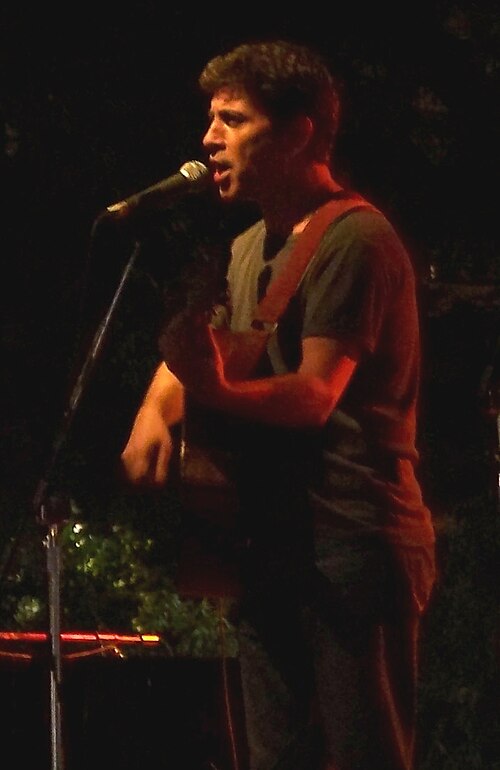
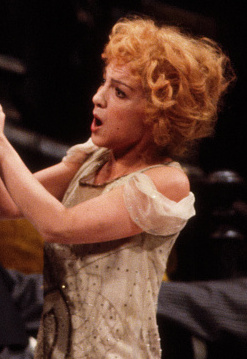
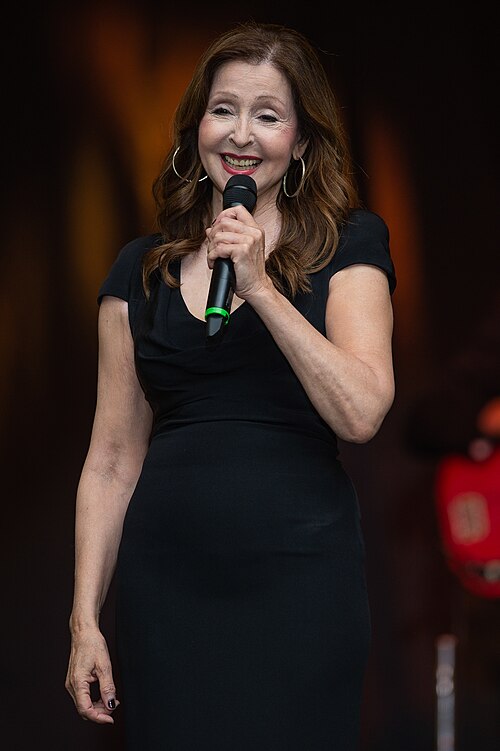
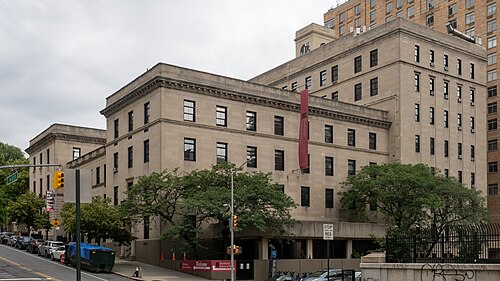
Elli Paspala grew up in New York within a family whose roots were in Thessaloniki. She began piano studies as a child and graduated from Manhattan School of Music. Her training included classical singing with soprano Judith Raskin and acting with William Hickey. Concerts in the United States and Canada helped shape a performer comfortable with more than one musical tradition.
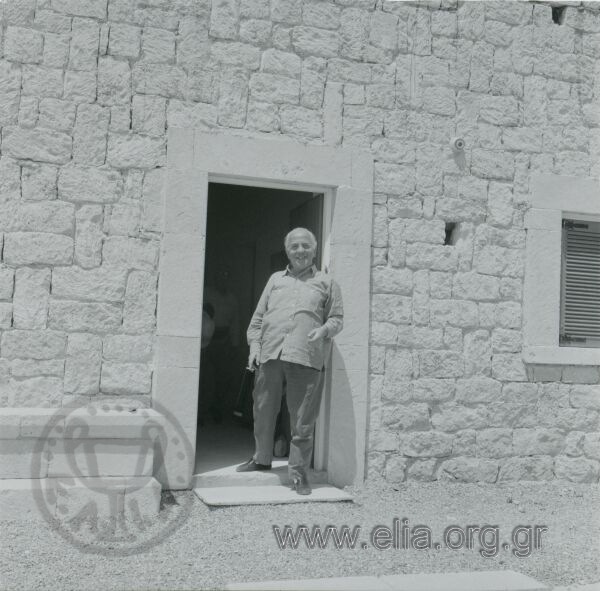
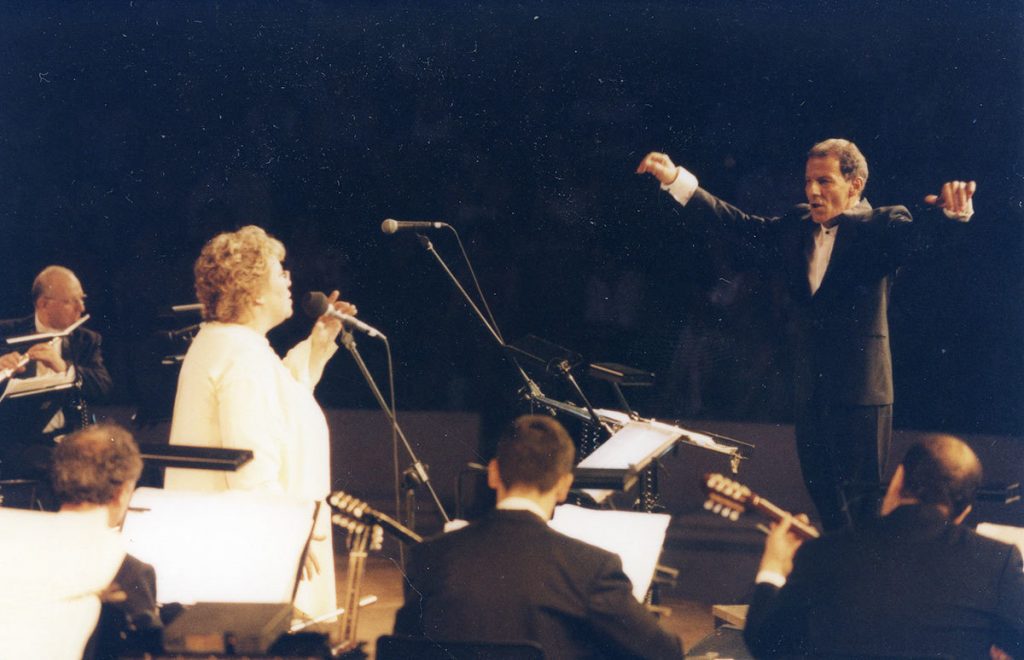
She came to Greece in 1982. Working with Manos Hadjidakis became a defining part of her early Greek career, through concerts and recordings. This connection did not erase the music she had encountered in America. Her later repertoire continued to draw on both environments, while collaborations with Greek composers gave her new songs and a distinct place within contemporary Greek music.
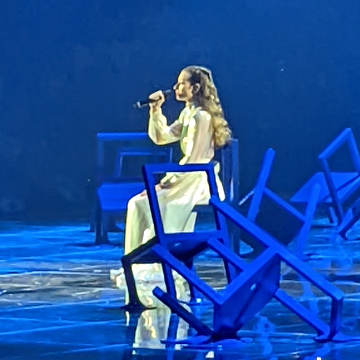
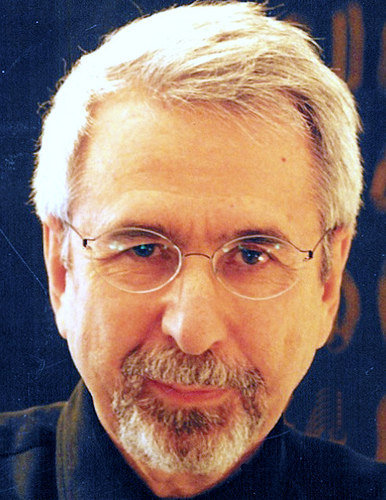
Paspala’s professional relationships include Panagiotis Kalantzopoulos, Evanthia Reboutsika, David Lynch, Stavros Lantsias and Takis Farazis. Small ensembles allow the voice to meet different instrumental combinations, while larger concert projects offer other possibilities. The Greek National Opera’s archive also records her participation in Μέσα χώρα (Inland) in 2022. In an interview that year, she explained how each language’s musical quality affects interpretation. The language changes from project to project, alongside the style and the instrumental setting.
Works

Her first personal album, Στη λάμψη του φεγγαριού (In the Moonlight), appeared in 1988 with foreign-language repertoire. Το νησί των λωτοφάγων (The Island of the Lotus-Eaters) followed in 1990 with music by Stamos Semsis and Greek lyrics. The two releases show different linguistic and musical directions from the start of her personal discography.
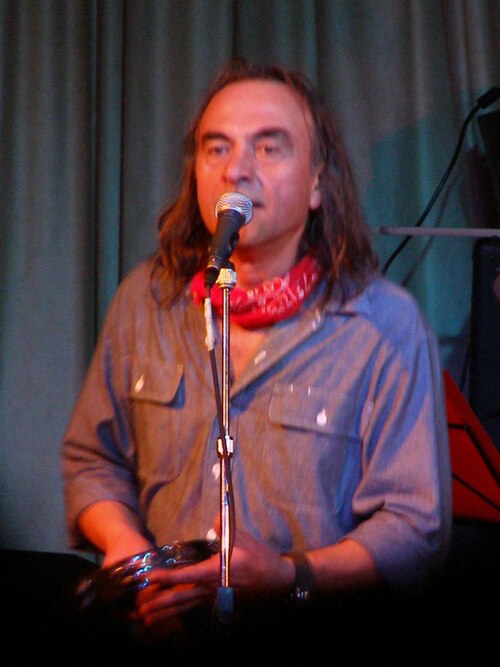
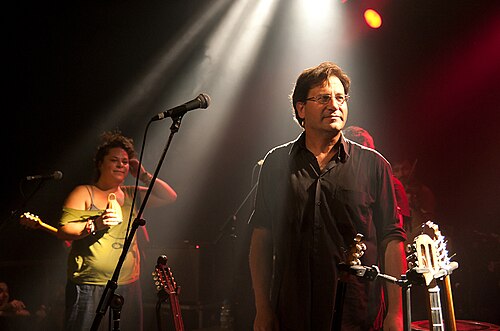
Για τη συνήθεια του έρωτα (For the Habit of Love), released in 1997, centres on music by Panagiotis Kalantzopoulos and several lyricists. Its Λευκό μου γιασεμί (My White Jasmine) has words by Michalis Ganas. Trio, released in 2001, presents another musical setting. On the live version of this song, recorded at Sfendona in January 2001, Stavros Lantsias plays classical guitar and David Lynch plays flute and percussion. The arrangement brings the song into a small ensemble, with plucked strings and breath-driven flute accompanying the voice.
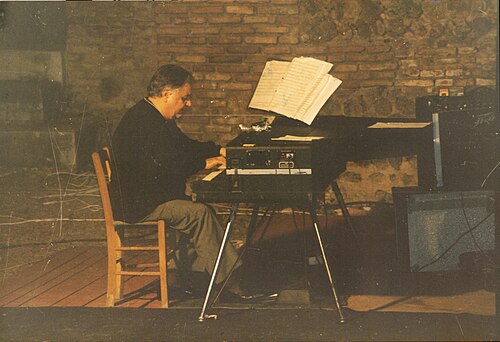
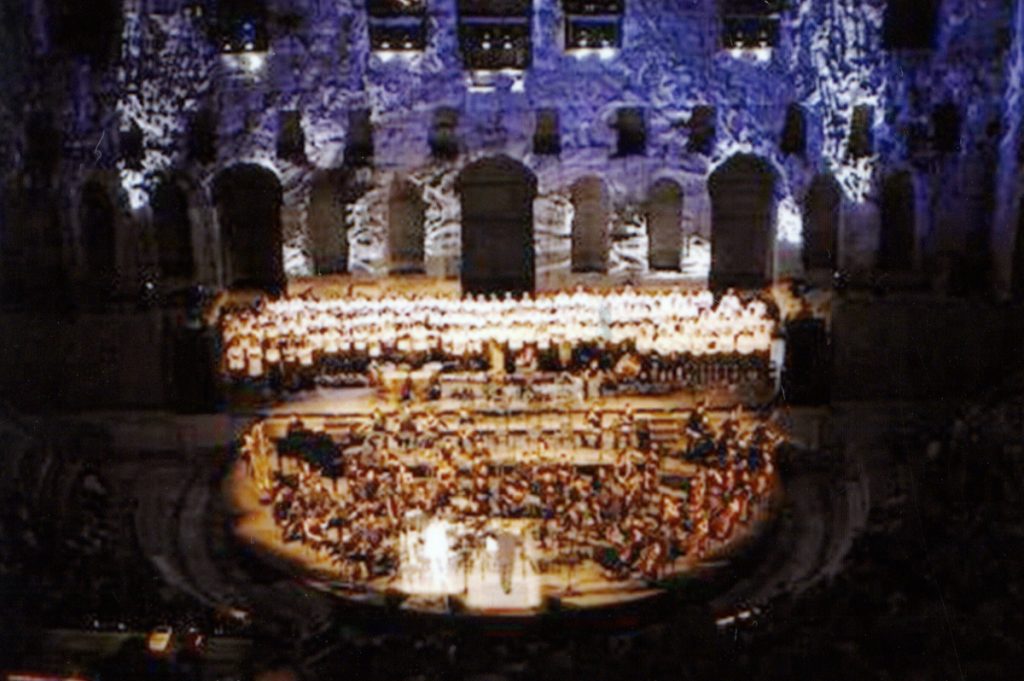
My American Songbook at the Herodeion in July 2023 returned to repertoire connected with her New York background, from Cole Porter and Gershwin to Joni Mitchell and Prince. The Athens Epidaurus Festival programme documents Vassilikos’s participation and an ensemble led by Lynch, with Farazis at the piano. This American repertoire belongs alongside her Greek recordings, each with its own language and musical context.
Legacy in Greece today
Paspala’s contribution lies in the meeting of musical education, Greek songwriters and varied performing traditions. Her account of language as part of interpretation encourages listening to the actual words as well as the voice.
For Greek practice, find Λευκό μου γιασεμί on Stavros Lantsias’s official YouTube channel. Hear λευκό, “white”, and μου, “my”, in the title. Then describe your own flower: Το λουλούδι μου είναι λευκό, “My flower is white”. Change it to Τα λουλούδια μου είναι λευκά, “My flowers are white”, noticing the adjective’s ending. Read the adapted passage aloud before comparing ordinary speech with the sung phrase. This A2 activity concerns colour, possession and a short agreement pattern, not the whole lyric or an English jazz programme.
Did you know?
- Born in New York in 1957, to Greek parents from Thessaloniki.
- Graduate of Manhattan School of Music.
- Came to Greece in 1982; worked with Manos Hadjidakis.
Key works
| Greek title | Title | Year |
|---|---|---|
| Στη λάμψη του φεγγαριού | In the Moonlight | 1988 |
| Το νησί των λωτοφάγων | The Island of the Lotus-Eaters | 1990 |
| Για τη συνήθεια του έρωτα | For the Habit of Love | 1997 |
| Trio | Trio — live album | 2001 |
| My American Songbook | My American Songbook — concert | 2023 |
A line to remember
Η γλώσσα των τραγουδιών είναι αναπόσπαστο μέρος της ερμηνείας τους.
I glóssa ton tragoudión eínai anapóspasto méros tis ermineías tous.
The language of songs is an inseparable part of their interpretation.