Life
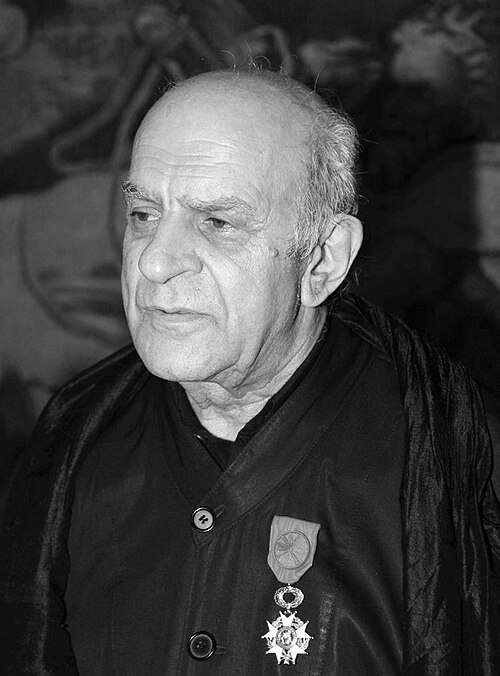
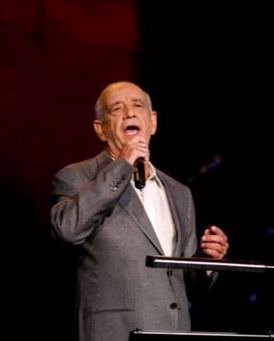
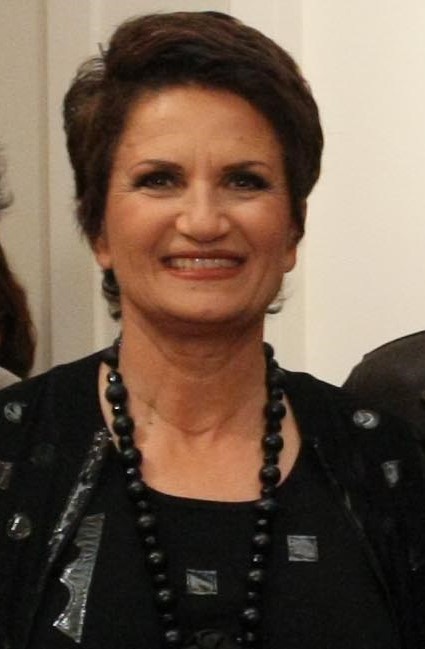
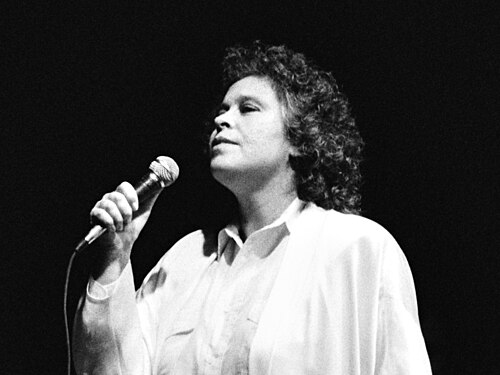
Michalis Ganas was born in Tsamantas, Thesprotia, in 1944. During the Greek Civil War, his family crossed into Albania and then went to Hungary. He returned to Greece in 1954. Childhood displacement, the border landscape and the voices of relatives later entered his writing. In 1962 he moved to Athens to study law, but did not complete the course. He worked for many years as a bookseller, then in literary broadcasting and advertising copywriting. These occupations placed written language, speaking voices and readers at the centre of his working life.
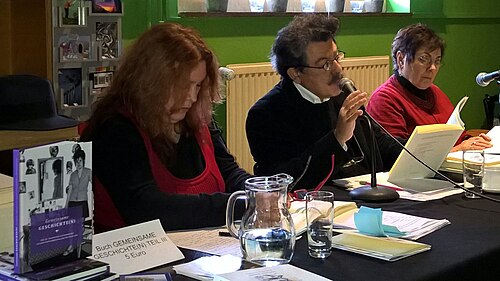
His first poetry collection, Ακάθιστος Δείπνος (Standing Supper), appeared in 1978. Μαύρα λιθάρια (Black Stones, 1980) and the prose narrative Μητριά πατρίδα (Stepmother Homeland, 1981) followed. Γυάλινα Γιάννενα (Glass Ioannina, 1989) and Παραλογή (Ballad, 1993) established further connections between personal memory and the language of traditional song. He received the State Poetry Prize for Παραλογή in 1994 and an Academy of Athens award for his poetic work in 2011. Alongside books, he wrote lyrics and worked with composers including Mikis Theodorakis, Nikos Xydakis and Dimitris Papadimitriou. Ganas died on 12 November 2024. ERT marked his death with archive readings and musical tributes.
Works

Μητριά πατρίδα (Stepmother Homeland, 1981) draws on the journey through Albania and Hungary and the family's return to Greece. The title makes homeland an uneasy relationship rather than a simple promise of belonging. Ganas also brought the dead, family memory and the language of folk song into his poetry. In Μαύρα λιθάρια (Black Stones, 1980), these concerns connect private experience with a wider inherited world. Παραλογή (Ballad, 1993) recalls the Greek narrative-song tradition in its title, while remaining the work of a modern poet.
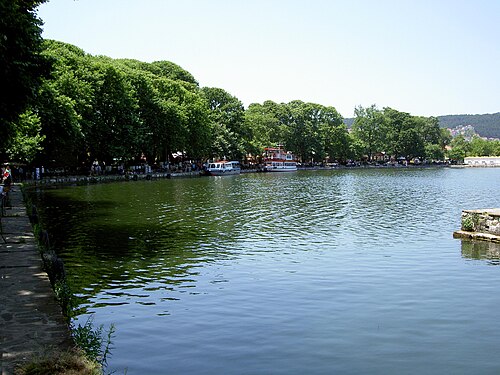
Γυάλινα Γιάννενα (Glass Ioannina, 1989) gives a city a place in this remembered geography. The opening poem brings together mountains, a lake, snow, minarets and sounds of metalwork. These details make the city something heard and seen. For learners, Γιάννενα and Ιωάννινα are two Greek names for the same city. Practise στα Γιάννενα (in Ioannina) and από τα Γιάννενα (from Ioannina), then use your own town. Ganas's songs offer another route into his language, but he distinguished the listener's experience from the reader's ability to return to a page. His 2011 interview explains why a lyric should be direct without becoming simplistic. This attention to how words reach another person links his poetry and songwriting.
Legacy in Greece today
Ganas remains present in school literature, song recordings and ERT's archive. The Centre for the Greek Language includes Γυάλινα Γιάννενα Ι (Glass Ioannina I) in its literature-and-cities resource. Open that page and find Ioannina on a map. Note that Γιάννενα and Ιωάννινα name the same place. Write two original sentences: Μένω στα Γιάννενα (I live in Ioannina) and Επιστρέφω από τα Γιάννενα (I return from Ioannina). Compare Μένω στην Αθήνα (I live in Athens) and Επιστρέφω από την Αθήνα (I return from Athens). Circle στα and από τα, then στην and από την. This small exercise uses the title's real geography to practise location and origin before approaching the original poem.
Did you know?
- He spent part of his childhood in Hungary and returned to Greece in 1954.
- He worked as a bookseller before literary broadcasting and advertising.
- Γιάννενα and Ιωάννινα are two Greek names for the same city.
Key works
| Greek title | Title | Year |
|---|---|---|
| Ακάθιστος Δείπνος | Standing Supper | 1978 |
| Μαύρα λιθάρια | Black Stones | 1980 |
| Μητριά πατρίδα | Stepmother Homeland | 1981 |
| Γυάλινα Γιάννενα | Glass Ioannina | 1989 |
| Παραλογή | Ballad | 1993 |
A line to remember
Η γραφή δεν πρέπει να είναι απλοϊκή, αλλά ευθύβολη.
I grafí den prépi na íne aploïkí, allá efthývoli.
Writing should not be simplistic, but direct.