Life
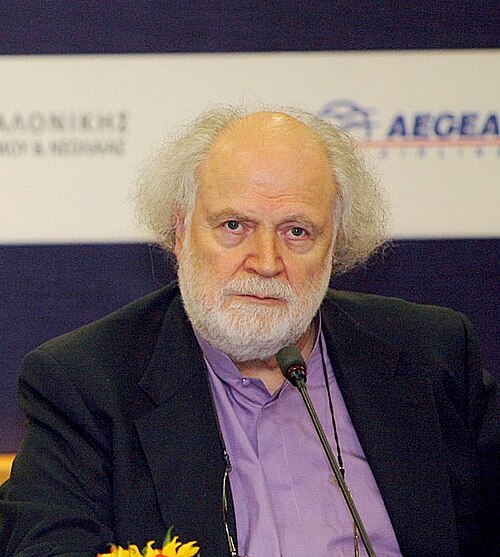
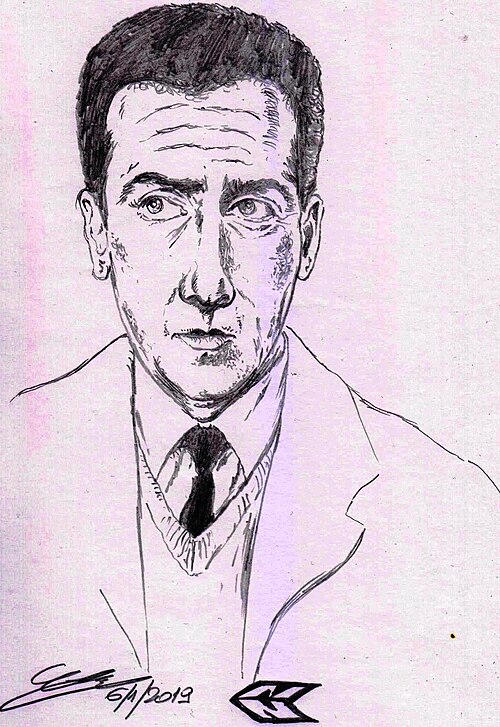
Alekos Alexandrakis was born in Athens on 27 November 1928. He trained at the National Theatre’s drama school and appeared on stage in 1949 with Katerina Andreadi’s company. Early film appearances included Εκείνες που δεν πρέπει να αγαπούν (Those Who Must Not Love, 1951) and Η Αγνή του λιμανιού (Agni of the Harbour, 1952). Theatre and cinema developed together throughout his career.
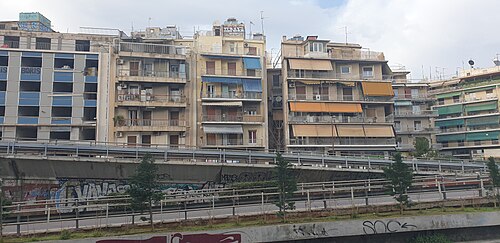
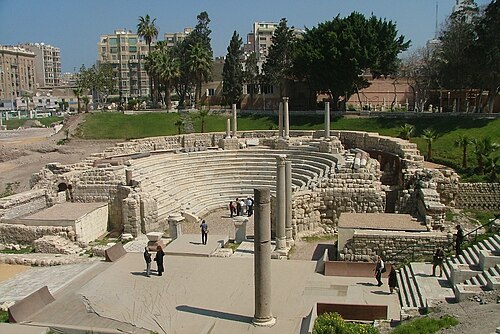
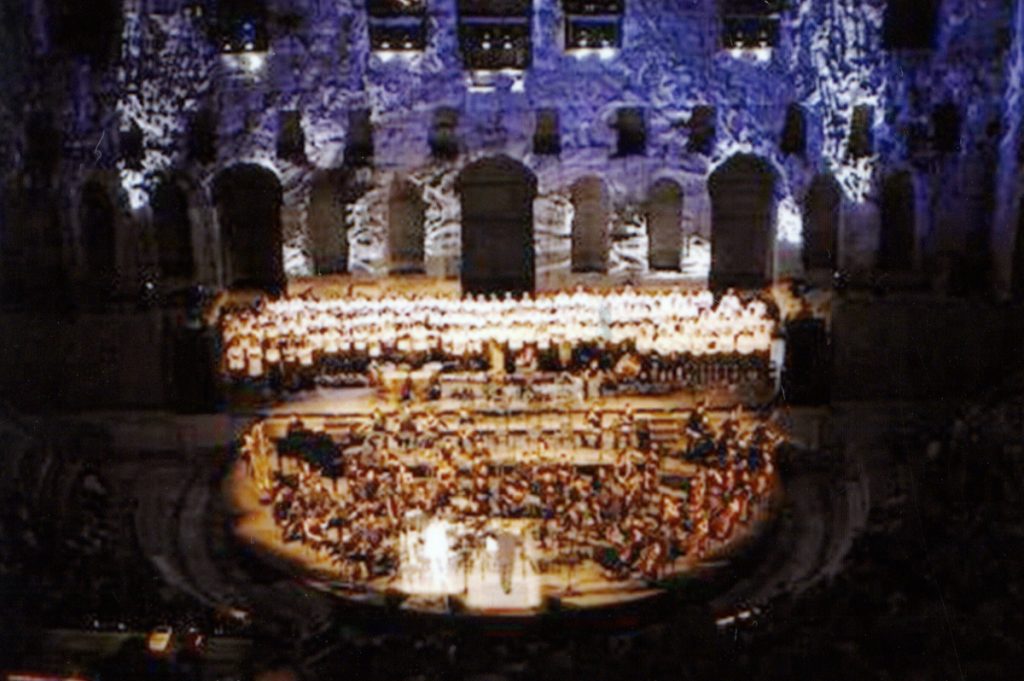
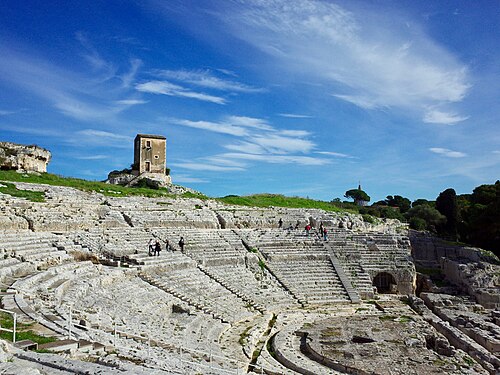
In 1954 he played Hippolytus in Euripides’s tragedy at the ancient theatre of Epidaurus, directed by Dimitris Rontiris. His screen work then ranged through romantic drama and comedy, including Michael Cacoyannis’s Στέλλα (Stella, 1955). In 1961, as director and actor in Συνοικία το όνειρο (A Neighbourhood Named the Dream), he turned towards the lives of a poor Athens neighbourhood. The film’s encounter with censorship became part of its place in Greek cinema history.
He also built theatre companies, collaborating professionally for many years with Nonika Galinea. They opened the Ilissia Theatre in 1986. Television extended his audience during the 1970s and later decades. He returned to the National Theatre in Louise Page’s Σαλόνικα (Salonika, 1998), and appeared in Vasilis Douros’s Το φως που σβήνει (Fading Light, 2000). In 2001 he received the Gold Cross of the Order of Honour. He died on 8 November 2005.
Works

The 1954 Ιππόλυτος (Hippolytus) shows Alexandrakis within an ensemble performing Euripides. He played the title character, while Thanos Kotsopoulos played Theseus, Hippolytus’s father. The production belonged to the National Theatre’s early work at Epidaurus; the annual festival became an institution the following year. Archive captions preserve the distinction between the names of the actors and their dramatic roles.
Στέλλα (Stella, 1955) placed him in Cacoyannis’s film alongside Melina Mercouri and Giorgos Fountas. Συνοικία το όνειρο (A Neighbourhood Named the Dream, 1961) gave him responsibility behind the camera as well. With a screenplay by Tasos Livaditis and Kostas Kotzias, it follows people living in poverty who imagine a better future. Its neorealist attention to ordinary life challenged the attractive image of Greece preferred by the authorities.
In Δεσποινίς Διευθυντής (Miss Director, 1964), directed by Dinos Dimopoulos, he acts alongside Jenny Karezi in a comedy set around a technical company. Later stage work included Σαλόνικα (Salonika, 1998), directed by Yannis Iordanidis. Το φως που σβήνει (Fading Light, 2000) continued his screen career into another generation of Greek filmmaking. These productions show how an actor’s work can connect an ancient character, a modern social drama and a popular comedy while depending on different writers, directors and fellow performers.
Legacy in Greece today
Open the Piraeus municipality’s Dimitris Rontiris Archive entry Φωτογραφίες από την παράσταση «Ιππόλυτος» (Photographs from Hippolytus), dated 11 July 1954. In its notes, match Alexandrakis with Ιππόλυτος and Kotsopoulos with Θησέας. Ask Ποιος παίζει τον Ιππόλυτο; and answer with the actor’s name.
Then make a second sentence: Ο Κωτσόπουλος παίζει τον Θησέα. Notice how Ιππόλυτος becomes τον Ιππόλυτο and Θησέας becomes τον Θησέα after παίζει. These are our practice sentences, supported by the historical casting. The A2 passage helps you read a theatre record; the full tragedy and its literary language require further support. The same actor-and-role distinction will help with other Greek programmes and film credits.
Did you know?
- He played Hippolytus in the National Theatre’s Epidaurus production of 1954.
- He both directed and acted in A Neighbourhood Named the Dream (1961).
- The Ilissia Theatre opened in 1986 through his professional partnership with Nonika Galinea.
Key works
| Greek title | Title | Year |
|---|---|---|
| Ιππόλυτος | Hippolytus (Epidaurus performance) | 1954 |
| Στέλλα | Stella | 1955 |
| Συνοικία το όνειρο | A Neighbourhood Named the Dream | 1961 |
| Δεσποινίς Διευθυντής | Miss Director | 1964 |
| Σαλόνικα | Salonika (National Theatre production) | 1998 |
| Το φως που σβήνει | Fading Light | 2000 |
A line to remember
Αν γύριζα τον χρόνο πίσω, είμαι βέβαιος ότι πάλι την ίδια δουλειά θα έκανα.
An gýriza ton chróno píso, eímai vévaios óti páli tin ídia douleiá tha ékana.
If I turned back time, I am certain I would do the same work again.