Life
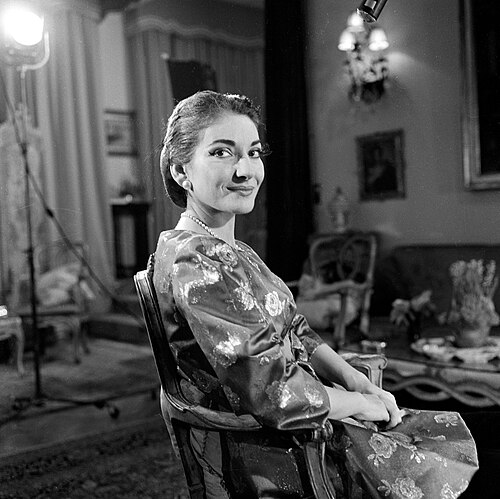
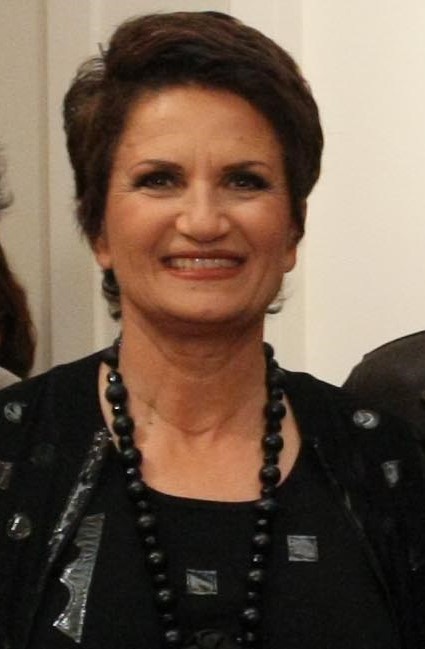
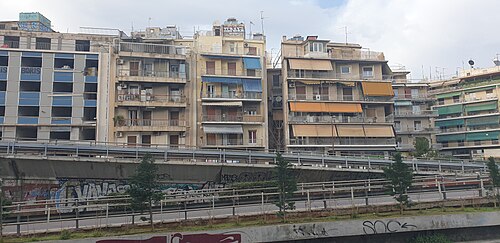
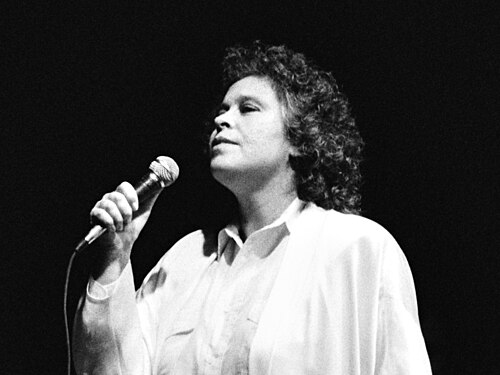
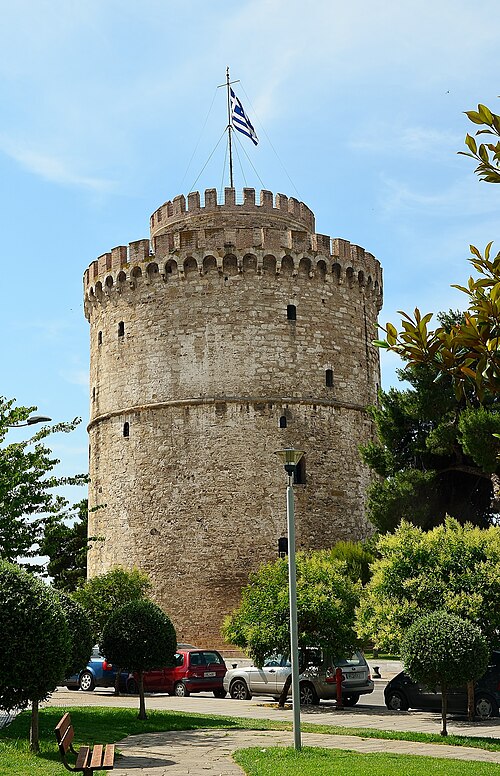
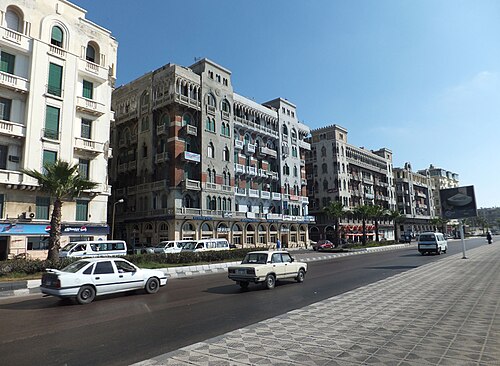
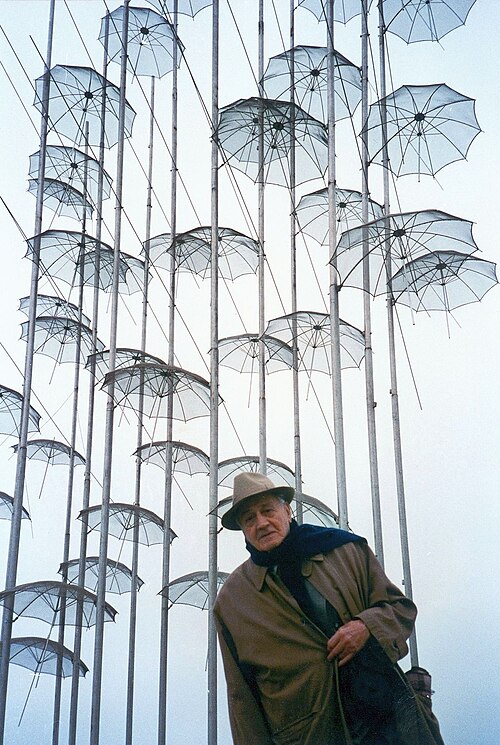
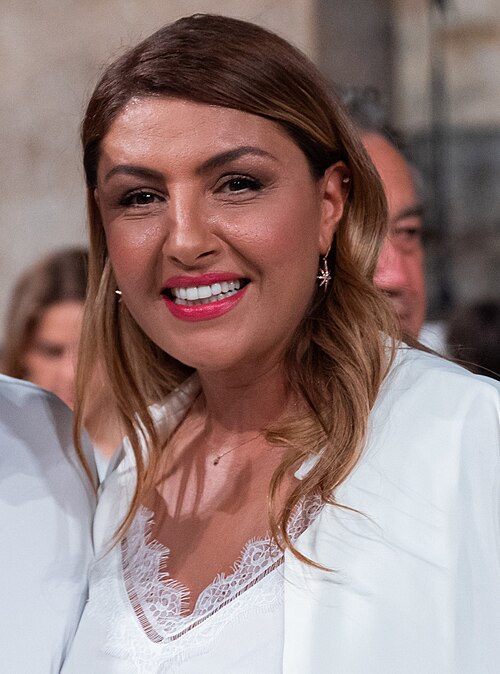
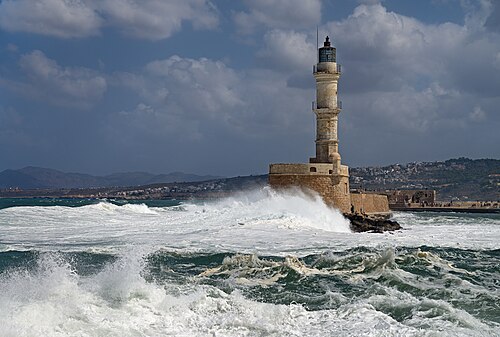
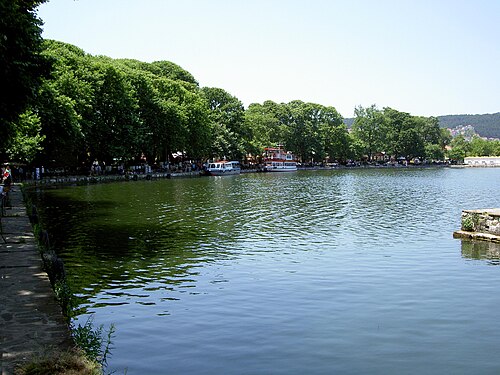
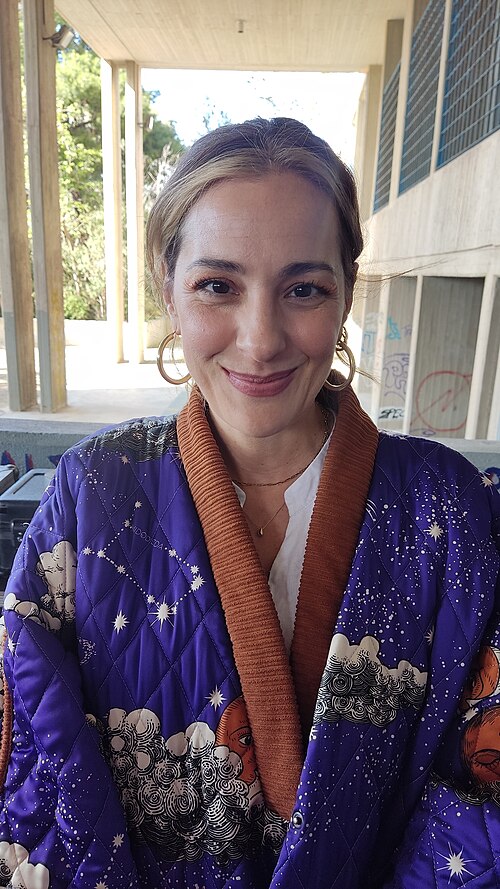
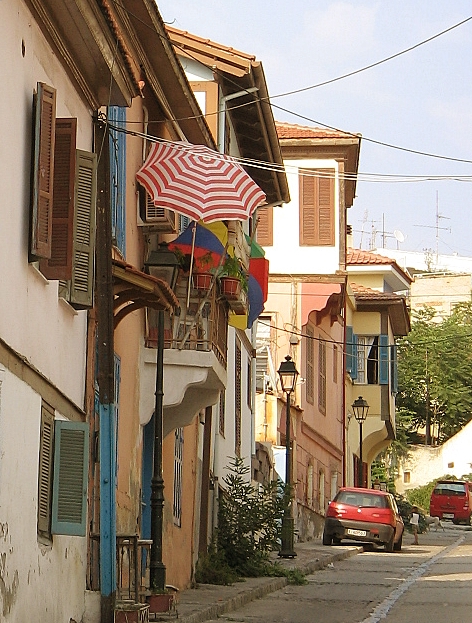
Melina Kana grew up in Kato Toumba, a Thessaloniki neighbourhood she remembers through low houses, courtyards and music. In her own account, children gathered around a barrel organ while families met nearby. Radio and singing at home exposed her to different traditions, including folk songs associated with Halkidiki and the voices of Greek popular singers.
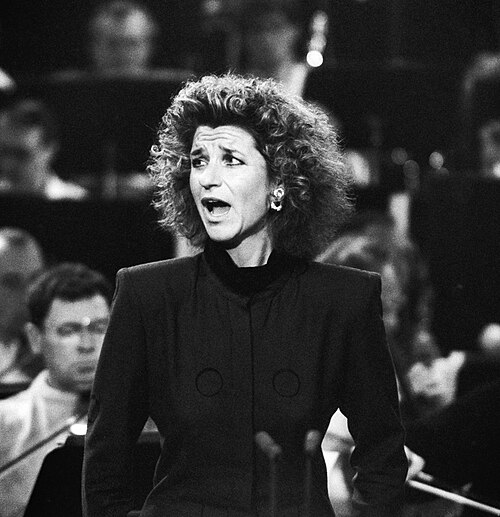
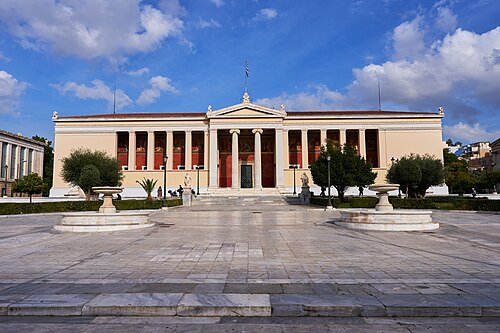
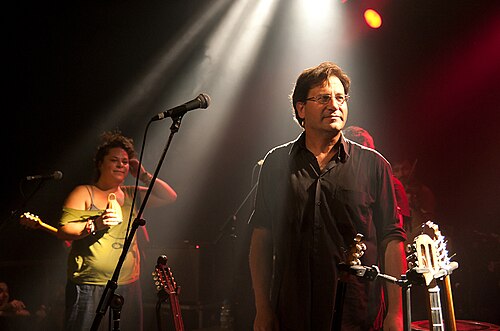
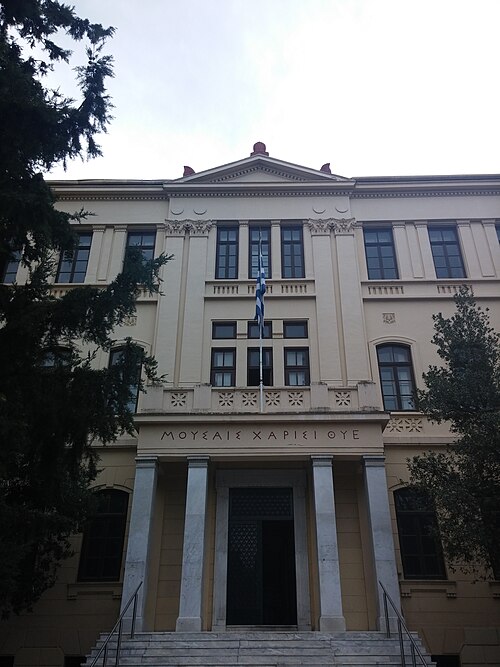
She studied philology at Aristotle University of Thessaloniki and completed her degree. Her interest extended to Ancient Greek, syntax, punctuation and metre; she recalls teachers Dimitris Maronitis and Panagiotis Moullas. Singing first entered this student life through friends. Invited to try a song during a rehearsal, she began performing at the city’s Plato venue in 1987 and stayed there for four years. Her initial plan had been to follow the subject she studied rather than become a professional singer.
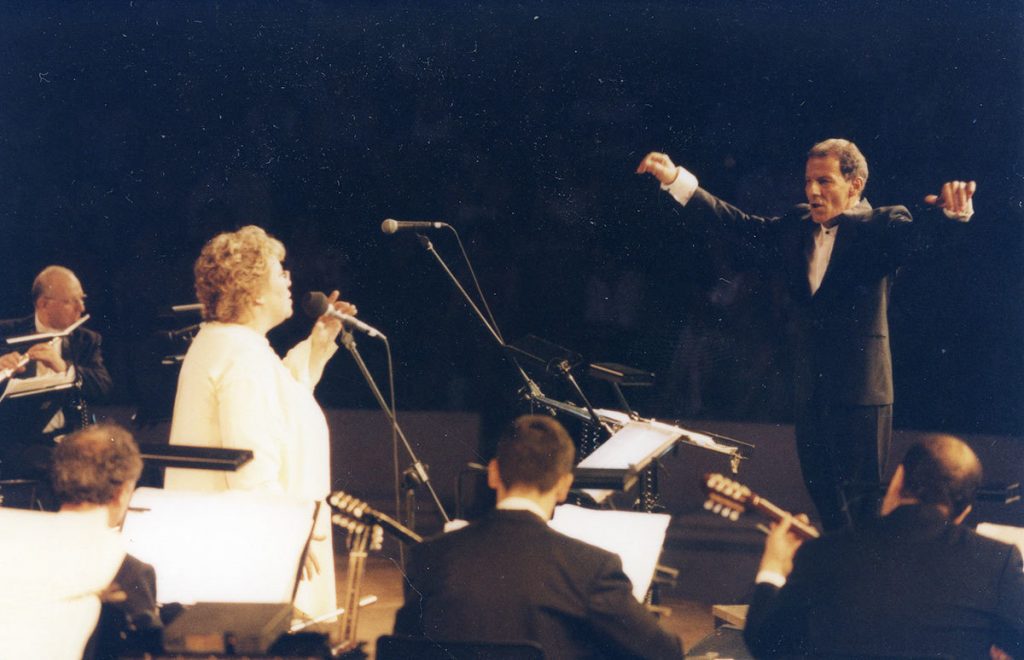
Concert work with Nikos Papazoglou helped open another path. Nikos Mamangakis then brought her into the recording studio for Μυστικά τραγούδια (Secret Songs) in 1991, setting Michalis Ganas’s poetry to music. Kana later described this as her introduction to studio work. She moved to Athens in 1998 for professional reasons, while maintaining a connection with Thessaloniki. Subsequent collaborations continued across generations, rather than confining her repertoire to the musicians of her first recordings.
Works

Μυστικά τραγούδια (Secret Songs), released in 1991, joined Mamangakis’s music with Ganas’s words, with Dimitris Zervoudakis also participating. Της μέρας και της νύχτας (Of Day and Night) followed in 1992, with music by Sokratis Malamas. Its repertoire includes Να βάλω τα μεταξωτά (Let Me Put On Silks), one of the songs closely associated with her early career.
With Thanasis Papakonstantinou, she recorded Της αγάπης γερακάρης (Love’s Falconer) in 1996 and participated in Λάφυρα (Spoils) in 1998. The latter project also involved Ashkhabad from Turkmenistan. Its varied instrumental resources do not change the language of the Greek track Μιλώ για σένα (I Speak About You), whose music and lyrics are Papakonstantinou’s. The album places vocal songs beside instrumental pieces, allowing the accompanying ensemble’s sound to become part of its identity.
Network’s Portrait, released in 2000, collected earlier recordings for international circulation; the selection offers another route through the repertoire developed during her first recording decade. A later partnership with Themis Karamouratidis produced Σπίθα (Spark), a nine-song album released in 2022. Its lyricists include Lizeta Kalimeri, Odysseas Ioannou and Maria Tzortzaki. The same-name single had appeared in 2021, before the complete album. These credits distinguish her role as interpreter from the writing of each song.
Legacy in Greece today
Kana’s recordings place a literary education beside collaborative songwriting and folk-derived musical ideas. The different composers and lyricists are part of the work’s cultural history, as are the Thessaloniki venues where she began.
For Greek practice, hear the title Μιλώ για σένα on Thanasis Papakonstantinou’s official YouTube channel and notice για σένα, “about you”. Both μιλώ and μιλάω are standard Modern Greek forms. Make your own sentence Μιλώ για τη Θεσσαλονίκη, “I speak about Thessaloniki”, then contrast Μιλώ με μια φίλη, “I speak with a female friend”. Name the topic and the conversation partner separately. Read the adapted passage first and say the examples naturally; this A2 task concerns short phrases and prepositions, not the full song’s metaphors.
Did you know?
- Born in Thessaloniki in 1966.
- Philology graduate of Aristotle University.
- Σπίθα: 2021 single, 2022 full album.
Key works
| Greek title | Title | Year |
|---|---|---|
| Μυστικά τραγούδια | Secret Songs | 1991 |
| Της μέρας και της νύχτας | Of Day and Night | 1992 |
| Της αγάπης γερακάρης | Love’s Falconer | 1996 |
| Λάφυρα | Spoils | 1998 |
| Portrait | Portrait — compilation | 2000 |
| Σπίθα | Spark — album | 2022 |
A line to remember
μου άρεσαν πολύ τα Αρχαία και η δομή της γλώσσας
mou áresan polý ta Archaía kai i domí tis glóssas
I really liked Ancient Greek and the structure of language.