Life
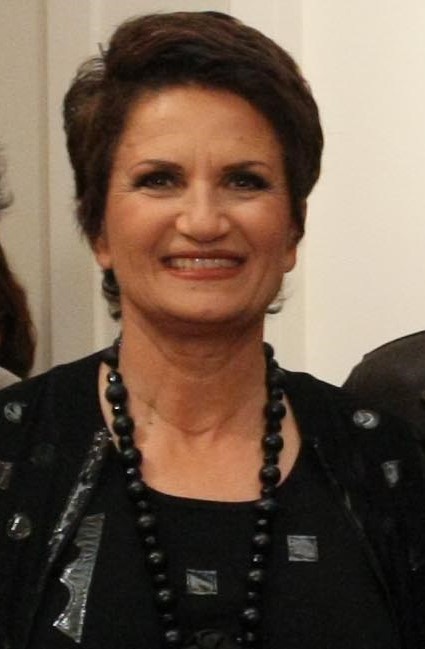
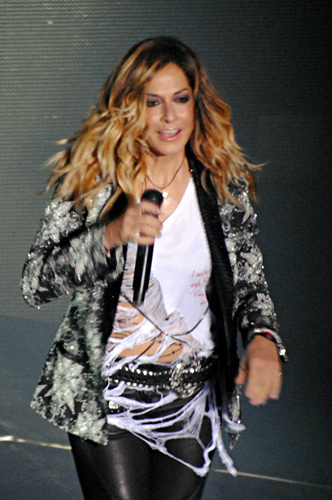
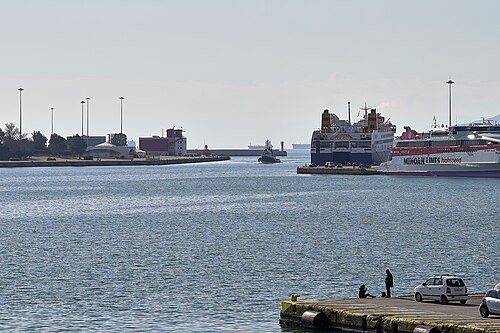
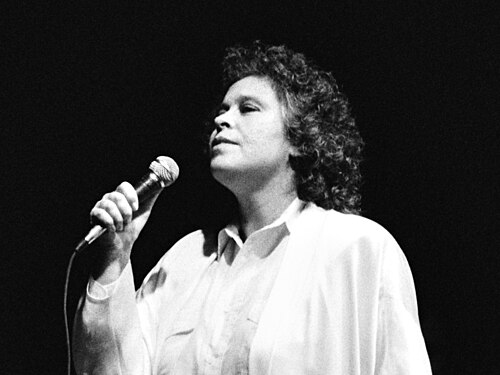
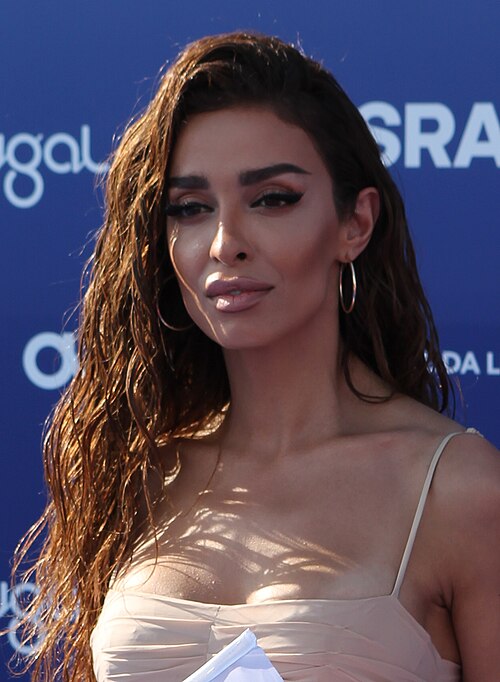
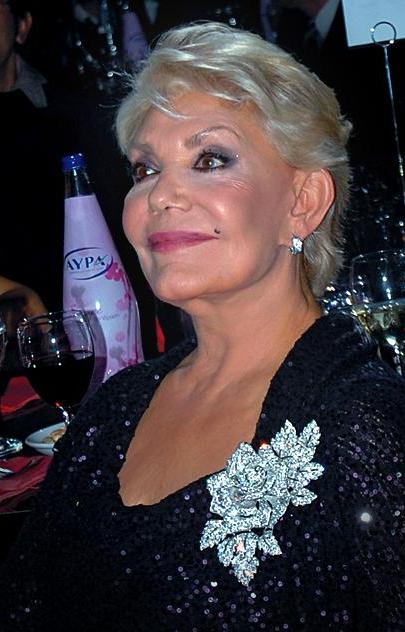
Eleftheria Arvanitaki grew up in Piraeus, with an island connection to Ikaria that she has discussed in interviews about her listening. Her career began with Opisthodromiki Kompania around 1980, in a group setting that brought older popular and rebetiko songs to new audiences. Singing with an ensemble gave her a repertoire of shared memory: songs could travel between musicians, clubs and listeners before becoming associated with one solo voice. Her self-titled first solo record appeared in the mid-1980s, alongside the transition toward a personal recording career.
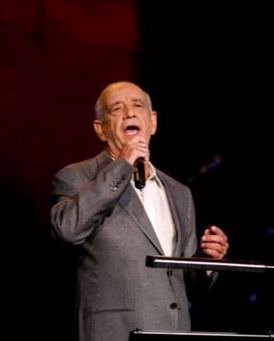
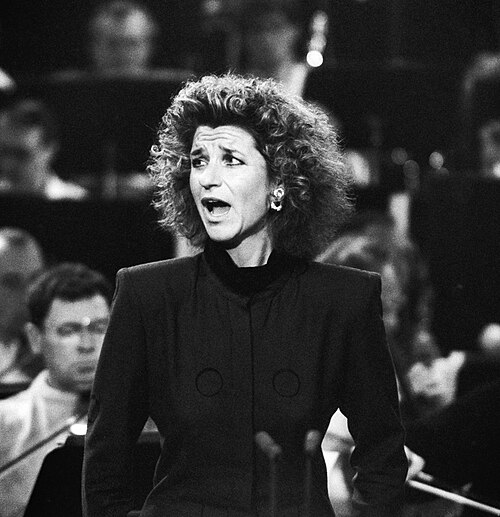
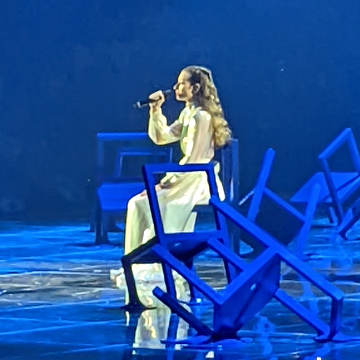
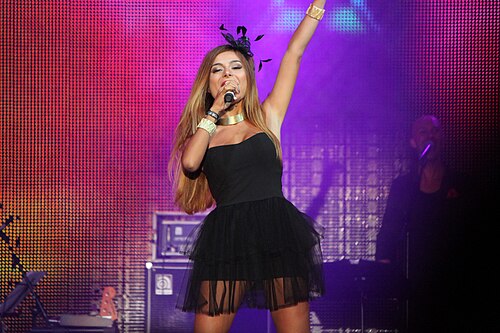
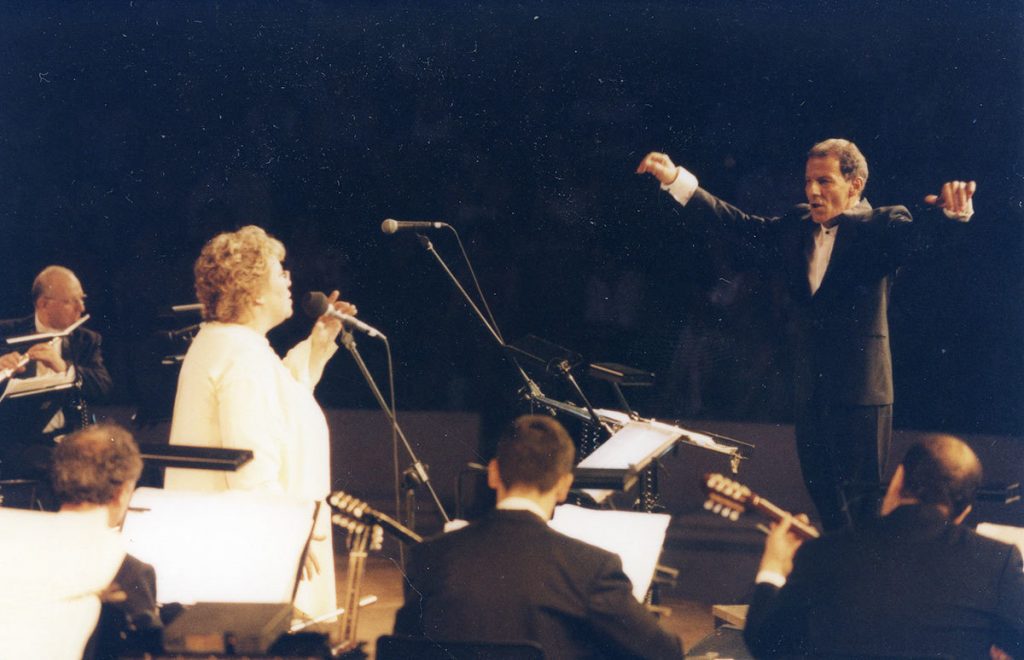
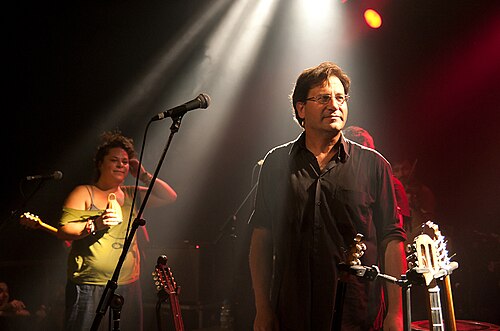
Collaboration remained central. Stamatis Spanoudakis, Nikos Xydakis, Ara Dinkjian and Dimitris Papadimitriou opened different routes through contemporary Greek song. Composers, lyricists and arrangers gave her voice new textures, while older musical forms continued to be audible. Her performances also carried Greek repertoire beyond Greece. On 1 February 2014 she appeared at Carnegie Hall with a band and Dinkjian as guest, bringing string, wind and percussion colours to a New York audience. The concert belonged to a wider international performing career. The continuity lies less in one fixed label than in a singer's ability to move among popular memory, new writing and the emotional shape of a Greek phrase.
Works

Kontrabando, released in 1986 with Stamatis Spanoudakis, joined her distinctive voice to a new instrumental setting. Meno Ektos, in the official chronology's 1991–1992 period, gathered several composers and lyricists, with arrangements by Nikos Antypas. Ta Kormia kai ta Macheria in 1994 developed the collaboration with Ara Dinkjian, Greek words by Lina Nikolakopoulou and Michalis Ganas, and arrangements by Dimitris Papadimitriou. These albums show how one interpreter can make contrasting musical authorships part of a recognisable repertoire.
Tragoudia gia tous Mines, from 1996, places poetry at the centre. Papadimitriou set writers including Sappho, Elytis, Karyotakis, Polydouri and Ganas to music. Its original calendar-like packaging paired months with paintings, joining listening to images and the passage of time. Ekpompi in 2001 extended the network of collaborators across countries and musical traditions. Ta Megala Taxidia in 2019 brought songs by Themis Karamouratidis and Leda Roumani. In an interview that year, Arvanitaki explained that words receive slightly greater weight in her attention. The singer's task is therefore also interpretive: breath, accent and phrasing bring a written line into sound. For a Greek learner, the album titles and a short listening extract offer everyday vocabulary alongside a doorway to poetry, with a word whose sound can be followed from the page into a musical phrase.
Legacy in Greece today
Start with the title Τραγούδια για τους Μήνες and make your own Greek calendar. Write the current month and one sentence beginning αυτόν τον μήνα θέλω να. Then listen twice to a short recording: first for the sound, then for one word you can recognise. Check its meaning and stress in a dictionary and use it in your calendar sentence. Compare a spoken interview answer with a sung phrase to notice how music stretches syllables. Do not copy the song's lines. The A2 grade describes the adapted Modern Greek passage; poetic vocabulary can need extra help. Arvanitaki's emphasis on words gives this small exercise a clear musical purpose.
Did you know?
- Her early group was Opisthodromiki Kompania.
- Ara Dinkjian and Dimitris Papadimitriou are key collaborators.
- Songs for the Months appeared in 1996 with calendar-like packaging.
- She performed at Carnegie Hall on 1 February 2014.
Key works
| Greek title | Title | Year |
|---|---|---|
| Κοντραμπάντο | Kontrabando | 1986 |
| Μένω Εκτός | I Remain Outside | 1991–1992 |
| Τα Κορμιά και τα Μαχαίρια | The Bodies and the Knives | 1994 |
| Τραγούδια για τους Μήνες | Songs for the Months | 1996 |
| Εκπομπή | Broadcast | 2001 |
| Τα Μεγάλα Ταξίδια | The Great Journeys | 2019 |
A line to remember
Δίνω ελαφρώς μεγαλύτερη βάση στον στίχο.
In today's GreekΔίνω ελαφρώς μεγαλύτερη βάση στον στίχο.
Dino elafros megalyteri vasi ston sticho
I give slightly greater weight to the words.