Life
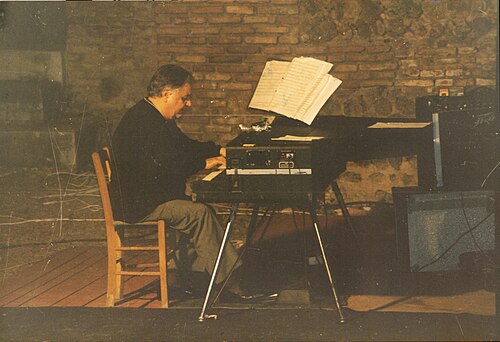
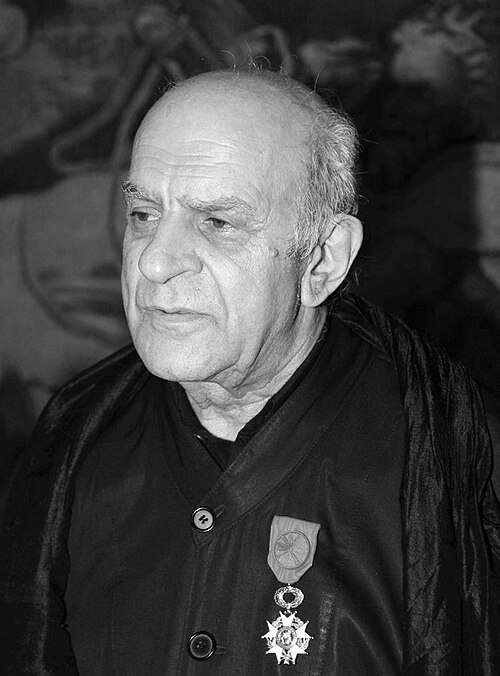
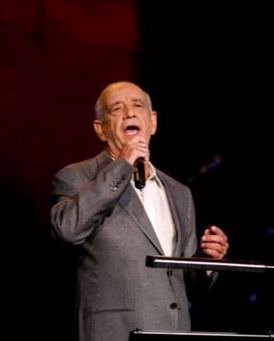
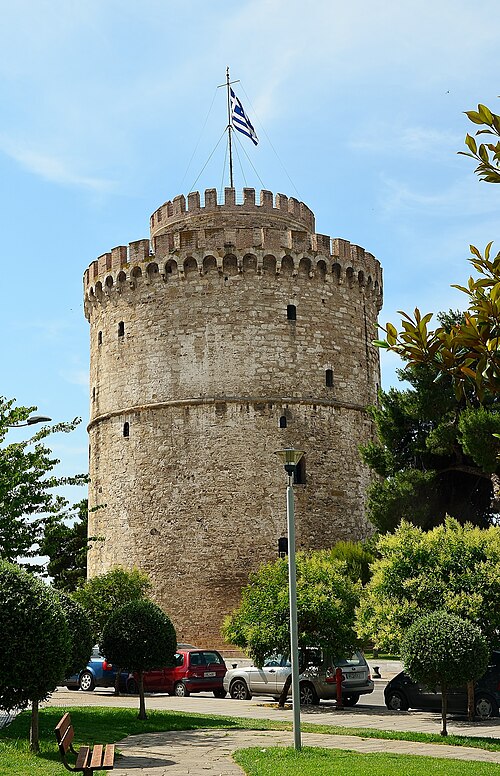
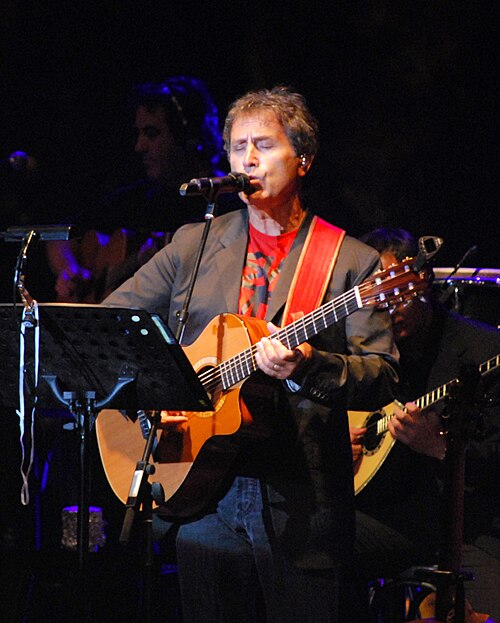
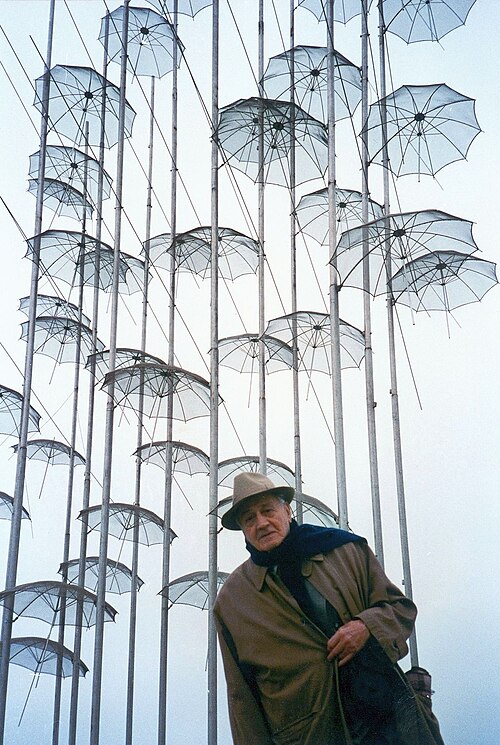
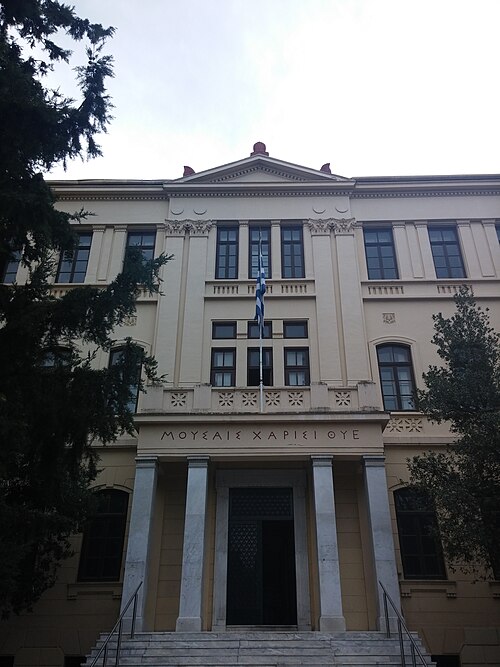
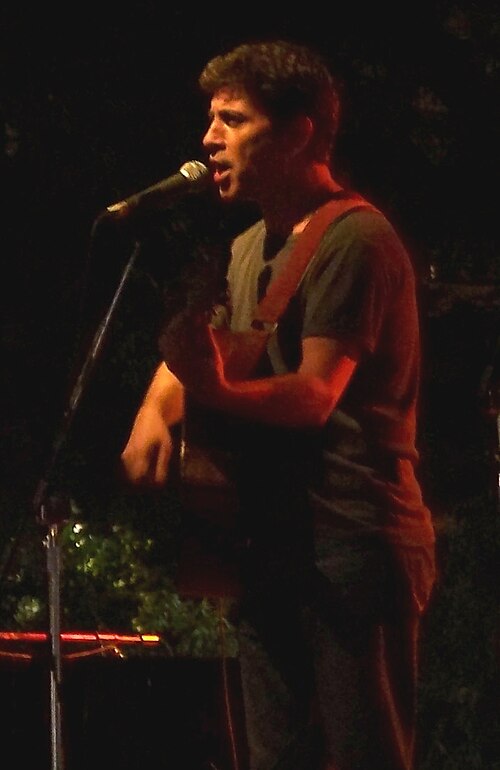
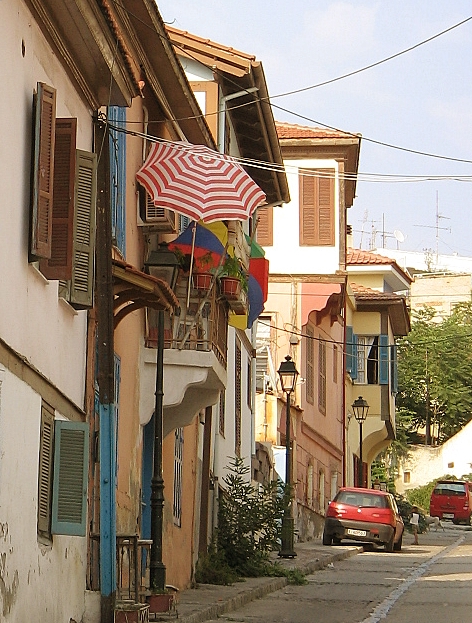
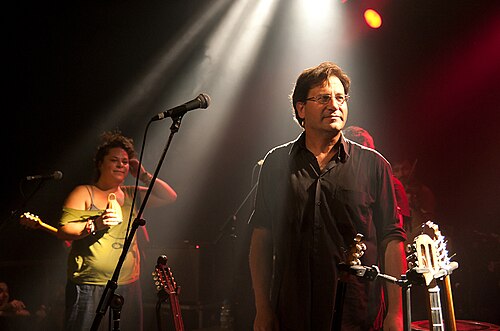
Dionysis Savvopoulos was born in Thessaloniki in 1944. He entered law school at Aristotle University but did not complete his studies. Moving to Athens in the early 1960s, he made song his profession: he wrote words and music and performed them himself. This combination gave the speaking, singing individual a particularly visible place in Greek popular music. His first album, Φορτηγό (Truck), appeared in 1966, when the experiences and expectations of a younger generation were changing the country's musical landscape.
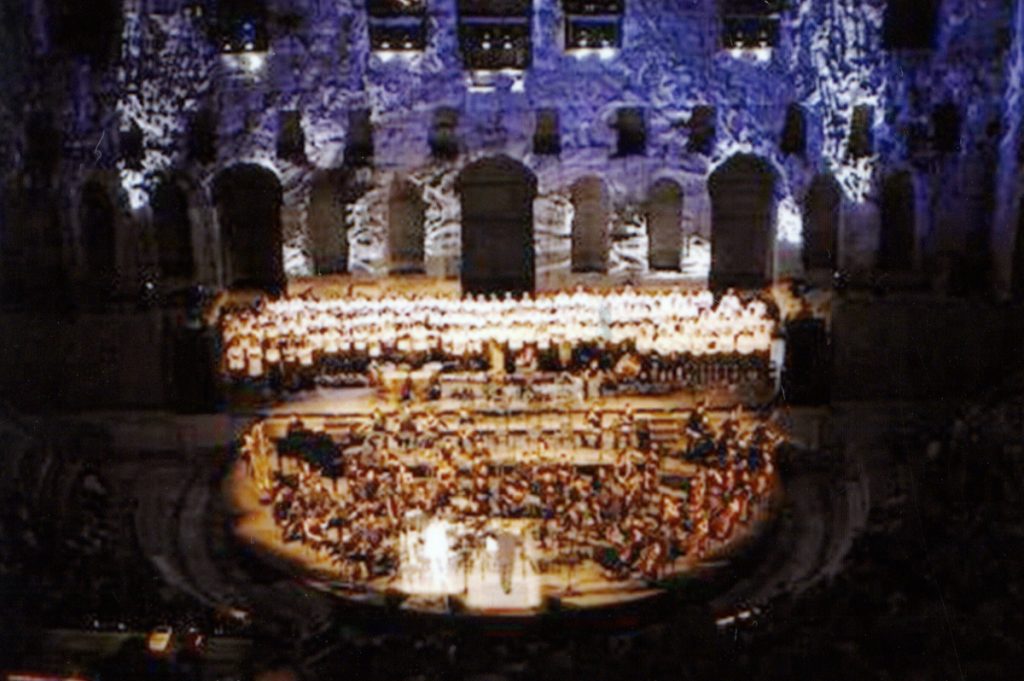
His career also crossed political repression. He was imprisoned during the military dictatorship of 1967–1974. Albums continued to appear, including Το περιβόλι του τρελλού (The Madman's Orchard), Μπάλλος (Ballos) and Βρώμικο ψωμί (Dirty Bread). After the dictatorship, his work extended through concerts, records and television. In 1986–1987 he presented the programme Ζήτω το ελληνικό τραγούδι (Long Live Greek Song). Theatre offered another setting: he returned to Aristophanes, and in 2013 translated and directed Πλούτος (Wealth) for Epidaurus, composed its music and performed as the chorus leader. His autobiography, Γιατί τα χρόνια τρέχουν χύμα (Why the Years Run Loose), was published in 2025. He died in Athens on 21 October that year.
Works

Savvopoulos's songs brought together the individual narrator, the electric energy of rock and Greek musical traditions. His records are not simply collections of settings of somebody else's poems: writing, composing and performing usually belong to the same creative voice. The sequence from Φορτηγό (Truck, 1966) through Μπάλλος (Ballos, 1971) and Βρώμικο ψωμί (Dirty Bread, 1972) shows how widely that voice could range. Dance, storytelling and commentary could share the same musical space. In the 1977 theatrical work Αχαρνής (Acharnians), he also brought Aristophanes into a contemporary musical setting.
Τραπεζάκια έξω (Little Tables Outside, 1983) contains Ας κρατήσουν οι χοροί (Let the Dances Continue). The artist's own discography lists its tracks, lyricist, performers and production credits, making the record a useful meeting point between music and written Greek. Even its title rewards close attention: τραπεζάκια is the plural of τραπεζάκι, a diminutive of τραπέζι, while έξω means outside. The small word carries an everyday scene into an album title. His later Ο χρονοποιός (The Time-Maker, 1999) continued his recorded authorship. In a 2009 interview he described noting down musical ideas in a notebook: an illuminating glimpse of practical work behind inspiration.
Legacy in Greece today
ERT's archive preserves performances and programmes that show how Savvopoulos's songs travelled between records, television and public gatherings. For a first language activity, open the artist's official discography entry Τραπεζάκια έξω (Little Tables Outside), dated 1983. Read the title aloud, then compare το τραπέζι, το τραπεζάκι and τα τραπεζάκια: table, little table and little tables. Notice the ending and the change of article. Write your own sentence, Έχουμε δύο τραπεζάκια έξω (We have two little tables outside). Change δύο to τρία, then replace έξω with μέσα. This is useful everyday Greek drawn from a real album title; understanding a complete song requires further listening support.
Did you know?
- He began law studies before choosing music.
- He presented his own Greek-song television programme in 1986–1987.
- His 2013 Wealth combined translation, direction, composition and performance.
Key works
| Greek title | Title | Year |
|---|---|---|
| Φορτηγό | Truck | 1966 |
| Το περιβόλι του τρελλού | The Madman's Orchard | 1969 |
| Μπάλλος | Ballos | 1971 |
| Βρώμικο ψωμί | Dirty Bread | 1972 |
| Τραπεζάκια έξω | Little Tables Outside | 1983 |
| Ο χρονοποιός | The Time-Maker | 1999 |
A line to remember
Έμπνευση είναι οι ιδέες που έρχονται.
Émpnefsi íne i idées pou érchonte.
Inspiration is the ideas that come.