Life
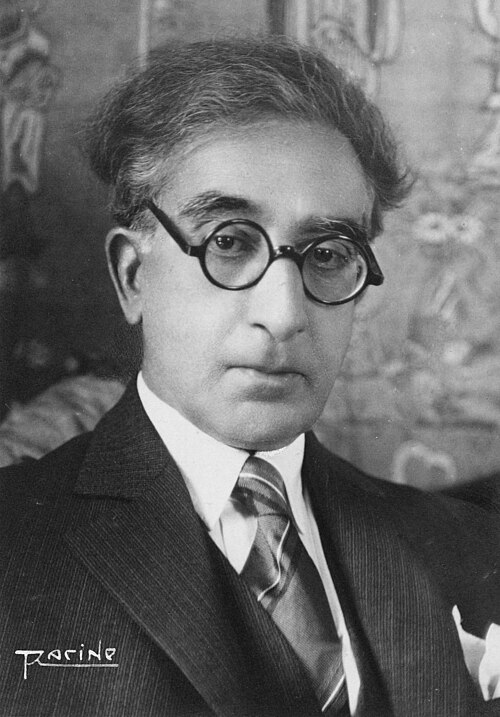
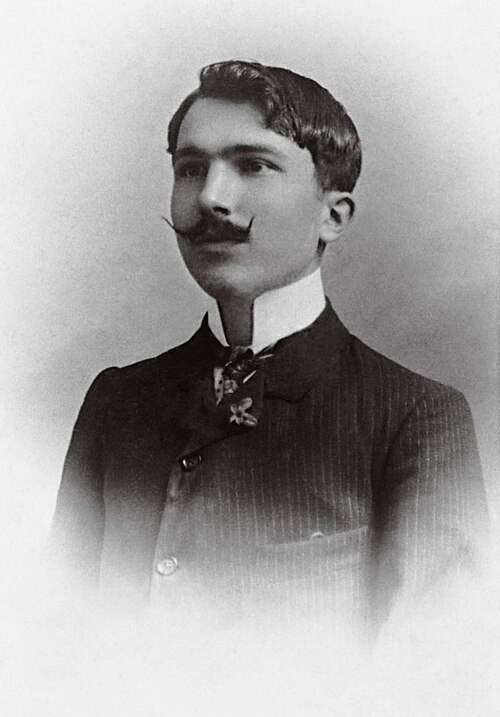
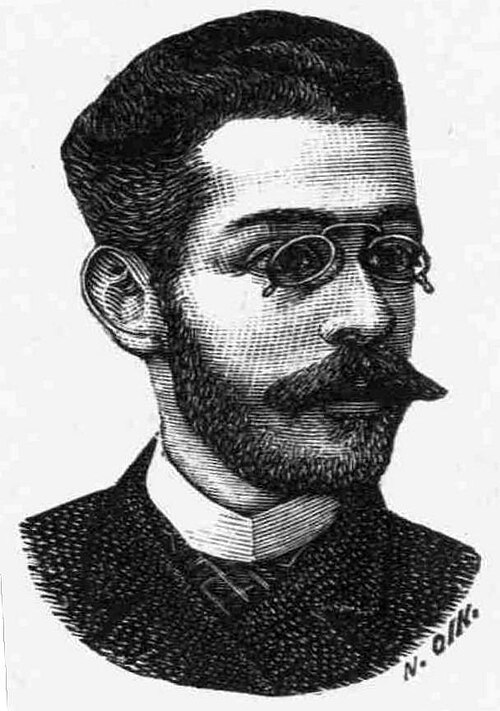
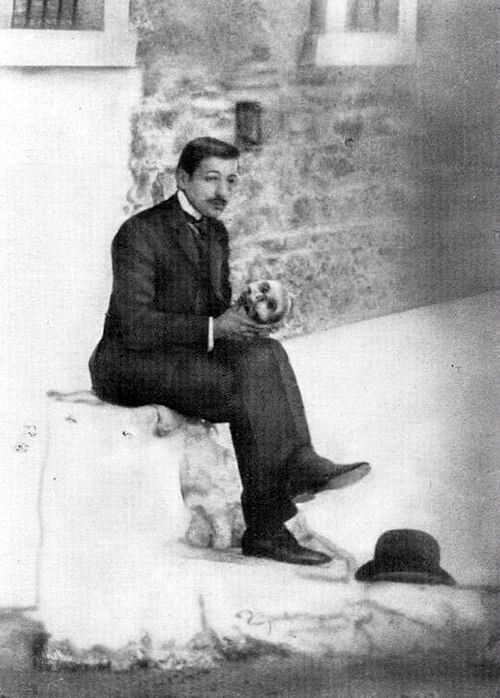
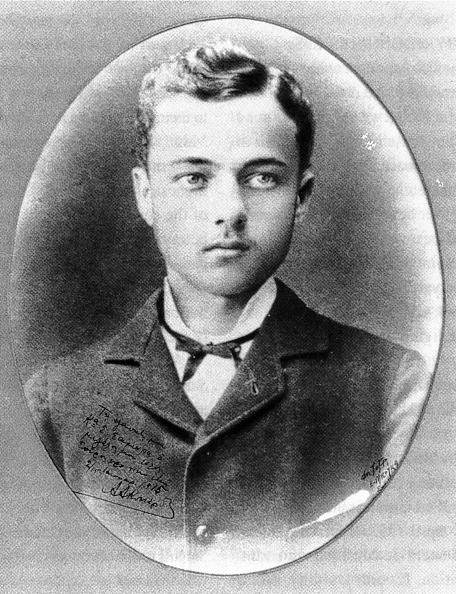
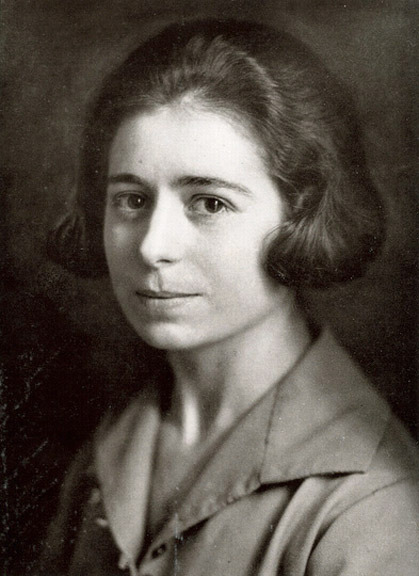
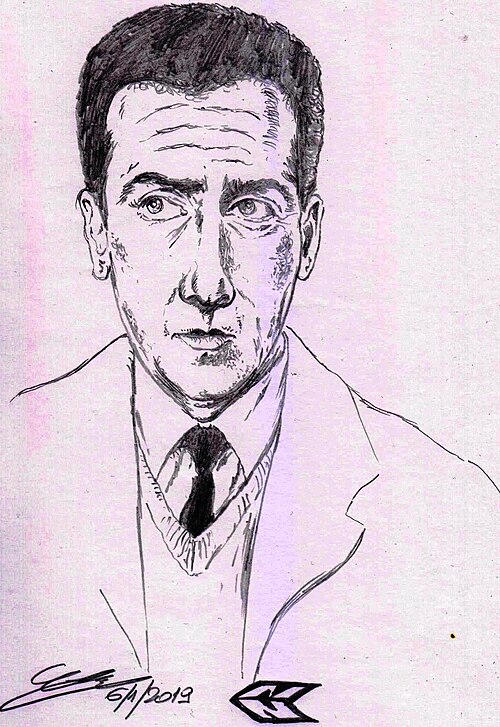
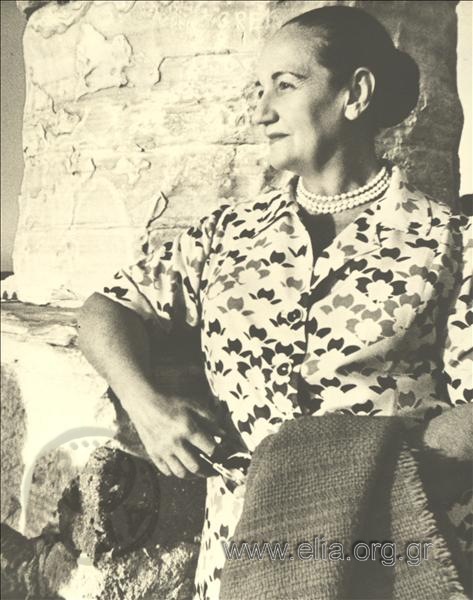
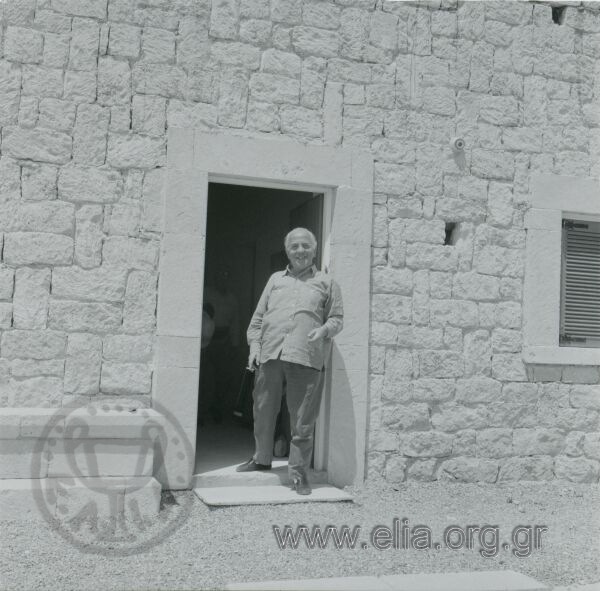
Kostas Ouranis was born in Constantinople, then in the Ottoman Empire, in 1890. He spent his childhood in Leonidio in the Peloponnese and also attended school in Nafplio and Constantinople. In 1910 he left for studies in Europe. Newspaper work made travel a continuing occupation: he reported from Paris and other European cities, including London and Rome. From 1920 to 1924 he served as Greece's consul in Lisbon, then worked as a journalist in Athens. The movement between places supplied material for writing, but also a language for distance and longing.
He published an early collection in 1909 and later rejected it, regarding Spleen (Melancholy, 1912) as his poetic beginning. Νοσταλγίες (Longings) followed in 1920. His prose included the Spanish journeys of Sol y sombra (Sun and Shadow, 1934), Γλαυκοί δρόμοι (Blue-Grey Roads, 1947) and Ταξίδια στην Ελλάδα (Travels in Greece, 1949). He died on 12 July 1953. The posthumous Ποιήματα (Poems, 1953) gathered his poetry, including Αποδημίες (Departures). The ELIA-MIET archive preserves poem manuscripts, correspondence and translations of his work. ERT's documentary series Εποχές και Συγγραφείς (Eras and Writers) later revisited his life and literary journeys, with an archive tribute in 2023.
Works

Ouranis helped make travel experience a subject of modern Greek literary prose. His books offer the impressions of a particular observer: landscapes, architecture and changing moods belong together. They do more than list routes and monuments. Sol y sombra (Sun and Shadow, 1934) takes its title from Spanish, but belongs to his Greek travel writing. His poetry follows another kind of journey, through longing, weariness and the wish to leave. The French title Spleen (Melancholy, 1912) signals the influence of Baudelaire. Νοσταλγίες (Longings, 1920) develops the melancholy voice for which he became known.
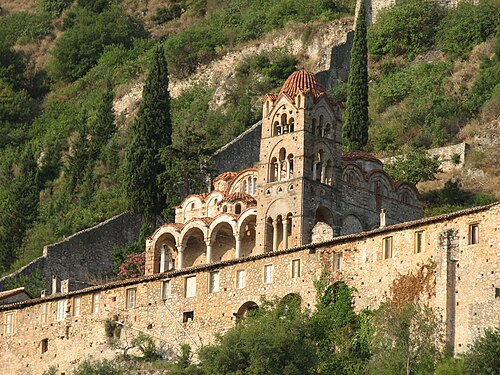
In Ο Μυστράς (Mystras), the spring landscape near Sparta changes how the narrator sees the ruined Byzantine city. Walls, towers and churches seem to recover life through light, flowers and imagination. This is a literary response to a place, with similes and feelings shaping the view. A learner can first notice the past form ήταν (was) in the opening description. Make a simple sentence of your own: Ο λόφος είναι ψηλός (The hill is high). Change it to Ο λόφος ήταν ψηλός (The hill was high). The verb now places the description at an earlier moment. The adapted reading supports this small step before the richer original prose.
Legacy in Greece today
Ouranis remains available through school anthologies, literary archives and ERT's documentary. Open the Ministry of Education anthology page Ο Μυστράς (Mystras). Look at its photograph of the Pantanassa church and find ήταν (was) near the start of the text. Write your own pair: Ο λόφος είναι ψηλός (The hill is high) and Ο λόφος ήταν ψηλός (The hill was high). Underline only the verb that changes. Then describe a different photograph with Είναι μια ανοιξιάτικη μέρα (It is a spring day), and move the sentence into the past with Ήταν μια ανοιξιάτικη μέρα (It was a spring day). The original's images provide a setting for a short, practical description.
Did you know?
- He served as Greece's consul in Lisbon from 1920 to 1924.
- Αποδημίες was included in the posthumous Ποιήματα of 1953.
- His ELIA-MIET archive contains documents in Greek, French, English and Italian.
Key works
| Greek title | Title | Year |
|---|---|---|
| Spleen | Melancholy | 1912 |
| Νοσταλγίες | Longings | 1920 |
| Sol y sombra | Sun and Shadow | 1934 |
| Γλαυκοί δρόμοι | Blue-Grey Roads | 1947 |
| Ταξίδια στην Ελλάδα | Travels in Greece | 1949 |
| Ποιήματα | Poems — posthumous collection | 1953 |
A line to remember
Ο αέρας ήταν αρωματισμένος…
O aéras ítan aromatisménos…
The air was fragrant…