Life
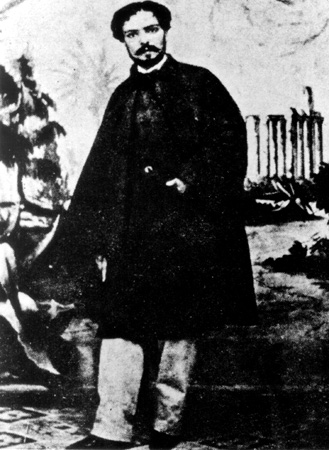
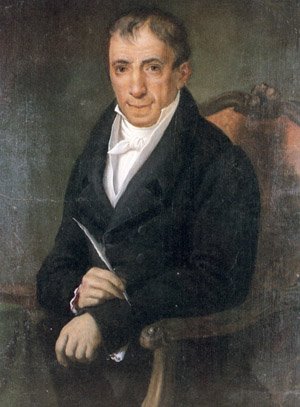
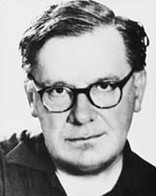
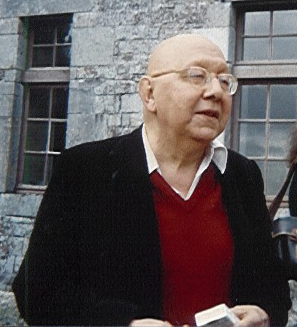
Sachtouris was born in Athens on 29 July 1919. His family was an old one: he was a descendant of Georgios Sachtouris, one of the admirals of Hydra in the War of Independence of 1821. He enrolled in the Law School of the University of Athens in 1937, under pressure from his father, but in 1944, in his fourth year, he burned his law books and gave himself to poetry, a decision that cost him a great deal in comfort and security.
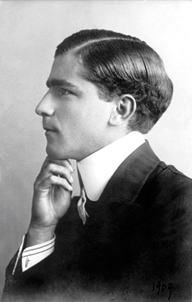
He came of age in the worst years of modern Greek history: the Occupation of 1941–1944, with its famine and executions, and the Civil War that followed. After a booklet of 1941, printed under a pseudonym and later disowned, his first real collection, Η λησμονημένη (The Forgotten Woman), appeared in 1945. In those years he came close to the circle of the Greek surrealists, above all Nikos Engonopoulos and Andreas Embirikos, whose freedom of image encouraged his own, though he was never a member of any movement.
His life afterwards was outwardly uneventful. He lived in Athens, modestly and somewhat apart from literary society, publishing thin books at intervals of a few years, and he was known for his reserve and his gentleness. Recognition came slowly but steadily: younger poets, especially the generation of the 1970s, came to see him as a master, and his work was translated into many languages, into English notably by Kimon Friar (With Face to the Wall, 1968; Selected Poems, 1982). He died in Athens on 29 March 2005.
Works

A poem by Sachtouris is usually short, written in plain everyday words, with almost no adjectives and no rhetoric. Yet what happens in it is strange and often terrifying. The same figures keep appearing: bleeding birds, wounded angels, frightened children, empty houses, the sun turned red, a knock at the door. The images follow one another with the logic of a dream, and the reader is never told what they mean.
Critics have called his world a world of nightmares, and it is impossible not to see in it the shadow of the 1940s: hunger, violence, fear, the knock at the door at night. But Sachtouris never describes history directly. He transforms it into myth, into recurring figures, the forgotten woman, the stranger, the dead child, the bleeding sun, that return from book to book.
The titles alone trace this landscape: Η λησμονημένη (The Forgotten Woman, 1945), Παραλογαίς (Ballads, 1948), named after the παραλογές, a kind of Greek folk ballad, Με το πρόσωπο στον τοίχο (With Face to the Wall, 1952), Τα στίγματα (Stigmata, 1962), Το σκεύος (The Vessel, 1971) and Εκτοπλάσματα (Ectoplasms, 1986). His economy of means, the way a few common words can open onto horror or tenderness, influenced many younger poets.
Legacy in Greece today
Sachtouris is less famous with the general public than Seferis, Elytis or Ritsos, and no popular songs made his poems household words. But among poets and serious readers his standing is very high, and his poems appear in every anthology of modern Greek poetry and in university courses on post-war literature. His collected poems are kept in print, and a reader can work through them in a few evenings. A good way in is to read a handful of poems from Με το πρόσωπο στον τοίχο aloud, slowly, and notice how few words he needs. Then compare them with the surrealist poems of Engonopoulos, his friend and elder.
Did you know?
- He was a descendant of Georgios Sachtouris, an admiral of Hydra in the Revolution of 1821.
- He won a State Prize for Τα στίγματα in 1962 and the First State Prize for Poetry for Εκτοπλάσματα in 1987.
- His books are very thin; some of his most famous poems are only a few lines long.
- He was close to the Greek surrealists but never joined their movement.
Key works
| Greek title | Title | Year |
|---|---|---|
| Η λησμονημένη | The Forgotten Woman | 1945 |
| Παραλογαίς | Ballads | 1948 |
| Με το πρόσωπο στον τοίχο | With Face to the Wall | 1952 |
| Τα στίγματα | Stigmata | 1962 |
| Το σκεύος | The Vessel | 1971 |
| Εκτοπλάσματα | Ectoplasms | 1986 |
A line to remember
Με το πρόσωπο στον τοίχο
Me to prosopo ston toicho
With face to the wall