Life
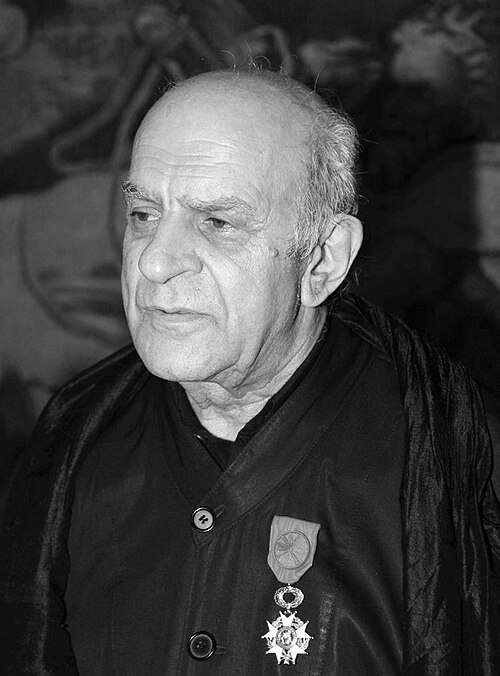
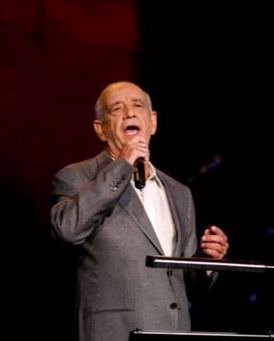
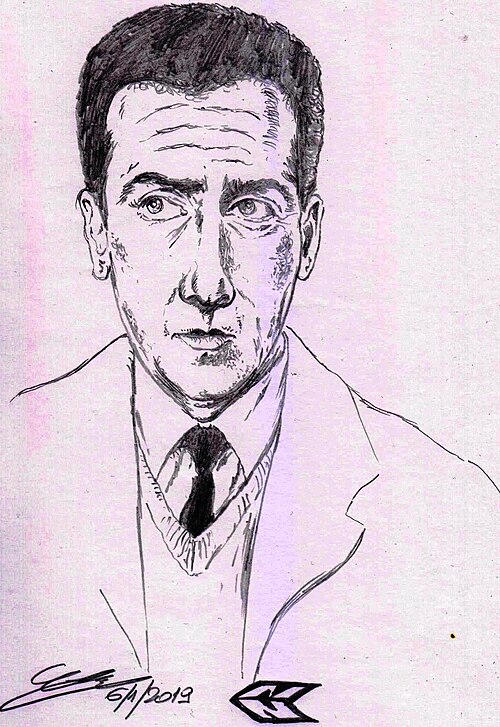
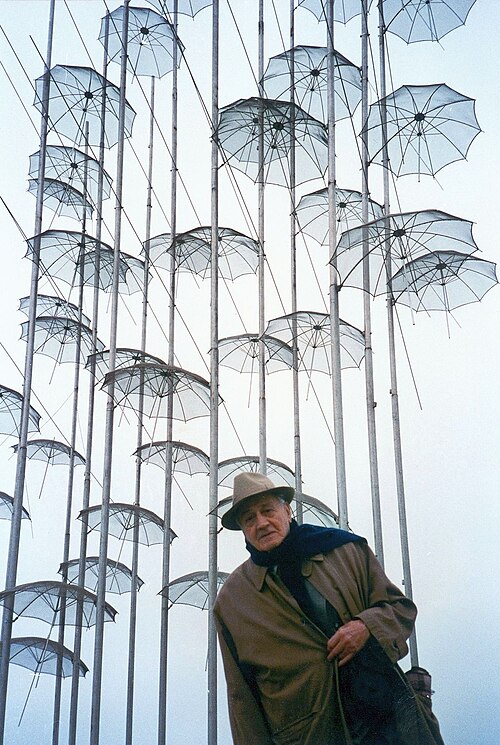
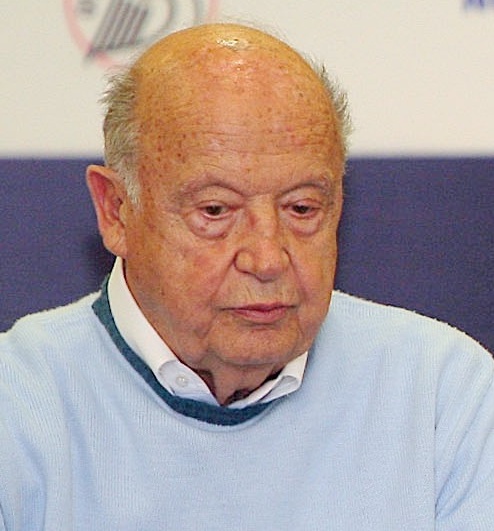
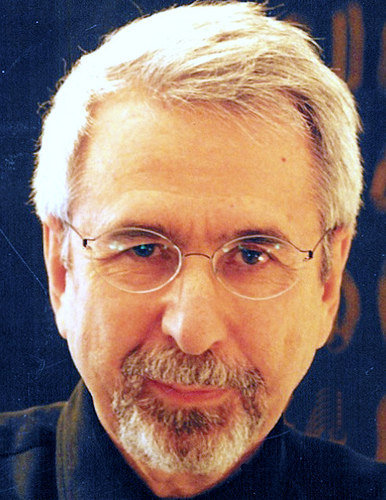
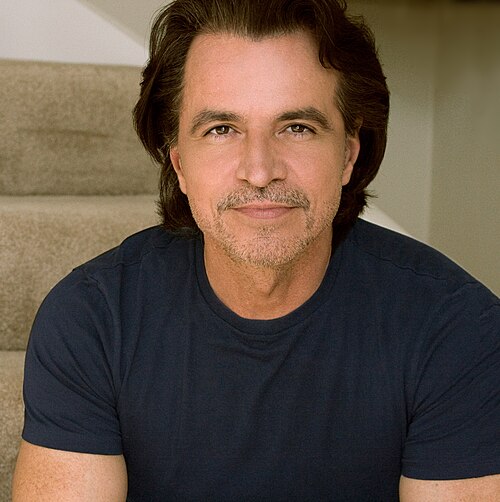
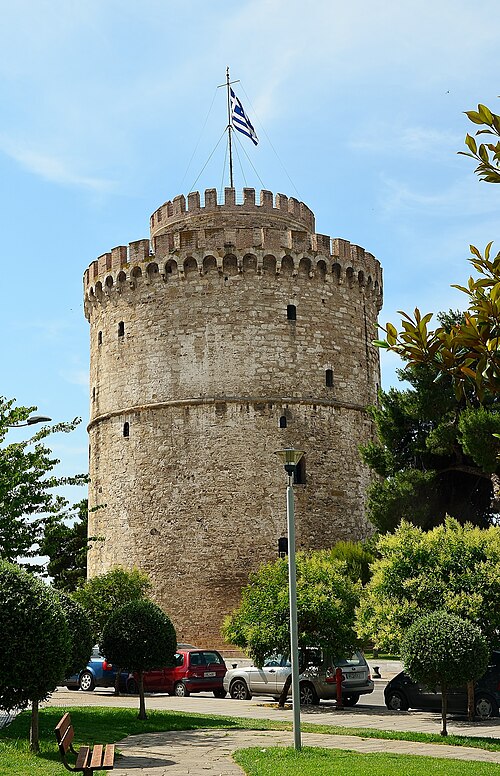
Dimitris Dimitriadis was born in Thessaloniki in 1944. He went to Brussels in 1963 to study theatre and cinema at INSAS with a Belgian government scholarship. There he wrote his first play in French in 1966: Η τιμή της ανταρσίας στην μαύρη αγορά (The Price of Rebellion on the Black Market). Patrice Chéreau staged it at the Théâtre de la Commune in Aubervilliers in 1968. Professional translation became part of his work from 1971. His first prose work, Πεθαίνω σαν χώρα (Dying as a Country), appeared in 1978, followed by the poetry sequence Κατάλογοι 1–4 (Catalogues 1–4, 1980) and the play Η νέα εκκλησία του αίματος (The New Church of Blood, 1983).
His writing subsequently travelled between Greek and European stages. In 2010, the Odéon in Paris devoted a programme to his work, including the world premiere of Ο κυκλισμός του τετραγώνου (The Circle of the Square), directed by Giorgio Barberio Corsetti. In October 2013, Onassis Stegi presented its Greek premiere under Dimitris Karantzas, alongside readings of other works. His translations also shaped productions: for Stegi's Μακμπέθ (Macbeth) in 2012, he supplied the Greek translation, while Thomas Moschopoulos directed. This career joins original literary writing with the practical work of bringing other authors into Greek.
Works

Dimitriadis works across prose, poetry and drama, treating language as something that can disturb the boundaries of a person or a community. Πεθαίνω σαν χώρα (Dying as a Country, 1978) is a prose text that has repeatedly become material for the stage. The Κατάλογοι (Catalogues) form a continuing poetic undertaking. In his plays, myth can enter the present: Φαέθων (Phaethon), presented in a directed reading at Onassis Stegi in 2013, brings the conflict between a son and his father, the Sun, into a contemporary setting.
Ο κυκλισμός του τετραγώνου (The Circle of the Square) uses turns, reversals and repetitions to explore desire and frustration. The Greek production's programme describes eleven characters of different generations and genders who share a need to be loved. Such writing asks the audience to listen closely to the movement of speech. Translation is another part of this attention to language: his authors include Genet, Molière, Shakespeare and Euripides. For a beginner, the credits of a production provide a smaller written entry point. In Μακμπέθ (Macbeth), Shakespeare is the original English-language author, Dimitriadis the Greek translator and Moschopoulos the director. Reading those roles is a manageable task alongside the adapted Greek passage here.
Legacy in Greece today
Dimitriadis's work continues through performances, translations and theatre research. The Municipal Theatre of Piraeus presented Μνήμη | Λήθη (Memory – Oblivion) in its 2025–2026 season, while university theatre departments document his writing. For a practical Greek task, open Onassis's Greek page for the 2012 Μακμπέθ (Macbeth). Find Μετάφραση and Σκηνοθεσία in the credits. Match them to Dimitriadis and Thomas Moschopoulos, then add Shakespeare as the original author. Write three sentences with έγραψε, μετέφρασε and σκηνοθέτησε, using a different name in each. Read them aloud as a short introduction to the production. This practises useful past-tense verbs and distinguishes three jobs that a theatre programme records.
Did you know?
- His first play was written in French, before its 1968 production by Patrice Chéreau.
- Πεθαίνω σαν χώρα began as prose and has repeatedly reached the stage.
- The 2012 Macbeth programme credits him for translation and Thomas Moschopoulos for direction.
Key works
| Greek title | Title | Year |
|---|---|---|
| Η τιμή της ανταρσίας στην μαύρη αγορά | The Price of Rebellion on the Black Market (written in French) | 1966 |
| Πεθαίνω σαν χώρα | Dying as a Country | 1978 |
| Κατάλογοι 1–4 | Catalogues 1–4 | 1980 |
| Η νέα εκκλησία του αίματος | The New Church of Blood | 1983 |
| Μακμπέθ (ελληνική μετάφραση) | Macbeth (Greek translation for Stegi production) | 2012 |
| Ο κυκλισμός του τετραγώνου | The Circle of the Square (Greek edition) | 2013 |
A line to remember
Οι λέξεις χωρίζουν την πραγματικότητα, την κομματιάζουν.
I léxeis chorízoun tin pragmatikótita, tin kommatiázoun.
Words divide reality, they break it into pieces.