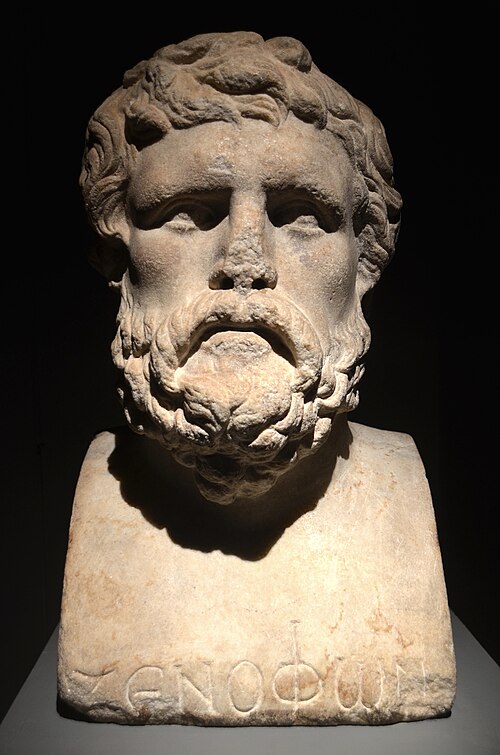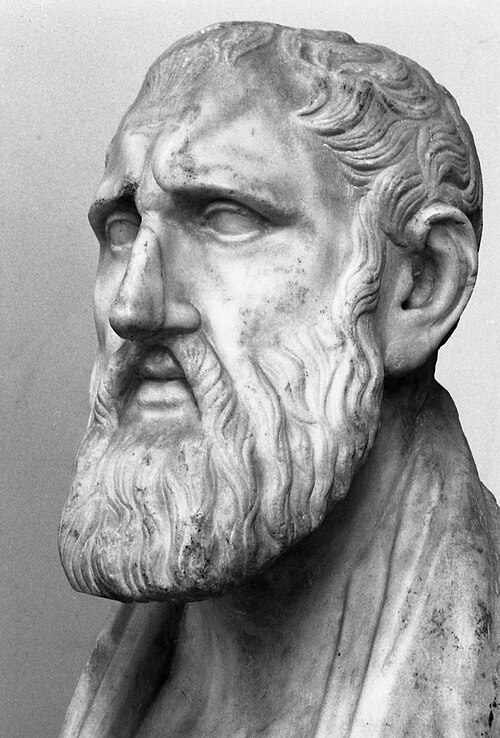
Life
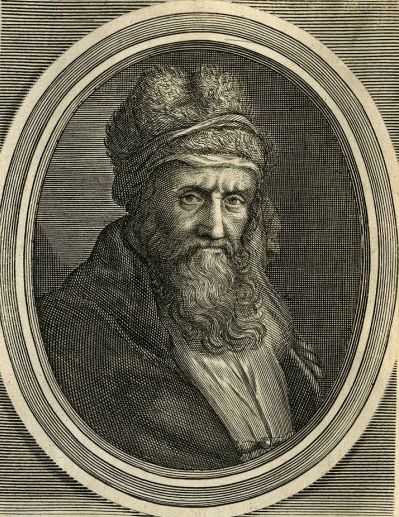
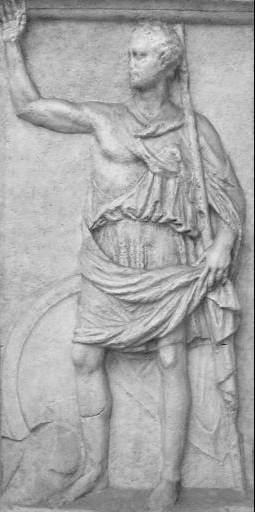
Zeno was born in Citium, ancient Kition on Cyprus, near modern Larnaca. His dates are usually placed around 334/333 to 262/261 BC, although the ancient chronological accounts do not agree completely. The name “of Citium” is essential: it distinguishes the founder of Stoicism from Zeno of Elea, who lived earlier and is remembered for arguments about motion. A geographical label can therefore prevent a whole philosophical biography from being attached to the wrong person.
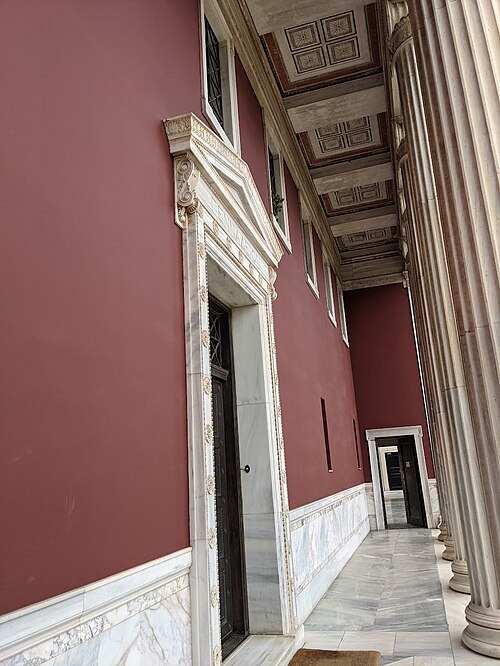
Zeno came to Athens and studied with teachers including Crates, associated with the Cynic tradition. He later taught at the Stoa Poikile, the Painted Portico, near the Athenian Agora, and his followers took their name from that place. Much of the narrative comes from Diogenes Laertius, writing centuries later and combining earlier biographies, sayings and documents. His account includes a decree honouring Zeno for teaching and conduct, as well as memorable anecdotes. These materials deserve different weights: a reported joke is not the same kind of evidence as an attributed title or an institutional honour. Zeno's life connects Cyprus, Athens and a school whose ideas were developed further by later thinkers.
Works

Zeno's books are lost as complete works. Diogenes Laertius preserves a list including Πολιτεία (Republic), Περὶ τοῦ κατὰ φύσιν βίου (On Life according to Nature), Περὶ παθῶν (On Emotions) and Περὶ καθήκοντος (On Appropriate Action). These are attested titles, not four books that a learner can simply download and read. Their individual dates are unknown; placing them in a precise sequence would invent evidence. The table groups them within his period of activity.
The ethical tradition connected with Zeno asks what makes a life good and coherent. Living according to nature involves reason and the order of life, rather than merely enjoying the countryside. Virtue and appropriate action matter more than a public performance of toughness. Later Stoics developed a large philosophical tradition, so every familiar modern “Stoic” slogan should not be attributed automatically to its founder. The quotation about two ears and one mouth is transmitted as a saying of Zeno by Diogenes Laertius. It offers a memorable lesson about listening, but it is a later report, not a surviving page in Zeno's hand. Reading him requires both philosophical curiosity and a clear account of how the words reached us.
Legacy in Greece today
Zeno gives a Greek learner an exercise in listening before speaking. Compare the ancient ὦτα with modern αυτιά, and notice that στόμα remains familiar. Listen to a short Greek conversation twice, first without answering, then write one accurate sentence about what the other person said. Add a question before giving your opinion. This turns the transmitted saying into a concrete language habit without claiming it is a complete Stoic doctrine. For another activity, find στοά in a Greek description of Athens and explain how a building name became a school name. Keep “Diogenes Laertius reports that…” beside the quotation to practise responsible attribution as well as Greek vocabulary.
Did you know?
- The Stoic name comes from a portico, στοά.
- His complete books have not survived.
- Diogenes Laertius reports the saying about ears and mouth.
- Zeno of Citium is not Zeno of Elea.
Key works
| Greek title | Title | Year |
|---|---|---|
| Πολιτεία | Republic (lost) | late 4th–early 3rd c. BC (undated) |
| Περὶ τοῦ κατὰ φύσιν βίου | On Life according to Nature (lost) | late 4th–early 3rd c. BC (undated) |
| Περὶ παθῶν | On Emotions (lost) | late 4th–early 3rd c. BC (undated) |
| Περὶ καθήκοντος | On Appropriate Action (lost) | late 4th–early 3rd c. BC (undated) |
A line to remember
δύο ὦτα ἔχομεν, στόμα δὲ ἕν
In today's GreekΈχουμε δύο αυτιά, αλλά ένα στόμα.
dyo ota echomen, stoma de hen
We have two ears, but one mouth.