Life
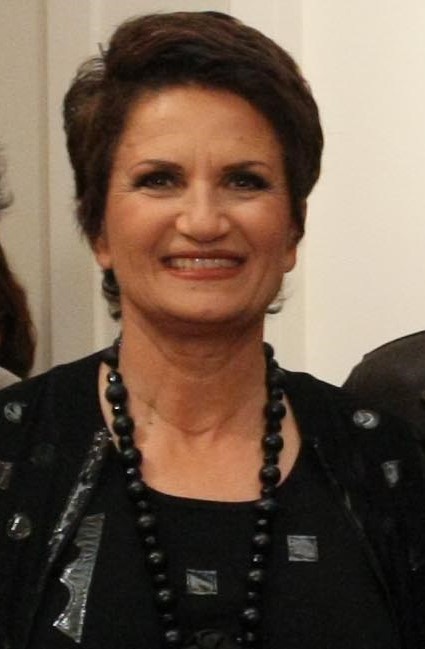
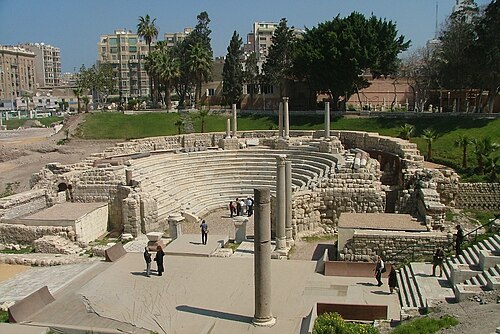
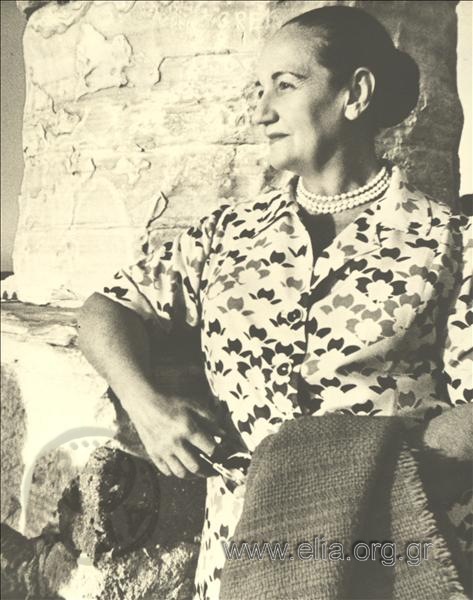
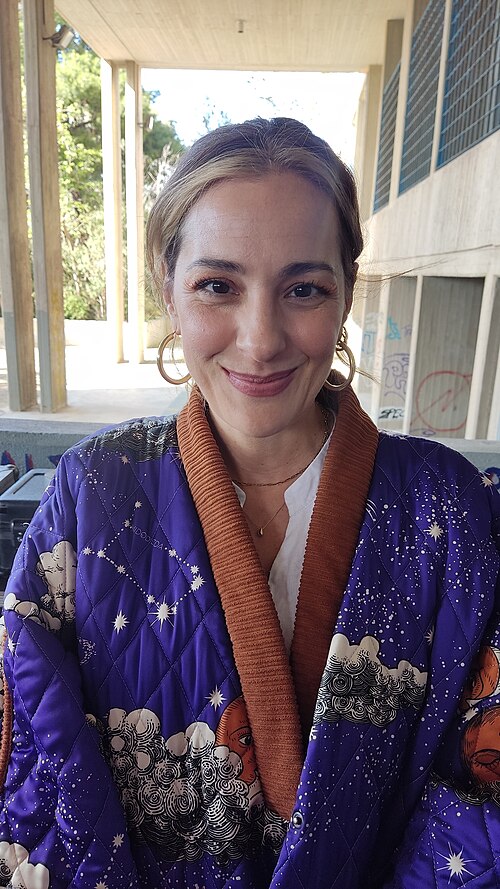
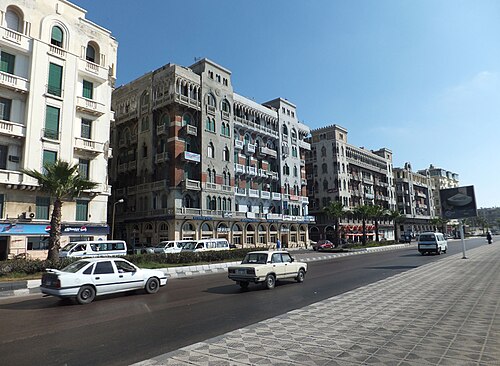
Evgenia Fakinou was born in Alexandria, Egypt, in 1945 and grew up in Athens. She studied graphic arts and trained as a tourist guide, then worked as a graphic designer for magazines. In 1975 she created Ντενεκεδούπολη (Tin City), an object theatre made from discarded containers and other ordinary materials. Giving these objects movement and speech made a small stage into a place for questions about community and power. In a 2025 interview she recalled writing five plays performed between 1975 and 1981. The project belongs to the cultural changes following Greece’s dictatorship, when children’s theatre could address political questions through imaginative forms.
Her first novel, Αστραδενή (Astradeni), appeared in 1982. Although its central character is a girl, Fakinou has explained that she did not write it as an adolescent novel. She subsequently built an extensive body of fiction for adults alongside her earlier illustrated books and theatre. Η μέθοδος της Ορλεάνης (The Orleans Method) received the Readers’ Prize in 2005. Φιλοδοξίες κήπου (Garden Ambitions), published in 2007, received the State Short Story Prize for 2008. Her fiction has travelled in translation, while its Greek voices preserve differences between generations, places and the things people imagine but cannot easily say.
Works

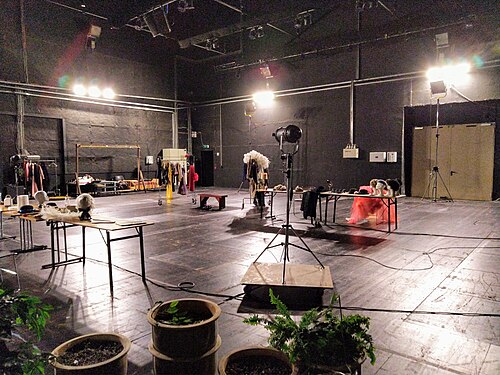
In Ντενεκεδούπολη (Tin City), discarded tins form a community whose encounters make power, cooperation and resistance visible. Object theatre changes how an audience looks at something usually thrown away. The National Theatre of Northern Greece returned to this material in Στη Ντενεκεδούπολη (In Tin City), a 2011 production combining object theatre, black theatre and animation. Its programme credits Fakinou’s writing and Giannis Markopoulos’s music. The continuity between story, material and performance helps explain the work’s place beyond its original small stage.
Αστραδενή (Astradeni) approaches migration within Greece through a girl moving from Symi to Athens with her family. School, work and unfamiliar expectations make the move more than a change of address. Το έβδομο ρούχο (The Seventh Garment, 1983) connects three generations of women with historical memory and myth. The stories of Φιλοδοξίες κήπου (Garden Ambitions, 2007) bring figures such as Iphigenia, Ariadne and Robinson Crusoe into new conversations. Γράμματα στη Χιονάτη (Letters to Snow White, 2020) centres on a woman in an abandoned village and a mysterious silent girl. Fakinou lets reality and imagination coexist. For a learner, her object theatre provides a concrete first step before attempting these more demanding narrative voices.
Legacy in Greece today
Fakinou’s object theatre continues through productions such as the National Theatre of Northern Greece’s Στη Ντενεκεδούπολη (In Tin City). Open that theatre’s presentation of the 2011 production and find άδεια (empty) in its description of the tins. Then draw a container and its lid on paper. Give your imagined puppet a new name and a two-line conversation. For everyday Greek practice, empty a container of buttons: Το κουτί είναι άδειο (The container is empty). Put them back: Το κουτί είναι γεμάτο (The container is full). Both άδειο and γεμάτο match the neuter noun κουτί. Describe your drawing to a partner and explain which object you need next. The exercise links theatrical imagination to language useful at home.
Did you know?
- She worked as a graphic designer for magazines.
- Ντενεκεδούπολη (Tin City) used discarded objects as performers.
- In 2025 she clarified that Αστραδενή (Astradeni) was not written as an adolescent novel.
Key works
| Greek title | Title | Year |
|---|---|---|
| Ντενεκεδούπολη — αντικειμενοθέατρο | Tin City — object theatre | 1975 |
| Αστραδενή | Astradeni | 1982 |
| Το έβδομο ρούχο | The Seventh Garment | 1983 |
| Η μέθοδος της Ορλεάνης | The Orleans Method | 2005 |
| Φιλοδοξίες κήπου | Garden Ambitions | 2007 |
| Γράμματα στη Χιονάτη | Letters to Snow White | 2020 |
A line to remember
Η γραφή παρηγορεί αλλά δεν επουλώνει τα τραύματα.
I grafí parigorí allá den epoulóni ta trávmata.
Writing consoles but does not heal wounds.