Life
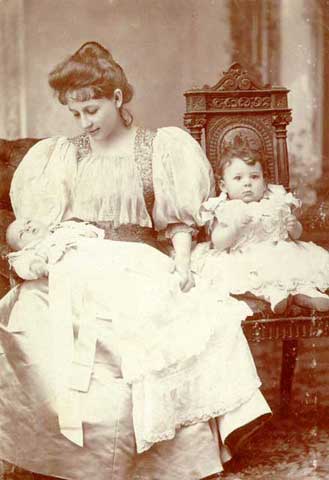
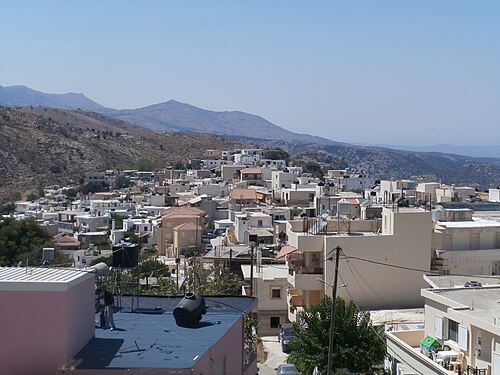
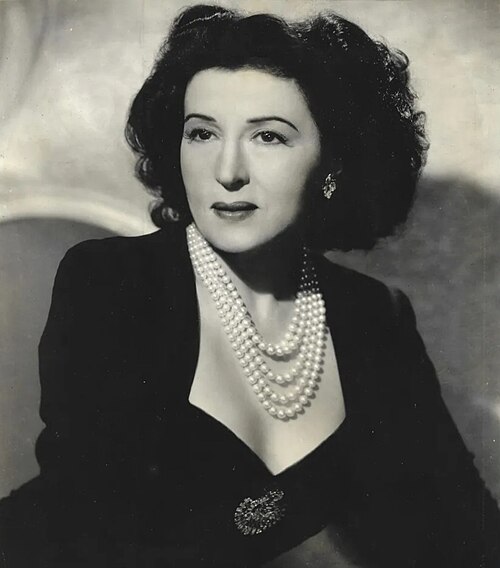
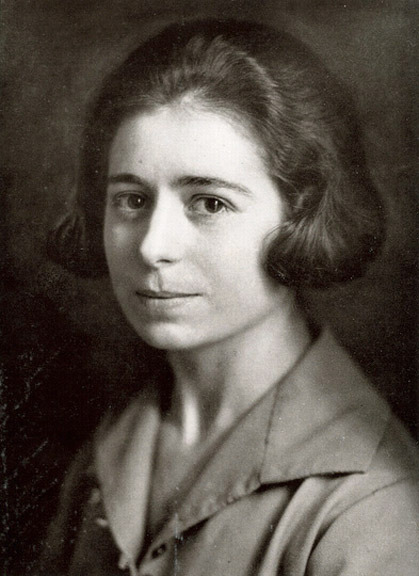
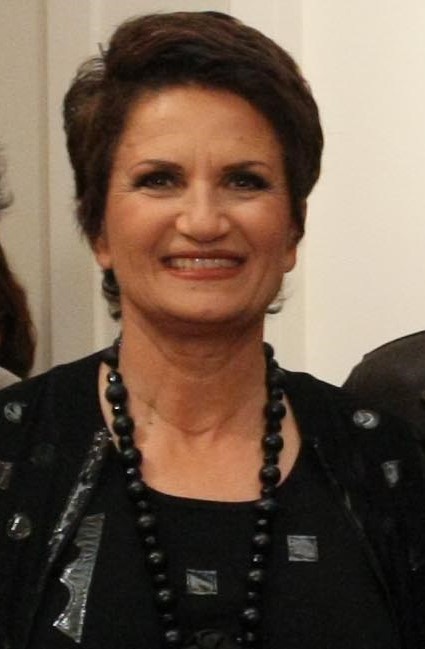
Rena Kyriakou was born in Heraklion on 25 February 1917. On 31 December 1923, aged six, she appeared at the Parnassos hall in Athens with a programme of her own compositions. Her early public identity therefore joined playing and writing music. Studies in Vienna and Paris developed both abilities.
She entered the Paris Conservatoire in 1930, studying piano with Isidor Philipp and receiving training in harmony and composition. Her teachers included Henri Büsser. She won the conservatoire’s first piano prize and began an international performing career. Works of her own appeared alongside established repertoire, sometimes as encores. Later, recording projects for Vox gave particular attention to Mendelssohn, Chabrier and Albéniz, as well as Soler and Field.
In 1943 she performed the solo part in the premiere of her Piano Concerto, Op. 18, with the Athens State Orchestra under Theodoros Vavayannis. She played it again in Geneva in 1954 under Jean Meylan. Her musical life also included teaching and jury work. She died in Moschato in August 1994. Archival collections at the Historical Museum of Crete and the Lilian Voudouri Music Library preserve scores and documents that allow her performing and composing careers to be studied together.
Works

Kyriakou’s catalogue includes small piano works with sharply different titles and characters: Tango and Kloster (Monastery), both dated 1928; Les cloches (The Bells) and Burlesque No. 2, dated 1935; and Perpetuum Mobile (Perpetual Motion), from 1940. These pieces show that composition accompanied her development at the keyboard. Her Piano Concerto, Op. 18, expands the scale to a dialogue between soloist and orchestra.
The published score dates the concerto to 1938–1940. Its first performance followed in 1943. Modern research examines its changing textures and the balance between piano and orchestra, alongside the conditions faced by a woman composing in Greek musical life. Later performers, including Efi Agrafioti, have returned to it. Agrafioti’s recollections of Kyriakou illuminate teaching focused on the search for sound.
Kyriakou’s recordings preserve her interpretations of other composers. Vox’s Chabrier releases include short piano pieces such as Aubade and Caprice, with Kyriakou explicitly credited as pianist. A listener can follow contrasts of motion, volume and silence without words. Her own manuscripts and these commercial recordings offer complementary encounters: one with music she created, the other with music she interpreted through touch, pacing and phrasing.
Legacy in Greece today
Greek archives, scholarship and performances keep Kyriakou’s two careers visible. Her scores can be explored through the Music Library’s digital repository, while credited recording catalogues identify the pieces she played. For a short Greek task, choose her Chabrier track Aubade or Caprice and listen to two brief sections. Use the adapted passage to note tempo, loudness and a pause. Then write two simple comparisons with πιο αργός and πιο δυνατός, using ο ρυθμός and ο ήχος as subjects. Read your own sentences aloud and explain your choices. This is Greek description supported by instrumental listening; the piano itself supplies no spoken Greek.
Did you know?
- Born in Heraklion on 25 February 1917.
- Played her own compositions at Parnassos in Athens on 31 December 1923.
- Premiered her Piano Concerto with the Athens State Orchestra in 1943.
- Her archives are held in Heraklion and at the Lilian Voudouri Music Library in Athens.
Key works
| Greek title | Title | Year |
|---|---|---|
| Τάνγκο (Tango) | Tango | 1928 |
| Μοναστήρι (Kloster) | Monastery | 1928 |
| Οι καμπάνες (Les cloches) | The Bells | 1935 |
| Μπουρλέσκα αρ. 2 (Burlesque No. 2) | Burlesque No. 2 | 1935 |
| Κοντσέρτο για πιάνο και ορχήστρα, έργο 18 | Concerto for Piano and Orchestra, Op. 18 (composition) | 1938–1940 |
| Αεικίνητο (Perpetuum Mobile) | Perpetual Motion | 1940 |
A line to remember
Θέλω να γεννήσω ήχους και να τους στείλω να πετάξουν.
Thélo na genníso íchous kai na tous stílo na petáxoun.
I want to give birth to sounds and send them flying.