Life
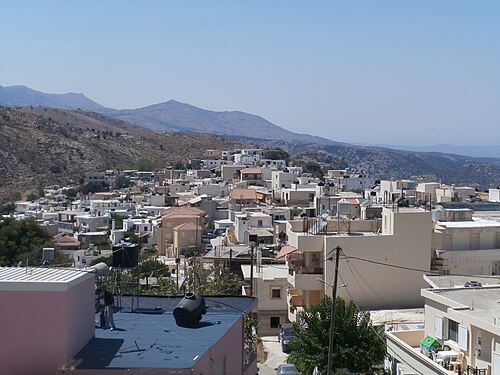
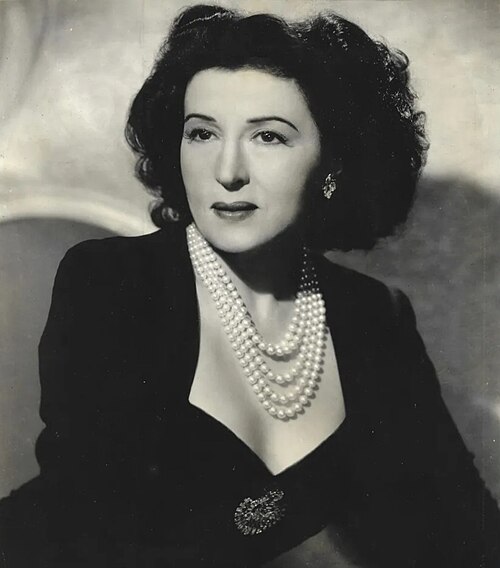
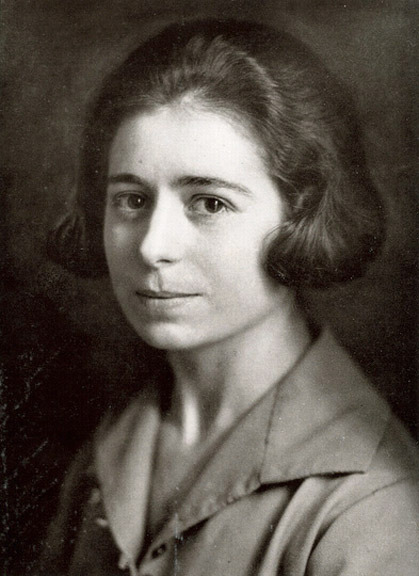
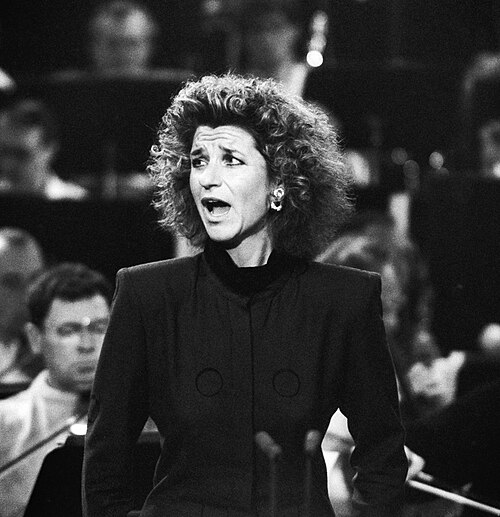
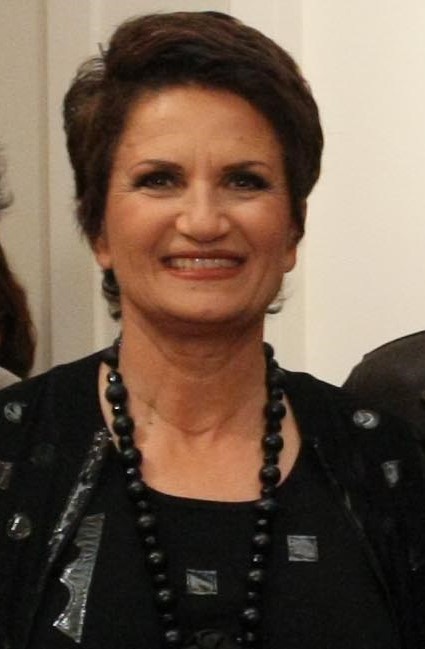
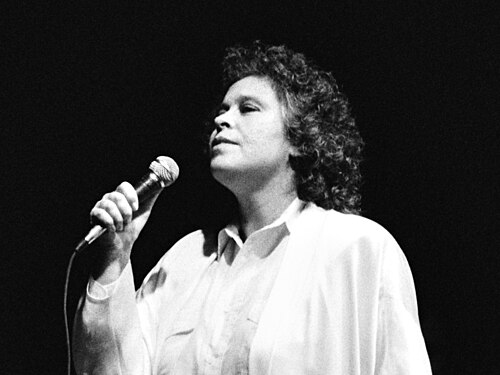
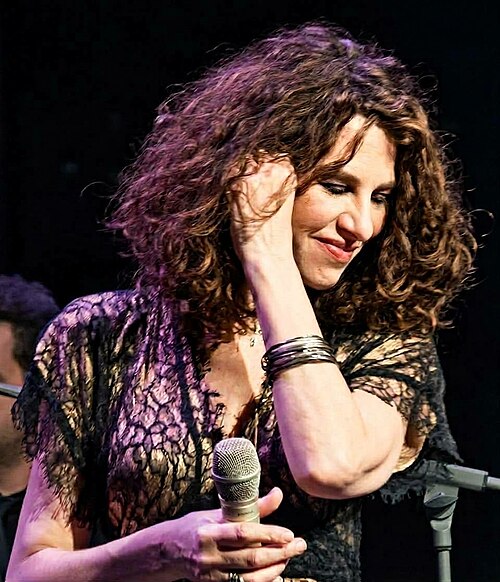
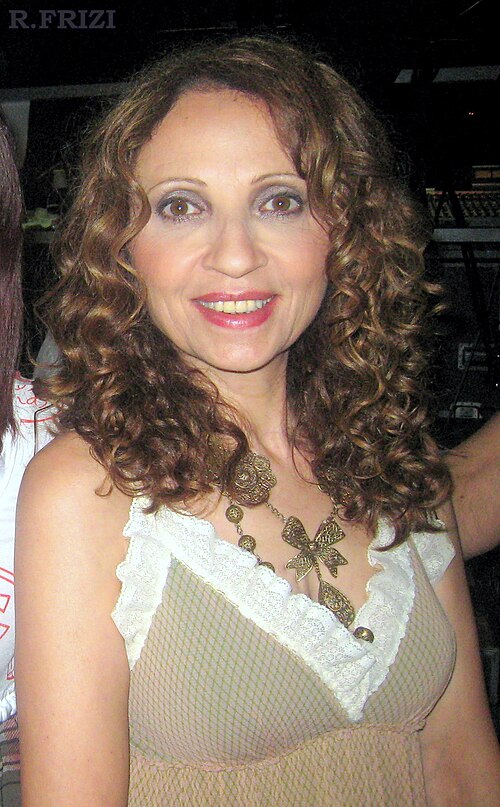
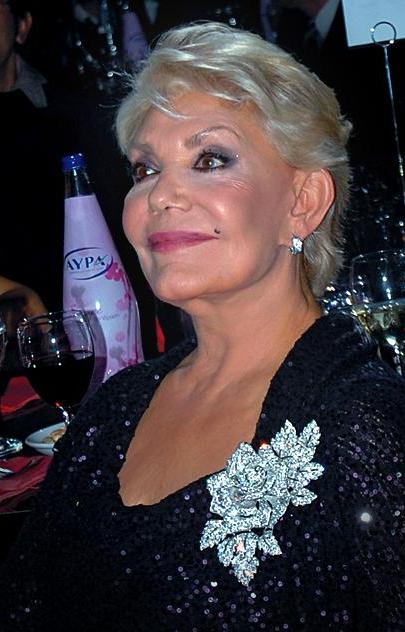
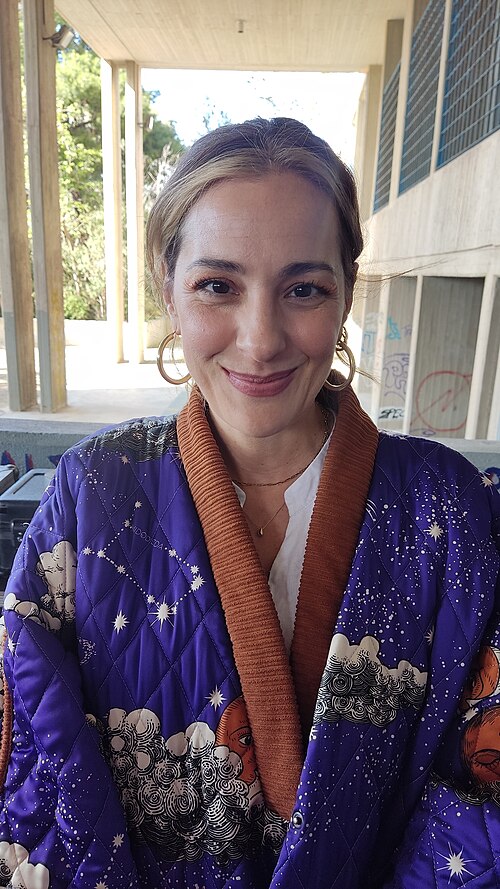
Lena Platonos was born in Heraklion on 21 October 1951 and grew up in Athens. She began playing piano as a child and pursued musical studies in Vienna and Berlin. After returning to Greece, she worked with ERT’s Third Programme under Manos Hadjidakis. Her contributions to Εδώ Λιλιπούπολη (This Is Lilipoupoli) belonged to a collective radio project whose songs connected composition, imaginative characters and Greek words.
Σαμποτάζ (Sabotage), released in 1981, brought her together with lyricist Marianina Kriezi and singers Savina Yannatou and Giannis Palamidas. Καρυωτάκης: 13 τραγούδια (Karyotakis: Thirteen Songs) followed in 1982, with Yannatou singing the settings. Μάσκες ηλίου (Sun Masks, 1984), Γκάλοπ (Gallop, 1985) and Λεπιδόπτερα (Lepidoptera, 1986) then established a distinctive electronic body of work.
Her later projects continued to connect composition with texts and other performers. In 2010 she released settings of Cavafy with Palamidas; Stergios Tsirliagkos shared the arrangements. The 2015 international reissue of Gallop introduced older recordings to new listeners. That year she also presented an English-language Emily Dickinson song cycle at Onassis Stegi. In March 2024, Τα παραδοξιακά (The Tradoxicals), with Stergios T., combined traditional songs and electronic instruments. These different collaborations show a career moving between composed song, poetry, radio and experimentation.
Works

Platonos treats the voice as more than a melody carrier. Speech, changing vocal colours, electronic pulses and quiet intervals can shape a track together. Her 1980s recordings developed these possibilities with analog instruments. In a 2021 interview, she described recording a duck in the Netherlands and using that sound in Διάλειμμα το Σάββατο (Saturday Break), from Sun Masks. An ordinary sound could become part of a composed world.
Gallop includes scenes and figures drawn from everyday life as well as imaginative transformations. The track Τι νέα ψιψίνα; (What’s New, Kitty?) offers a familiar question in its title, yet the complete piece is experimental artistic speech rather than a model everyday conversation. A learner can isolate the short expression and examine pauses without assuming that every phrase will be immediately clear.
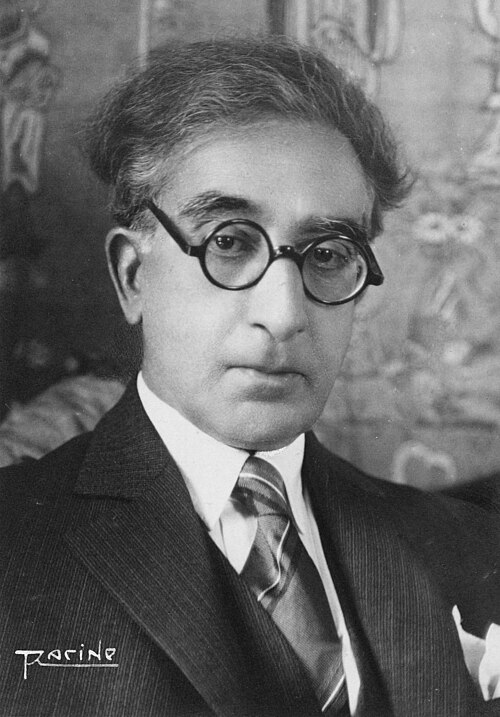
Her poetry settings involve other voices and demanding texts. Savina Yannatou sings Karyotakis; Giannis Palamidas performs the Cavafy settings, with electronic and electric sound around the poems. These are musical readings of Greek poetry. Her Emily Dickinson cycle, presented in 2015, uses English words instead. Naming that language matters when choosing listening material. Across these projects, the relationship between a written word, its spoken shape and its musical surroundings remains a concrete way to approach her work.
Legacy in Greece today
Find the official audio release Τι νέα ψιψίνα; from Gallop on the Greek Songs channel. Read the title and take just Τι νέα; (“What’s new?”). Once the voice enters, listen to a short section and mark one pause; then stop and ask the question in your own calm, everyday voice. Give a simple reply, such as Καλά, εσύ; Compare the spoken question with the recording’s rhythm rather than trying to copy the entire artistic delivery. The A2 reading supplies ήχος, ομιλία and παύση for describing this difference. ERT’s archive also offers a 2010 interview with historical performance clips. For Greek practice, choose Greek-language recordings specifically; Platonos has also set English poetry.
Did you know?
- Savina Yannatou sings the 1982 Karyotakis settings.
- Gallop was originally released in 1985; its international Dark Entries reissue followed in 2015.
- Giannis Palamidas performs the 2010 Cavafy settings, arranged by Platonos and Stergios Tsirliagkos.
Key works
| Greek title | Title | Year |
|---|---|---|
| Σαμποτάζ | Sabotage | 1981 |
| Καρυωτάκης: 13 τραγούδια | Karyotakis: Thirteen Songs | 1982 |
| Μάσκες ηλίου | Sun Masks | 1984 |
| Γκάλοπ | Gallop | 1985 |
| Λεπιδόπτερα | Lepidoptera | 1986 |
| Καβάφης: 13 τραγούδια | Cavafy: Thirteen Songs | 2010 |
A line to remember
Άκουσα μια πάπια στην Ολλανδία και τη μαγνητοφώνησα.
Akousa mia papia stin Ollandia kai ti magnitofonisa.
I heard a duck in the Netherlands and recorded it.