Life
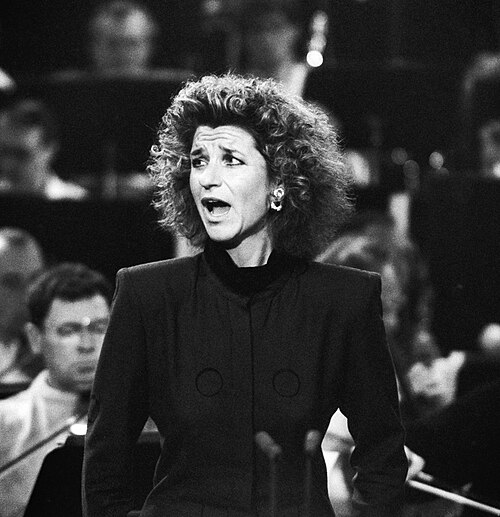
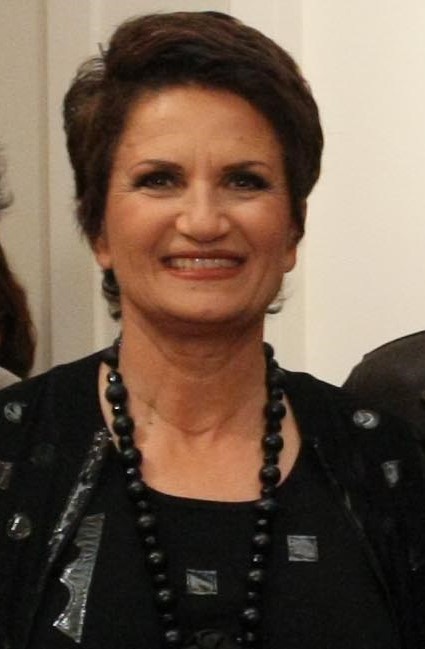
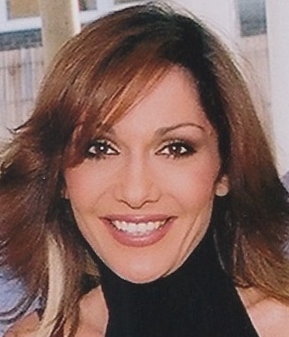
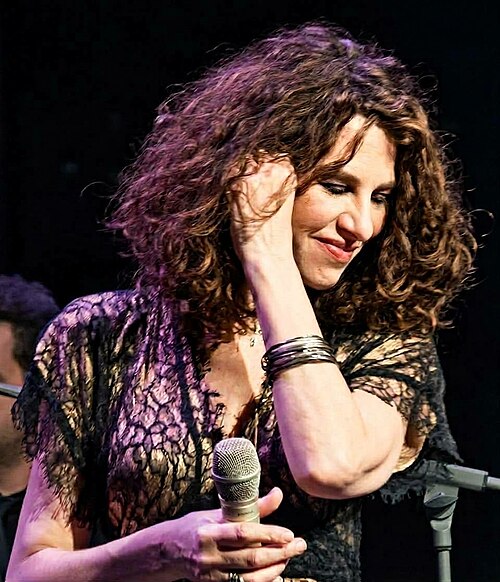
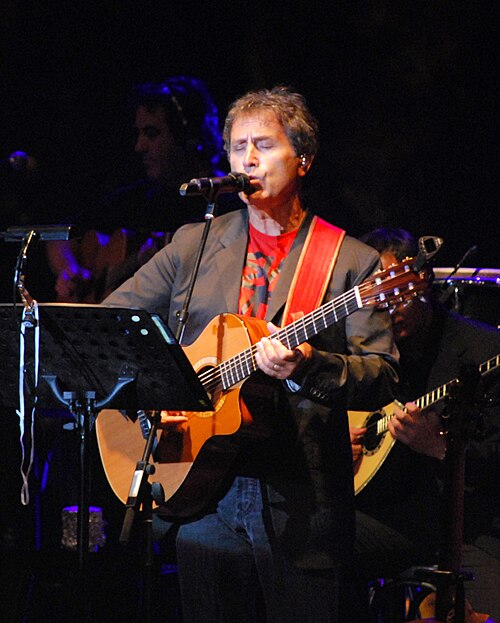
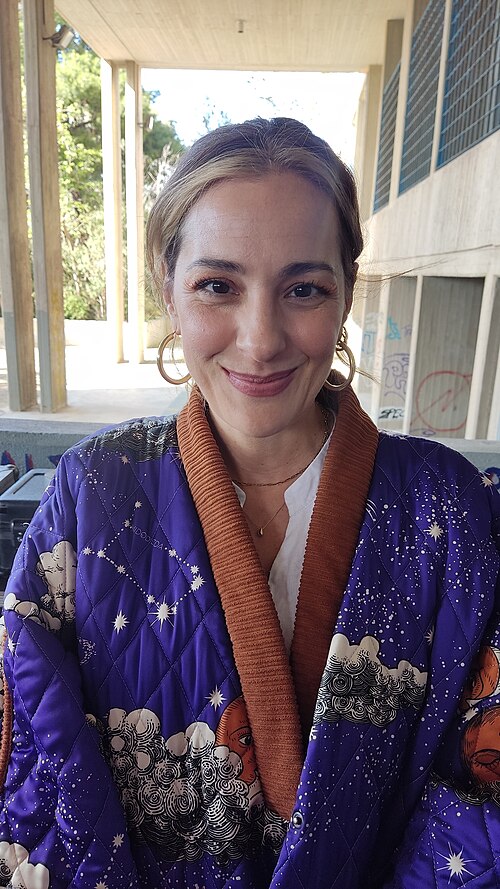
Dimitra Galani began studying guitar and music theory as a child. Her official biography dates her first recording participation to 1968, on Ένα χαμόγελο (A Smile), with music by Dimos Moutsis and lyrics by Nikos Gatsos. During the following decades, composers including Stavros Xarchakos, Manos Hadjidakis and Vassilis Tsitsanis wrote for her voice. These collaborations brought her into different branches of Greek song rather than a single musical school.
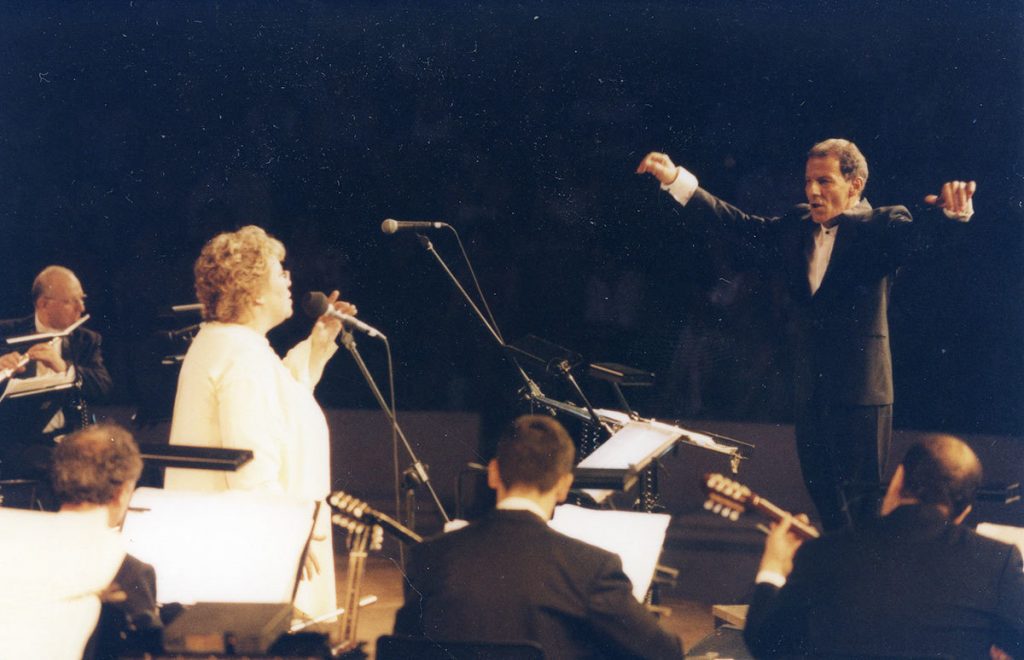
Concerts took her to Greek communities in North America and to European venues. She lived in Paris from 1981 to 1983 and performed internationally. Her work with Eleni Karaindrou included singing the title song for Tonia Marketaki’s Η τιμή της αγάπης (The Price of Love). She also developed a parallel career composing music, including songs performed by other singers.
In 1991, Φως presented a complete album of her music with Karasoulos’s lyrics. A three-month seminar at Berklee College of Music in Boston followed in 1996. Later projects paired her with younger musicians, including Vassilikos and the Chronos quartet. In a June 2026 interview, she described Greek language and care for its expressive richness as central to her artistic purpose.
Works

Galani’s work joins interpretation with composition. On Φως (Light, 1991), the melodies are hers and the words are by Paraskevas Karasoulos. The familiar Δυο μέρες μόνο (Only Two Days) comes from this partnership. A singer’s name on a recording does not identify every songwriter: the distinction matters when following her large collaborative repertoire.
PIXEL (2009) gave established songs new arrangements through encounters with a younger generation of creators. Αλλιώς (Otherwise, 2014) reunited her with Karasoulos, with music by Chrysostomos Mouratoglou, Jun Miyake and Galani. Το βαλς των χαμένων μετά (The Waltz of Lost Afters, 2016) has music by Efstathios Drakos and lyrics by Nikos Moraitis. Her contribution changes from project to project: performer, composer, collaborator or producer.
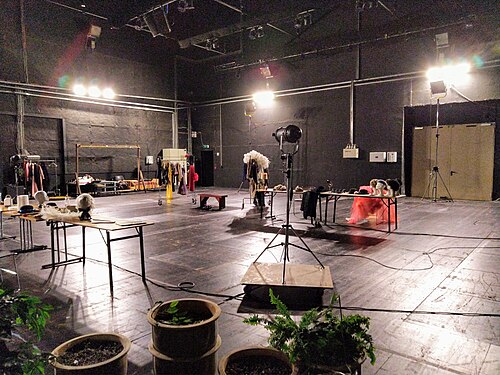
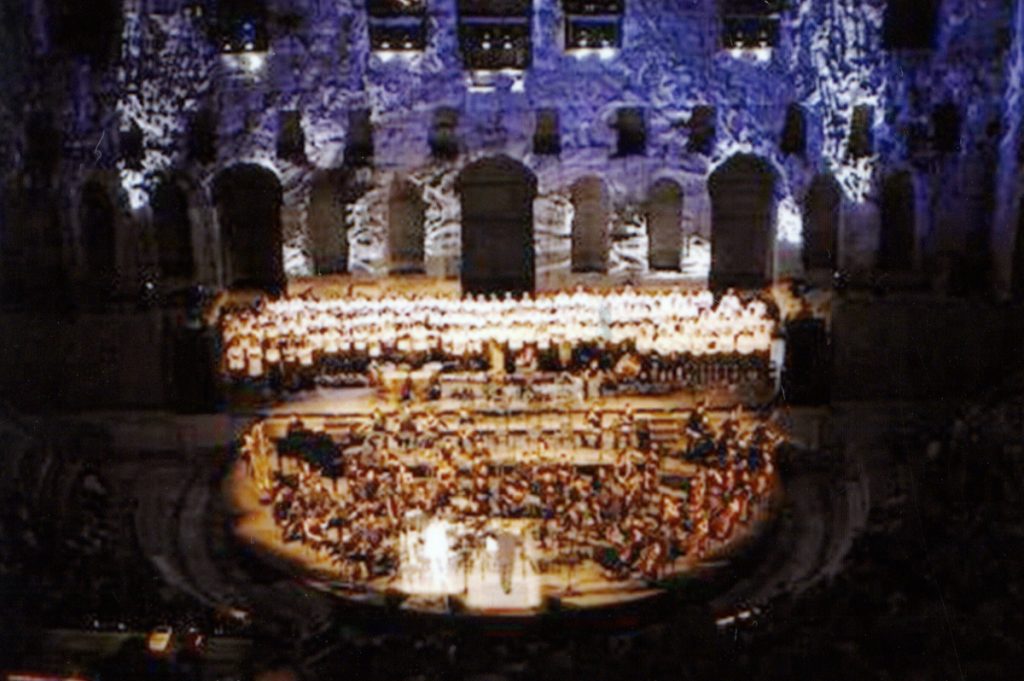
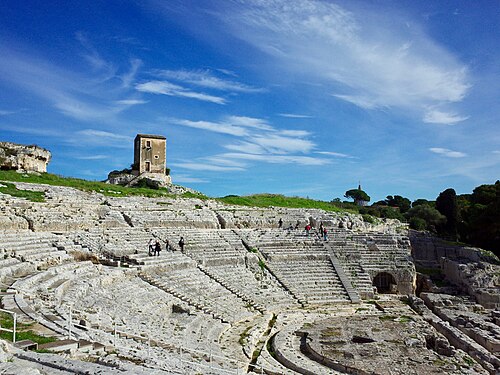
Chronos, presented at the Little Theatre of Ancient Epidaurus in 2015, brings a small ensemble to the Greek song repertoire. Double bass, oud, piano and vibraphone create another setting for familiar melodies. Her theatre music offers a different discipline again. For the National Theatre of Northern Greece’s Η δολοφονία του Μαρά (The Murder of Marat, 2020), she composed within a dramatic text and a director’s framework. Her interview comparison of music to water concerns this need to give musical abundance a clear shape.
Legacy in Greece today
Galani’s recordings let listeners follow Greek songs across different arrangements and generations of musicians. Her official artist channel offers a later video of Δυο μέρες μόνο; the video’s recording and upload dates should be distinguished from the song’s appearance on Φως in 1991.
Read the title, then listen briefly and recognise δυο μέρες, “two days”. Say an original travel sentence: Μένω εδώ δύο μέρες, “I’m staying here for two days”. Change μέρες to ώρες, “hours”, and say it again at a normal speaking pace. This small duration exercise uses a memorable title without requiring comprehension of the whole song. The adapted reading supplies the words and a model for your own sentence.
Did you know?
- Her official biography dates her first recording participation to 1968, on Ένα χαμόγελο.
- She wrote the music of Φως; Paraskevas Karasoulos wrote its lyrics.
- Her 1996 Berklee studies were a three-month seminar, not a degree programme.
- Chronos combines her voice with double bass, oud, piano and vibraphone.
Key works
| Greek title | Title | Year |
|---|---|---|
| Ένα χαμόγελο | A Smile — recording participation | 1968 |
| Φως | Light | 1991 |
| PIXEL | Pixel | 2009 |
| Αλλιώς | Otherwise | 2014 |
| Το βαλς των χαμένων μετά | The Waltz of Lost Afters | 2016 |
A line to remember
η μουσική είναι σαν το νερό
i mousikí eínai san to neró
Music is like water.