Life
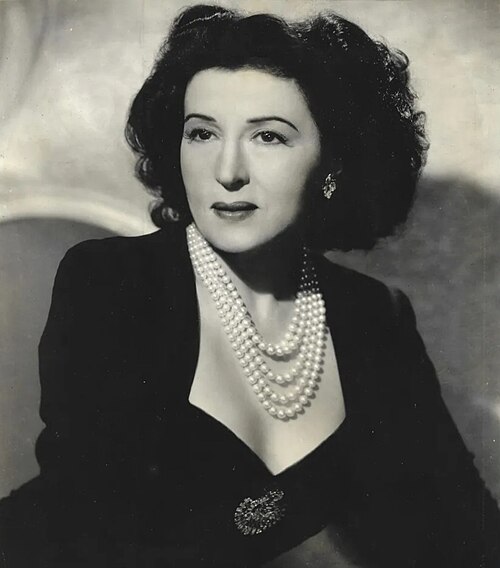
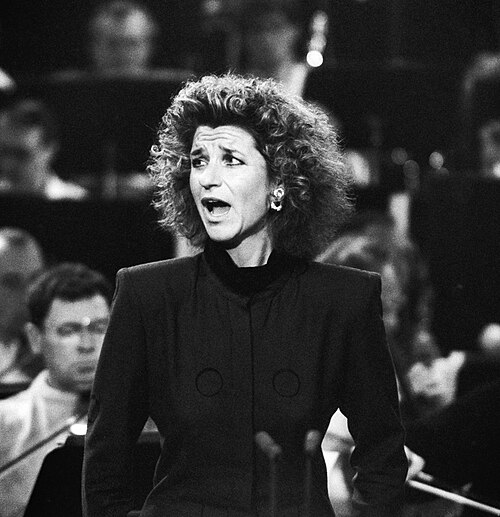
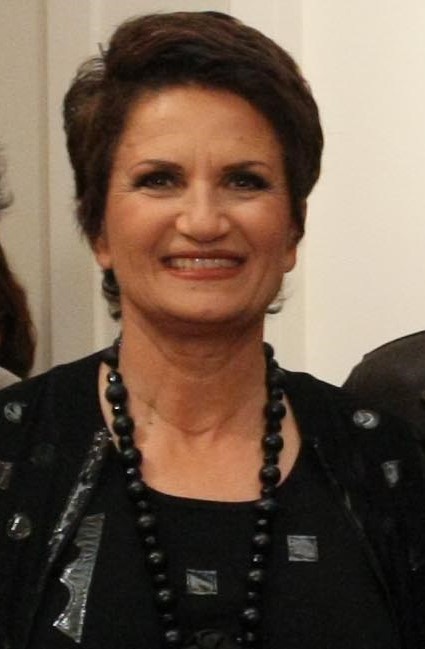
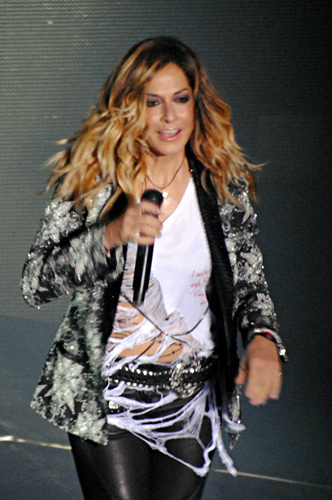
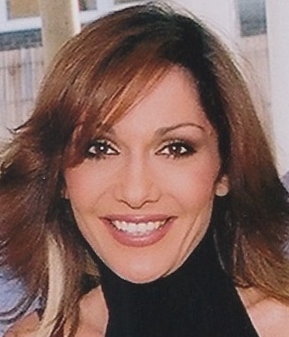
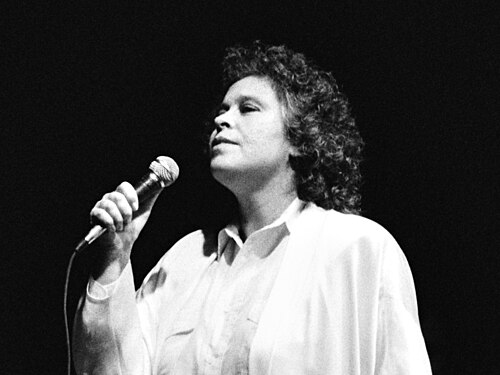
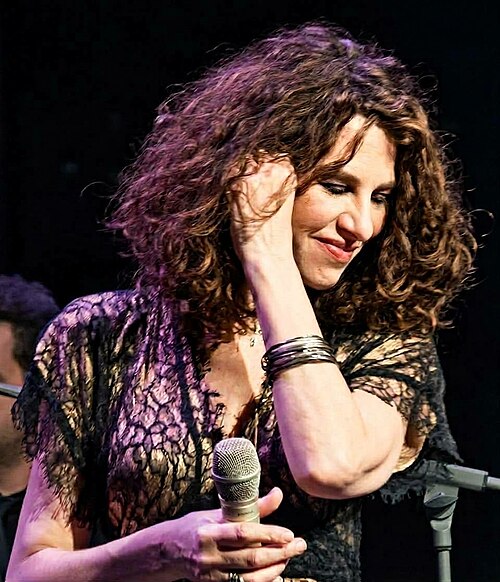
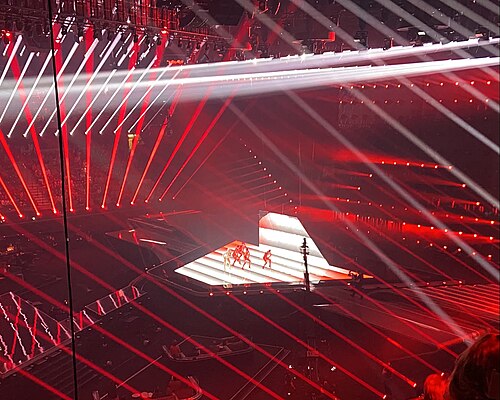
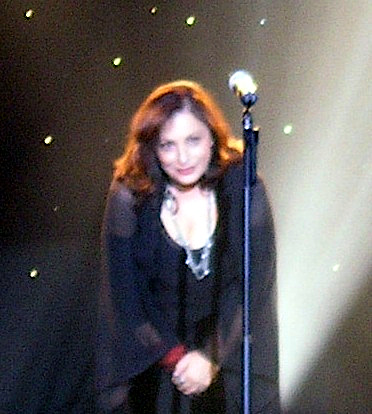
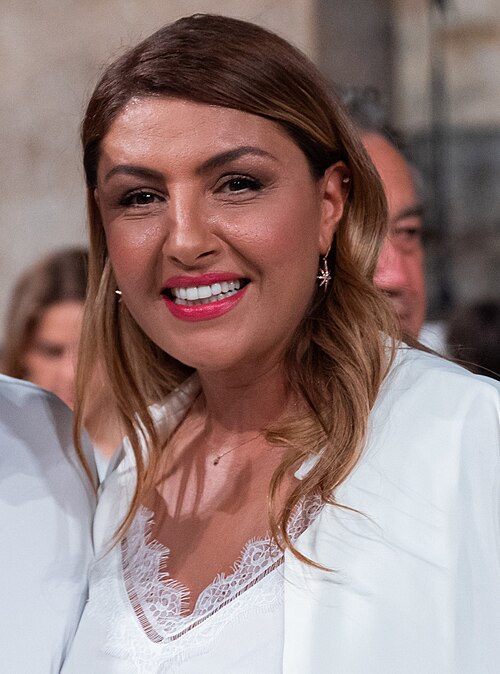
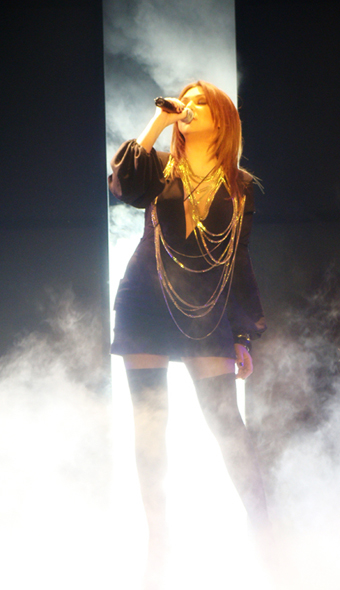
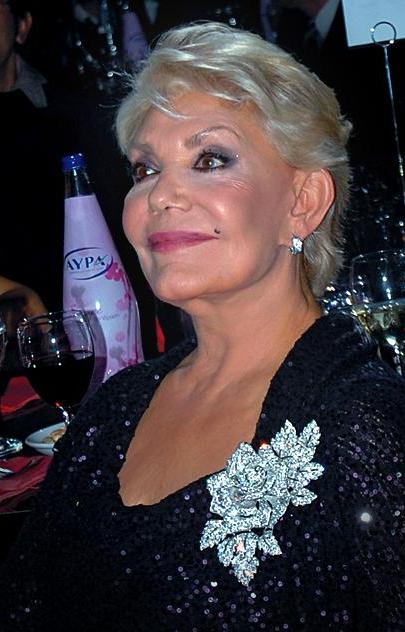
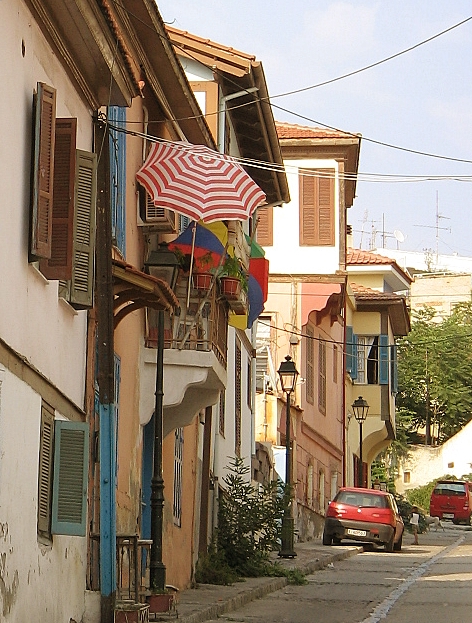
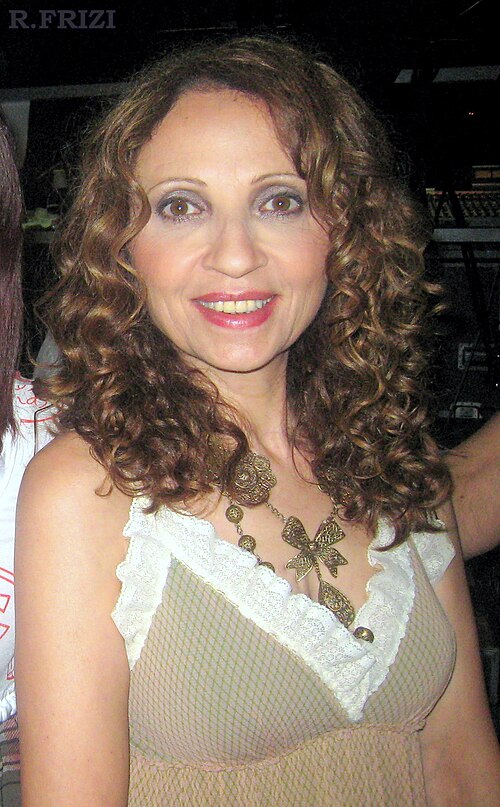
Glykeria Kotsoula was born in 1953 in Agio Pnevma, a village near Serres in northern Greece. Traditional music formed part of her early musical surroundings. She began working professionally in 1974 in Athens, including the small music venues of Plaka. These were places where a singer worked close to listeners rather than at the distant end of a large stadium. Her early recording work included the 1978 album Μην κάνεις όνειρα (Do Not Dream), with songs by Apostolos Kaldaras.
In 1980 she released Στα μάτια κοίτα με (Look Me in the Eyes), with music by Stelios Fotiadis. Σμυρνέικα (Songs of Smyrna) followed in 1981, bringing older repertoire to contemporary record listeners. Her live work at the Athens venue Omorfi Nychta became another landmark, documented in a 1983 recording. Later releases continued alongside concerts, including Ακολούθησα ένα αστέρι (I Followed a Star) in 2017. Her career also reached audiences outside Greece; in a 2017 interview she discussed recordings for Israel in Greek and in Hebrew. A learner can follow this history through changes of place and audience while keeping track of the language of each recording.
Works

Glykeria’s repertoire brings several kinds of Greek song into the same listening space. Laiko is the urban popular song heard on records and in live venues; rebetiko and songs associated with Smyrna add older histories and musical colours. These categories overlap, but they are not interchangeable names for every traditional song. Her recordings let a listener hear older material through a contemporary voice rather than only through an archival recording. Σμυρνέικα is especially useful for noticing this movement between inherited repertoire and a new performance.
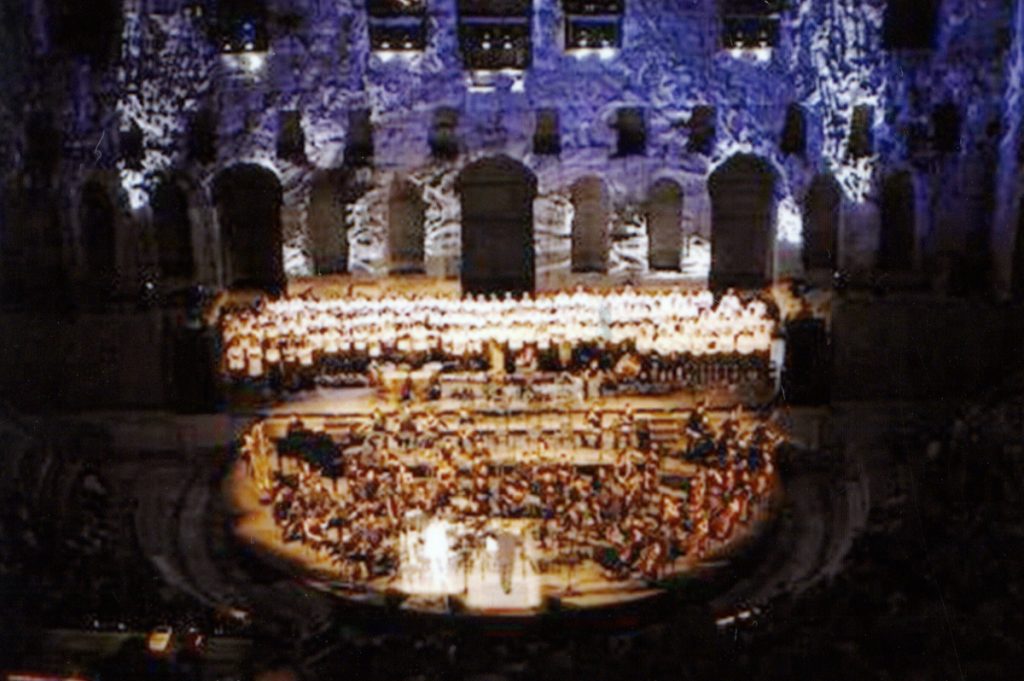
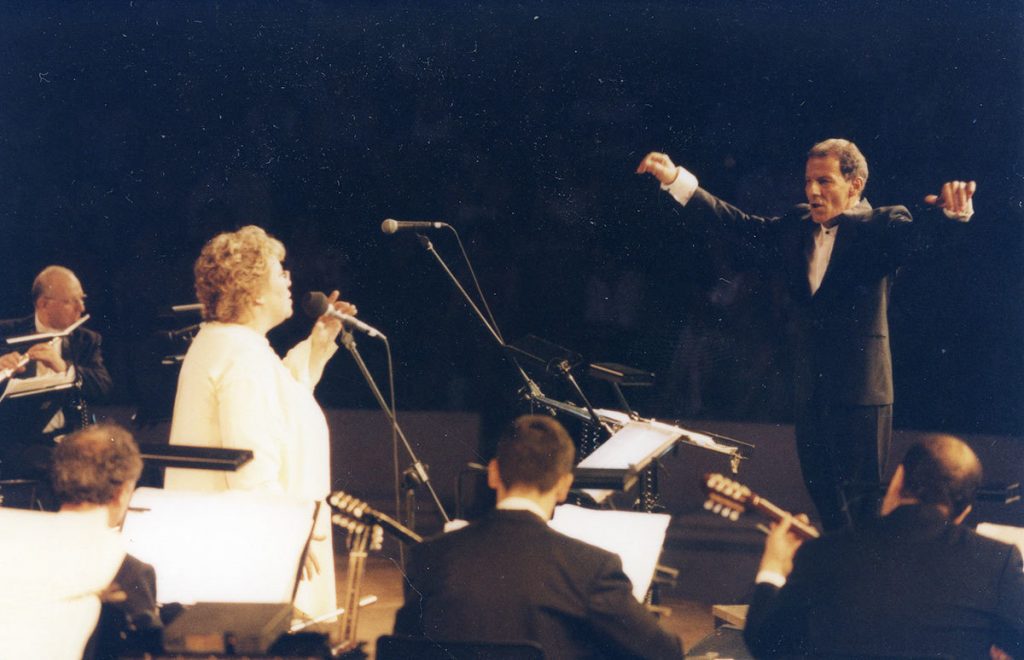
Her live recordings make another part of the work audible: the shared evening in which one song follows another and the audience responds. The singer’s phrasing, the accompaniment and the atmosphere all shape the words. A learner can start with the title Στα μάτια κοίτα με (Look Me in the Eyes): μάτια means “eyes”, while κοίτα με is a short request to look at the speaker. Longer songs may contain older expressions or unfamiliar vocabulary, so begin with one recognisable phrase. Her recordings in Hebrew belong to a different language and should be identified separately. The cultural connection lies in performance and exchange; Greek practice comes from the Greek words actually sung.
Legacy in Greece today
Glykeria offers a way into Greek that people sing together as well as speak. Open an official recording of Στα μάτια κοίτα με and listen for μάτια. Compare the singular το μάτι with the plural τα μάτια, then say κοίτα εδώ, “look here”, and κοίτα με, “look at me”. Next choose a Greek track from Σμυρνέικα and identify one familiar word before following the melody. After reading the passage below, tell a friend when and where you listen to music, using νύχτα, σπίτι or παρέα. A live recording adds the sound of other people responding: notice where the singer leaves space and where the instruments continue the phrase.
Did you know?
- She comes from Agio Pnevma, a village near Serres in northern Greece.
- Her 1981 Σμυρνέικα brought older songs to a new recording audience.
- She has recorded in Greek and Hebrew; the recording language matters for a Greek learner.
Key works
| Greek title | Title | Year |
|---|---|---|
| Στα μάτια κοίτα με | Look Me in the Eyes | 1980 |
| Σμυρνέικα | Songs of Smyrna | 1981 |
| Ηχογράφηση στην Όμορφη Νύχτα | Recording at Omorfi Nychta | 1983 |
| Ακολούθησα ένα αστέρι | I Followed a Star | 2017 |
A line to remember
Το λαϊκό τραγούδι είναι ο λαός, αφού πηγάζει από τη βάση του.
To laiko tragoudi einai o laos, afou pigazei apo ti vasi tou.
Popular song is the people, since it springs from their grassroots.