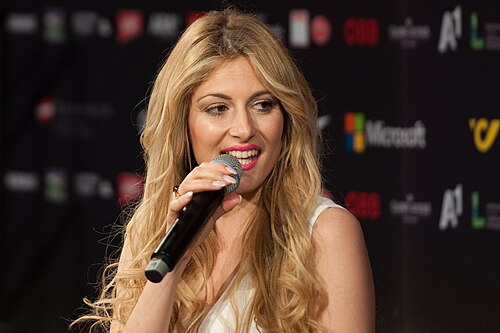
Life
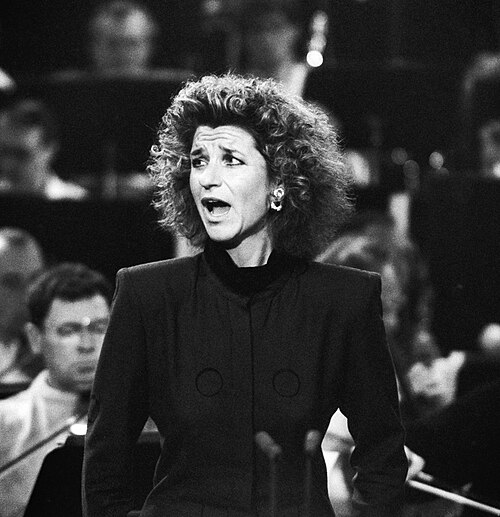
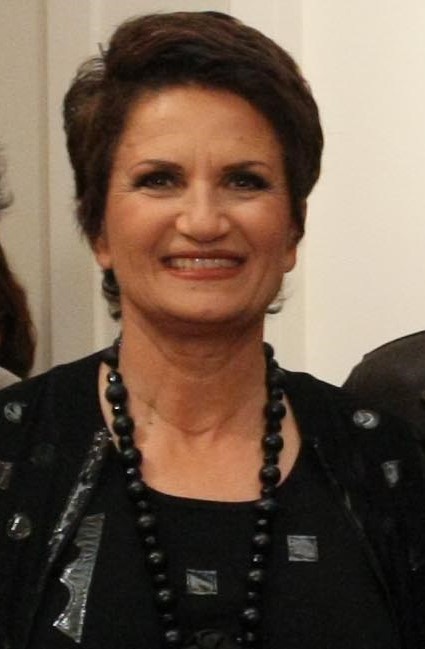
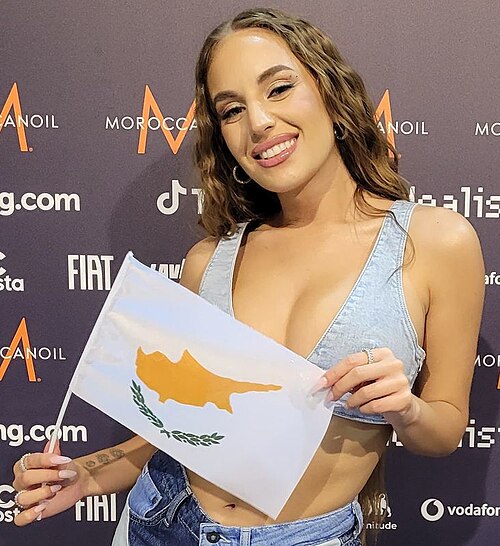
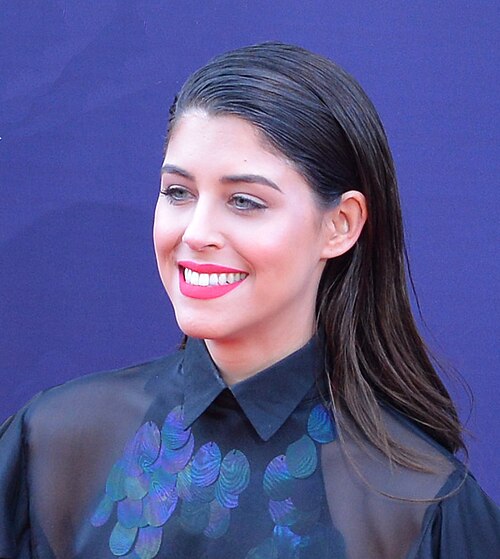
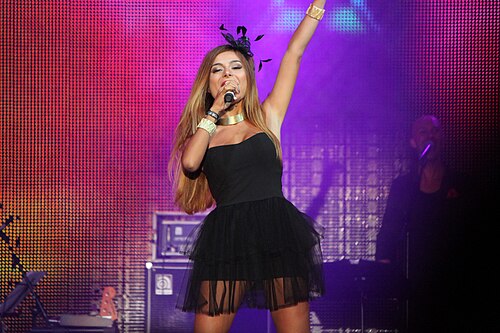
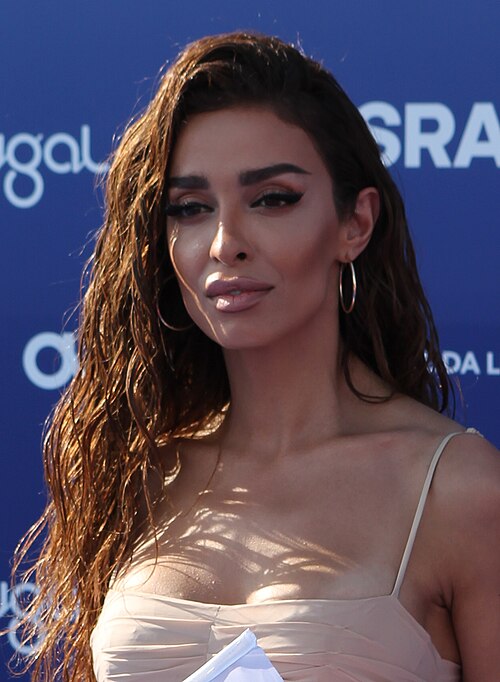
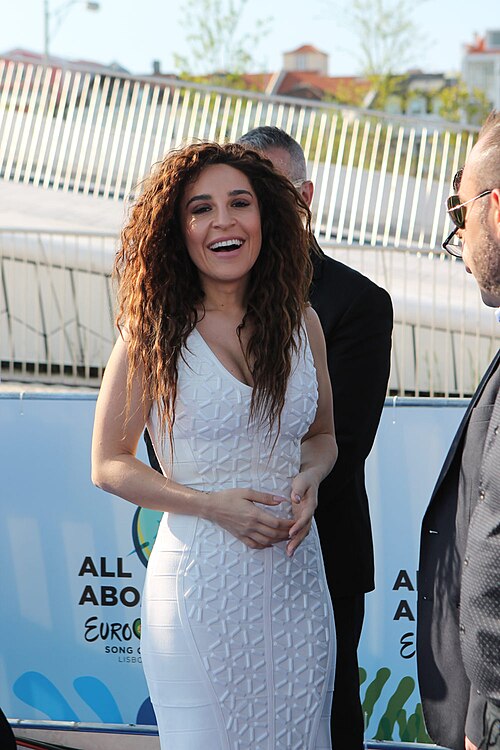
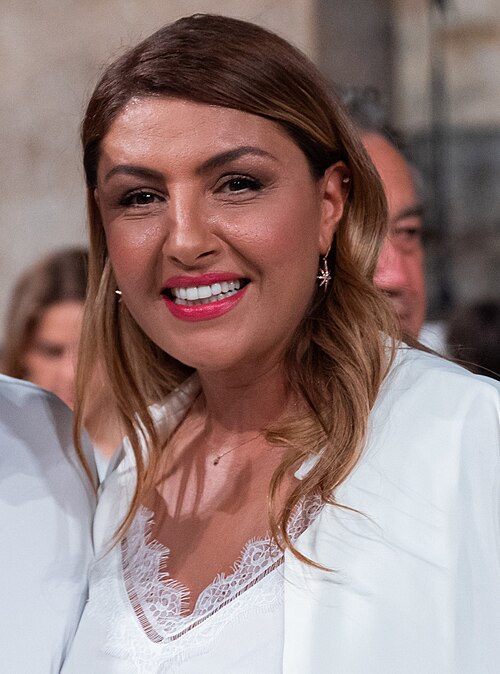
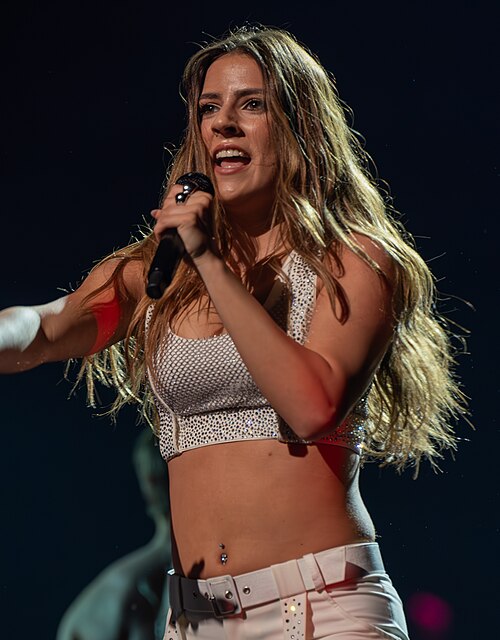
Maria Elena Kyriakou was born in Cyprus in 1984. Before her television breakthrough, she combined musical interests with studies and teaching. The Eurovision biography records a degree in Greek literature and humanities in 2006. In an interview with Sofia Bekiari in May 2014, she recalled earlier singing competitions, a small musical role and appearances in concerts of the Cypriot composer Stelios Pisis. She also described choosing to finish her degree rather than immediately accepting the demands of a recording career. Education and performance were already intertwined in her public story.
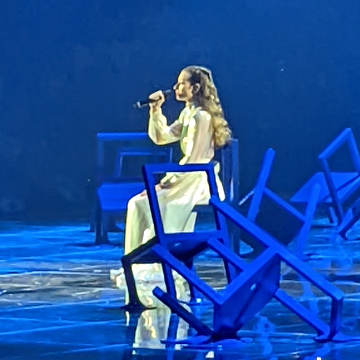
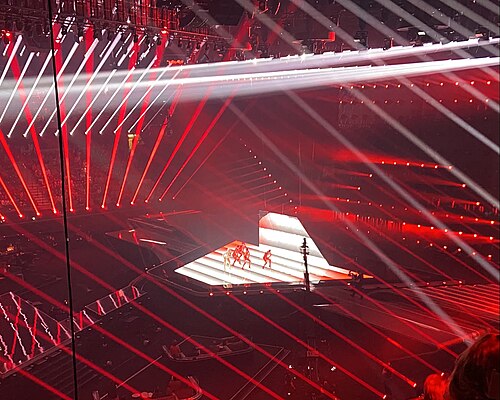
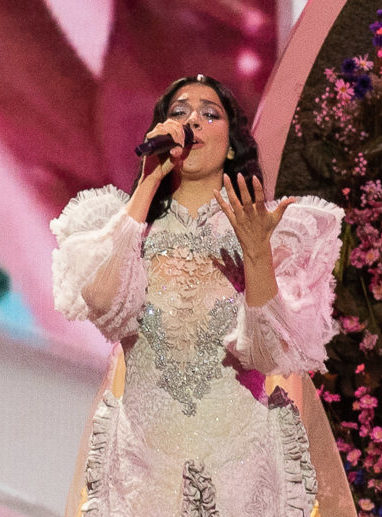
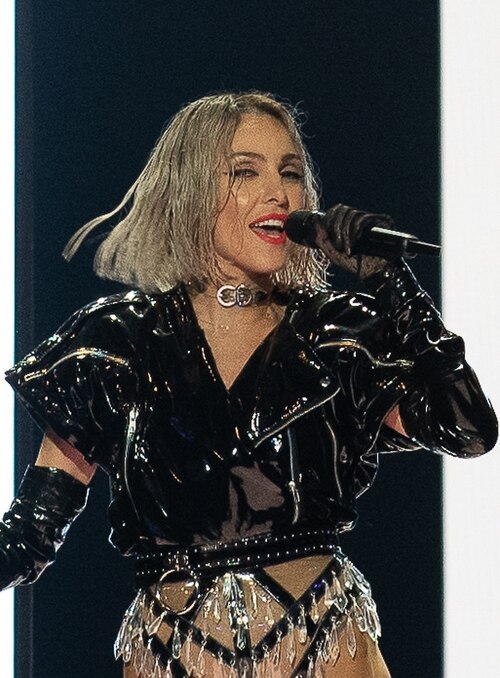
The first season of The Voice of Greece brought a larger audience in 2014. Coached by Despina Vandi, she won the final and signed with Minos EMI. Her debut album appeared that summer. The following year she represented Greece in Vienna with One Last Breath, a song she co-composed with Efthivoulos Theocharous. It reached the Eurovision final and finished nineteenth. A Greek-language version, Μια αναπνοή (One Breath), was also released in 2015. These early recordings place her between Greek-language pop and the international ballad repertoire through which television viewers first heard her.
Works

Her first album, Δυο άγγελοι στη γη (Two Angels on Earth), combines Greek songs with English-language covers. Its title track adapts Un angelo disteso al sole, associated with Eros Ramazzotti, into Greek. The album also includes Δυο εγωισμοί (Two Egos), with music by Dimitris Kontopoulos and words by Vagia Kalantzi. That song was part of her Voice final. Recordings of Because of You, Hero, Hurt, Listen and Bleeding Love show the international pop-ballad setting of the project. These are performances of other writers’ songs, alongside the Greek material.
One Last Breath gave her a composing credit as well as a vocal role. The Eurovision record names Kyriakou and Theocharous for the music, and Evelina Tziora and Vangelis Konstantinidis for the English lyrics. The Greek recording Μια αναπνοή credits Konstantinidis for its words. The two versions share a musical foundation while offering different verbal textures. A listener can follow the space between phrases and the way a sustained note carries emotion before attending to individual words. Her repertoire makes the language distinction audible: an English Eurovision performance and a separately released Greek version belong to the same musical chapter.
Legacy in Greece today
Kyriakou’s recordings offer a bridge between a familiar international contest and Greek-language listening. Begin with a short section of the official recording Μια αναπνοή (One Breath), noticing the voice rather than trying to understand every word. Then use this page’s adapted Greek passage and its audio. Write two original sentences about music, place a full stop after each, and read them aloud with a small pause between them. The words αναπνοή (breath) and ανάσα (breath) connect the title to this practical speaking task. Compare your first and second readings: are the sentence boundaries easier to hear? The A2 level applies to the supported passage, not the complete song.
Did you know?
- She studied Greek literature and humanities before her recording breakthrough.
- Δυο εγωισμοί was written by Dimitris Kontopoulos and Vagia Kalantzi.
- The Eurovision entry was in English; Μια αναπνοή is a separate Greek-language recording.
Key works
| Greek title | Title | Year |
|---|---|---|
| Δυο εγωισμοί | Two Egos — song | 2014 |
| Δυο άγγελοι στη γη | Two Angels on Earth — album | 2014 |
| Έχεις αφήσει εποχή | You Have Left Your Mark — song | 2014 |
| One Last Breath | One Last Breath — Eurovision entry | 2015 |
| Μια αναπνοή | One Breath — Greek version | 2015 |
A line to remember
Όλοι οι άνθρωποι έχουν κάπου ταλέντο.
Óli i ánthropi échoun kápou talénto.
Everyone has a talent for something.