Life
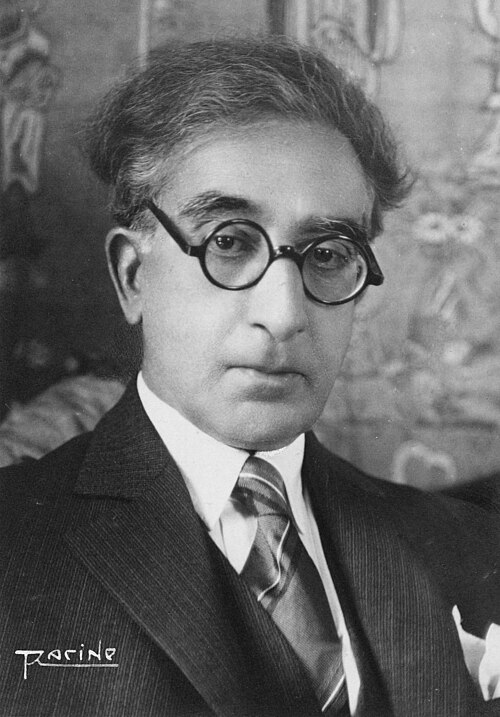
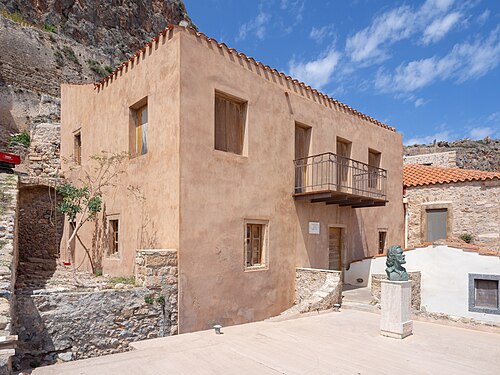
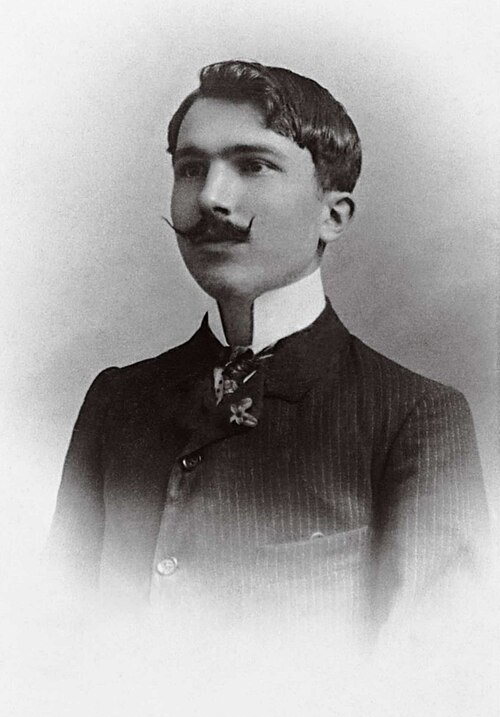
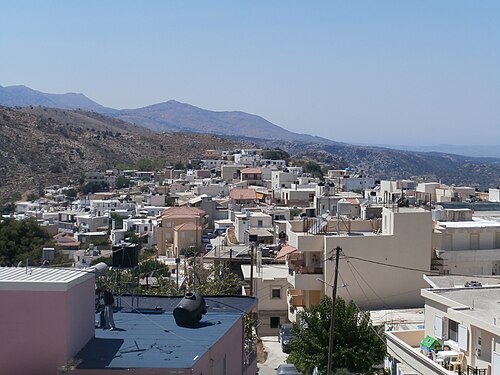
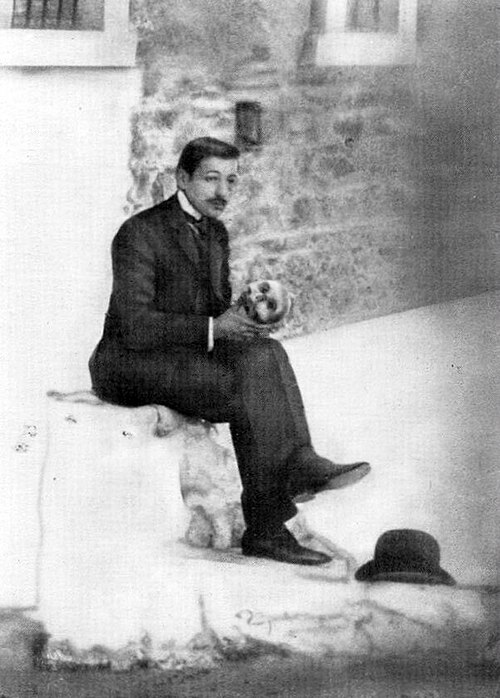
Manos Katrakis was born in 1908 in Kastelli Kissamou, a small town in western Crete, and came to Athens as a young man to try his luck in the theatre. He began in the 1920s in small companies and revues, learning the job on tour, and by the 1930s he had become a member of the National Theatre (Εθνικό Θέατρο), where he took his first great roles in ancient drama and in Shakespeare.
During the Occupation and the Civil War he was close to the left, and like many artists of his generation he was arrested after the war and sent into exile. For refusing to sign a declaration renouncing his ideas, he spent almost seven years in the island camps of Ai Stratis and the notorious Μακρόνησος (Makronisos), where thousands of left-wingers were held.
Back in Athens in the 1950s, he worked with the leading companies and with his own troupe, and he played in dozens of Greek films, often as a father, a priest or a stern patriarch. He toured Greece with ancient tragedies, bringing Aeschylus and Sophocles to small towns that had never seen them. He kept acting until the end of his life and died in Athens in 1984. For many Greeks he remained the very image of the dignified, uncompromising artist of the left.
Works

Katrakis belonged to a generation of actors trained in a declamatory, heroic style, and his instrument was his voice: low, powerful, slow, able to fill an ancient theatre of ten thousand seats without a microphone. His most famous stage role was Prometheus in Aeschylus's Προμηθεύς Δεσμώτης (Prometheus Bound), the Titan chained to a rock for giving fire to humans, a role that fitted both his voice and his image as a man who would not bow to power.
In the cinema he is best known for Ηλέκτρα (Electra, 1962), Michael Cacoyannis's film of Euripides with Irene Papas, in which he plays the old tutor who brings Orestes home. He appeared in many popular Greek films of the 1950s and 1960s, usually lending dignity to small parts.
For music lovers he is the voice of the Άξιον Εστί (Axion Esti, 1964), Mikis Theodorakis's oratorio on the poem by Odysseas Elytis: on the first recording, Grigoris Bithikotsis sings the songs and Katrakis reads the prose passages. Those readings, solemn and warm, taught a whole generation how Elytis's Greek could sound, and they remain one of the classic recordings of spoken Greek poetry.
Legacy in Greece today
The best way to meet Katrakis is to listen: put on the 1964 recording of the Άξιον Εστί and hear him read Elytis between Bithikotsis's songs. Then watch Ηλέκτρα (1962), easy to find with subtitles, for his old tutor beside Irene Papas. The open-air municipal theatre «Μάνος Κατράκης» in Sykies, on the hills above Thessaloniki, carries his name and hosts concerts and plays every summer. Greek drama schools still cite him as the model of the great tragic voice, and his story is part of the memory of Makronisos and the post-war exiles.
Did you know?
- He came from Kastelli Kissamou, the westernmost small town of Crete.
- He was exiled to the island camps after the Civil War, including Makronisos.
- On the first recording of Theodorakis's Axion Esti (1964), he is the reader and Grigoris Bithikotsis the singer.
Key works
| Greek title | Title | Year |
|---|---|---|
| Προμηθεύς Δεσμώτης (Αισχύλος), ως Προμηθέας | Prometheus Bound (Aeschylus), as Prometheus, at Delphi and in Athens | 1952 |
| Περιοδείες με αρχαία τραγωδία | Touring Greece with ancient tragedy | 1950s–1970s |
| Ηλέκτρα (ταινία του Μιχάλη Κακογιάννη) | Electra (film by Michael Cacoyannis), the old tutor | 1962 |
| Άξιον Εστί (Θεοδωράκης – Ελύτης), αναγνώστης | Axion Esti (Theodorakis and Elytis), the reader | 1964 |
A line to remember
ὦ δῖος αἰθὴρ καὶ ταχύπτεροι πνοαί, / ποταμῶν τε πηγαί, ποντίων τε κυμάτων / ἀνήριθμον γέλασμα
In today's GreekΩ θεϊκέ αιθέρα και γοργόφτερες πνοές του ανέμου, / πηγές των ποταμών, και των κυμάτων της θάλασσας / αμέτρητο γέλιο
O dios aithir kai tachypteroi pnoai, / potamon te pigai, pontion te kymaton / anirithmon gelasma
O divine sky and swift-winged winds, / springs of the rivers, and the countless laughter / of the waves of the sea