Life
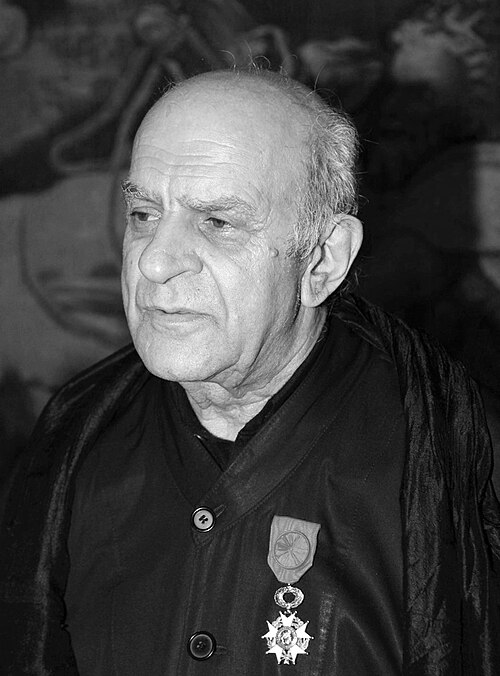
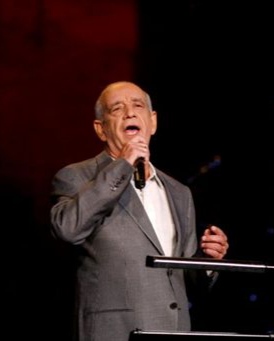
Manos Loizos was born on 22 October 1937 in Alexandria, Egypt, into a family that had come from Cyprus. Like many Greeks of Egypt he grew up between two worlds, the cosmopolitan city and the Greek community with its schools and churches. In 1955 he moved to Athens to study, but music took over: he played, learned on his own and from friends, and worked at all kinds of jobs while writing his first songs. He took part in the left-wing youth movement of the 1960s and remained a committed communist all his life.
His first records appeared in the 1960s, and during the military dictatorship of 1967–1974 his songs, with their talk of roads, light and freedom, were sung in student circles and often hit the censor's red line. After the fall of the junta in 1974 he became one of the most loved composers in Greece. He worked closely with the lyricist Lefteris Papadopoulos and with the singer Haris Alexiou, for whom he wrote a whole album, Τα τραγούδια της Χαρούλας (Haroula's Songs, 1979), with words by Manolis Rasoulis, and he also sang his own songs in a modest, husky voice.
In 1982 he suffered a stroke. He was taken to Moscow for treatment and died there on 17 September 1982, aged 44. His funeral in Athens became a gathering of thousands who sang his songs in the street.
Works

Loizos wrote two kinds of songs, and he never separated them. The political songs speak of struggle without slogans: Ο δρόμος (The Street), with words by Kostoula Mitropoulou, first released in 1965 and recorded again on Τα τραγούδια του δρόμου (Songs of the Street, 1974), tells of a word written on a wall in paint, the word freedom. Others are tender, melancholic or simply joyful: Καλημέρα ήλιε (Good Morning, Sun, 1974), for which he wrote both words and music, greets the day with a simple, almost childlike melody, and the album Τα τραγούδια μας (Our Songs, 1976), with words by Fontas Ladis, gave Giorgos Dalaras songs about workers and emigrants. In his last years he set to music the Γράμματα στην αγαπημένη (Letters to the Beloved), poems that the Turkish poet Nazim Hikmet wrote in prison, in the Greek translation of Yannis Ritsos; the record came out in 1983, after his death.
His music sits between the bouzouki-based laïko song and the lighter, guitar-and-piano style of the «new wave» of the 1960s. The melodies move by small steps and are easy to remember; the arrangements are sparse; the emotion comes from the words and the voice. That is why his songs passed so easily from records to the mouths of ordinary people, at demonstrations, in tavernas and around the guitar on summer nights. Singers of every generation, from Haris Alexiou and Giorgos Dalaras to younger artists, still record them.
Legacy in Greece today
Ask a group of Greeks to sing Loizos and someone will start Καλημέρα ήλιε or Ο δρόμος; the songs belong to everyone. Start by listening to Haris Alexiou's recordings of his songs, then try to sing the first lines of Ο δρόμος with the lyrics in front of you. Every September, on the anniversary of his death, concerts and radio programmes remember him, and his grave is in the First Cemetery of Athens. Streets in several towns of Greece and Cyprus carry his name. The site's music vocabulary exercise at A2 is a good companion to his songs.
Did you know?
- He was born in Egypt to a family from Cyprus and is claimed by Greeks of both countries.
- He died in Moscow, where he had been taken for treatment, at only 44.
- He sang many of his own songs, in a voice that was never trained, and fans often prefer his versions.
- His songs were among those most often heard at demonstrations after the fall of the junta in 1974.
Key works
| Greek title | Title | Year |
|---|---|---|
| Ο δρόμος | The Street (words by Kostoula Mitropoulou) | 1965 |
| Καλημέρα ήλιε | Good Morning, Sun (album; words and music by Loizos) | 1974 |
| Τα τραγούδια μας | Our Songs (album, words by Fontas Ladis, sung by Giorgos Dalaras) | 1976 |
| Τα τραγούδια της Χαρούλας | Haroula's Songs (album for Haris Alexiou, words by Manolis Rasoulis) | 1979 |
| Γράμματα στην αγαπημένη | Letters to the Beloved (Hikmet, tr. Ritsos; released after his death) | 1983 |
A line to remember
Ο δρόμος είχε τη δική του ιστορία
O dromos eiche ti diki tou istoria
The street had its own story