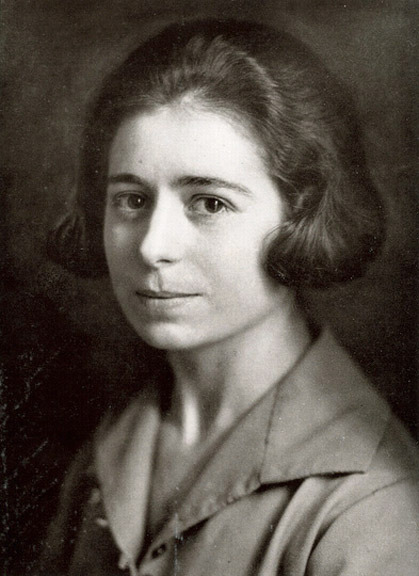
Life
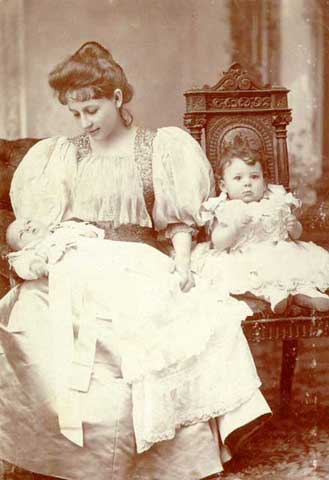
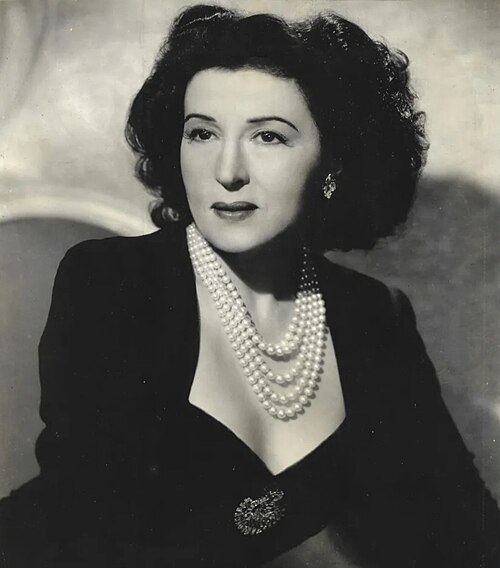
Sarah Skinazi was born in Constantinople, probably around 1895, although for most of her career she claimed 1910. Her family were poor Sephardic Jews, Spanish-speaking descendants of the Jews expelled from Spain, and soon after 1900 they moved, by way of Komotini, to Thessaloniki. There the girl, who had very little schooling, started as a dancer in the city's theatres and cafés. Around 1913 she ran away with a young man from a wealthy family, Giannis Zardinidis, and took the name Rosa; he died a few years later.
In the 1920s she sang in the cabarets of Athens, and in the late 1920s the composer Panagiotis Toundas brought her to Columbia Records. Her first records came out in 1929, and within a few years she had recorded around three hundred songs, often with the oud player Agapios Tomboulis and the violinist Dimitris Semsis. At her peak she had an exclusive contract for forty songs a year. During the German Occupation, when almost all the Jews of Thessaloniki were deported and murdered, she ran a nightclub in Athens, helped people in hiding and was arrested in 1943 for three months.
After the war, from 1952, she toured the Greek communities of the United States, and in 1959 she settled again in Athens. In the 1970s a new generation discovered her old records; she appeared on television and gave her last concert in Patras in 1977. She died in Athens on 2 December 1980.
Works

Eskenazi sang the music of the Greek cities of Asia Minor and Constantinople, the so-called σμυρναίικο (Smyrna style), and the early ρεμπέτικο (rebetiko) of Piraeus and Athens. Her band was a café band: violin, oud, santouri, guitar, and her voice on top, high, bright and full of ornaments, with the long improvised lament called αμανές. She sang in Greek, Turkish, Armenian and Ladino, the language of the Sephardic Jews, and she moved easily between them, as the mixed cities of her youth had done.
Her repertoire was huge. She recorded folk songs such as Μαντήλι καλαματιανό (The Kalamata Scarf) and Κόφτηνε Ελένη την ελιά (Cut Down the Olive Tree, Eleni), café songs such as Η Μποέμισσα (The Bohemian Girl, c. 1930) and Το καναρίνι (The Canary), with music by the violinist Dimitris Semsis, and also «heavy» songs about hashish and drugs; one of them, Πρέζα όταν πιεις (When You Take a Pinch), was censored under the Metaxas dictatorship in the late 1930s. What makes her records unique is their freedom: she sings like someone performing at a table a few feet away from you, laughing, teasing and lamenting at once, and she was one of the very few women of her time to become a star in this male world.
Legacy in Greece today
The best way to meet Eskenazi is to listen to her 1930s recordings, which are widely available and are still a model for every singer of rebetiko and Smyrna song; Greek bands play her repertoire in tavernas and festivals today. The 2011 documentary My Sweet Canary (Καναρίνι μου γλυκό), by the Israeli director Roy Sher, follows three young musicians from Greece, Turkey and Israel in search of her, and it premiered at the Thessaloniki Documentary Festival. Her memoirs, Αυτά που θυμάμαι (What I Remember), compiled by Kostas Chatzidoulis, were published in 1982. Her story is also a window onto the Jewish world of Thessaloniki before the Holocaust.
Did you know?
- For most of her life she claimed to be born in 1910, about fifteen years later than the truth.
- By the mid-1930s she had recorded close to three hundred songs.
- She sang in Greek, Turkish, Armenian and Ladino, the language of the Sephardic Jews.
- Her song Πρέζα όταν πιεις was censored by the Metaxas regime.
Key works
| Greek title | Title | Year |
|---|---|---|
| Πρώτες ηχογραφήσεις για την Columbia: «Μαντήλι καλαματιανό», «Κόφτηνε Ελένη την ελιά» | First recordings for Columbia: The Kalamata Scarf; Cut Down the Olive Tree, Eleni | 1929 |
| Η Μποέμισσα | The Bohemian Girl | c. 1930 |
| Το καναρίνι | The Canary (music by Dimitris Semsis) | 1930s |
| Πρέζα όταν πιεις | When You Take a Pinch (censored under Metaxas) | 1930s |
| Αυτά που θυμάμαι | What I Remember (memoirs, compiled by Kostas Hatzidoulis) | 1982 |
A line to remember
Καναρίνι μου γλυκό
Kanarini mou glyko
My sweet canary