Life
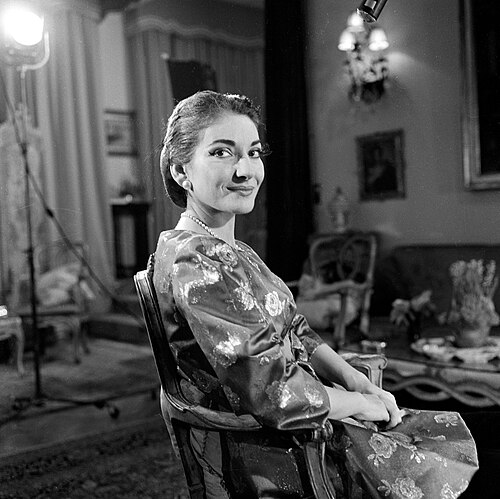
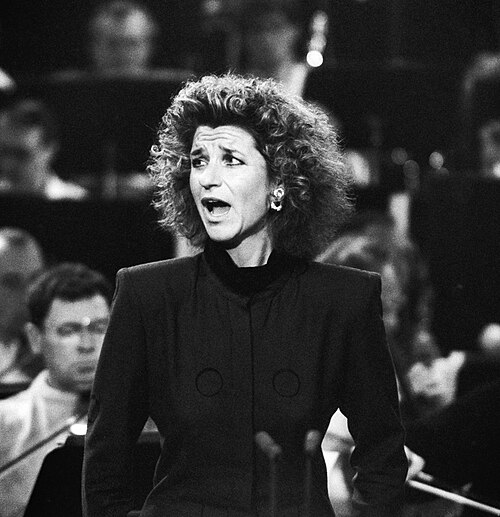
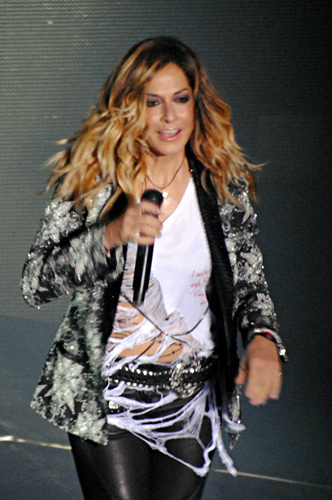
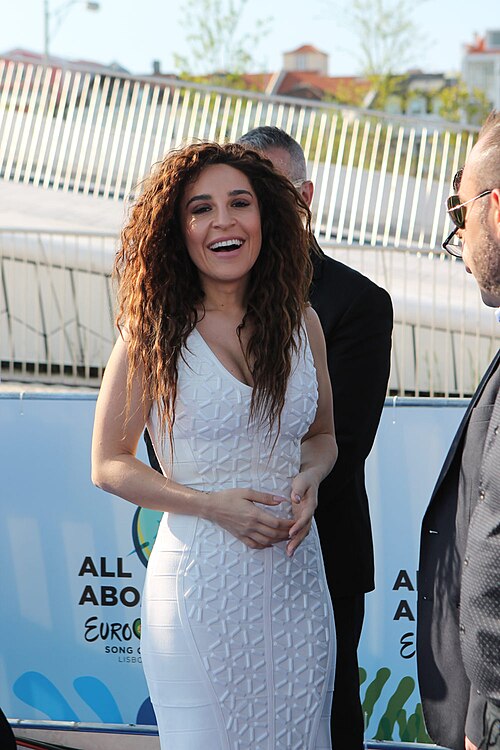
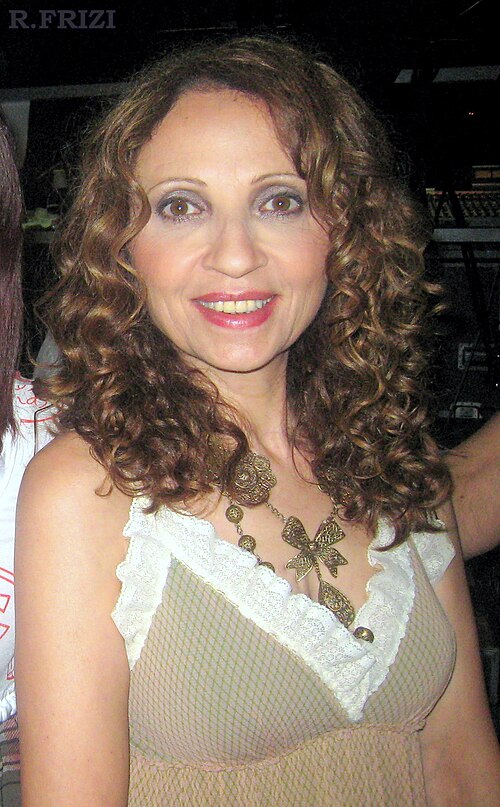
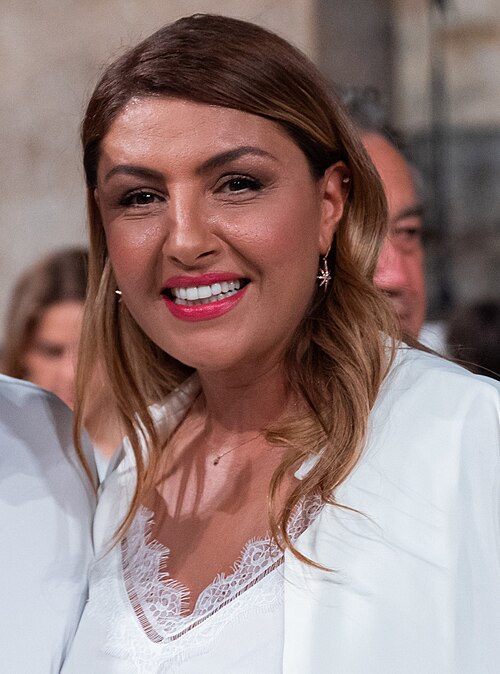
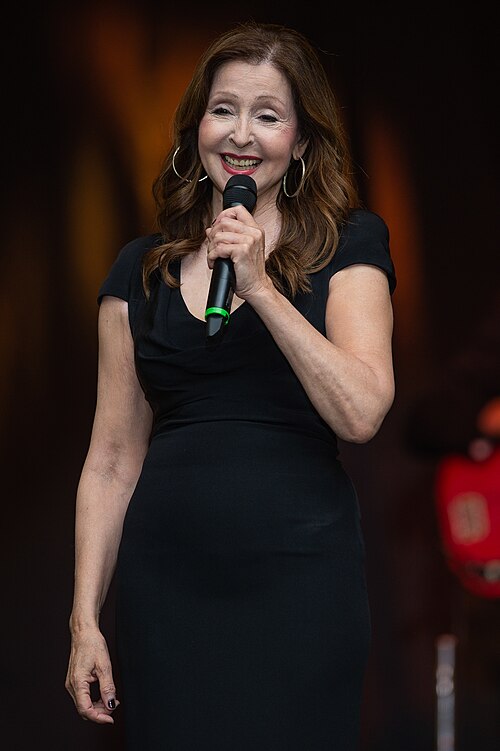
Vicky Leandros was born Vassiliki Papathanasiou on Corfu; her official biography gives 1952 as her birth year. Hamburg became the setting for her musical beginnings. Her father, the singer, composer and producer Leo Leandros, helped shape her early recordings. Her first single, Messer, Gabel, Schere, Licht (Knife, Fork, Scissors, Light), appeared in 1965. It was a German recording: the international career began with the everyday language of the country where she grew up, rather than a Greek song exported abroad.
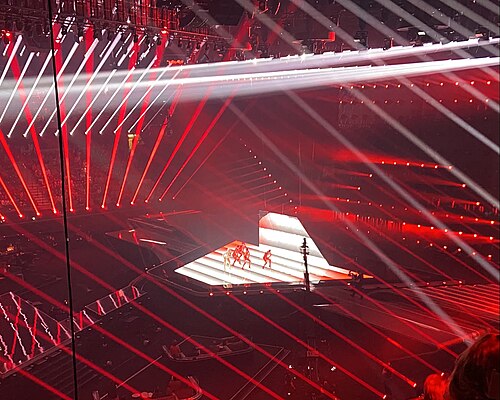
In 1967 she represented Luxembourg at Eurovision in Vienna with L’amour est bleu (Love Is Blue), finishing fourth. Five years later she returned for the same country and won in Edinburgh with Après toi (After You). These appearances make a useful distinction clear: an artist’s birthplace, working language and competing country need not be the same. Her later German successes included Theo, wir fahr’n nach Lodz (Theo, We’re Going to Łódź) in 1974 and Ich liebe das Leben (I Love Life) in 1976. Alongside this repertoire, she continued to sing in Greek. Her public career belongs to several musical worlds at once.
Works

Leandros is primarily an interpreter: her contribution lies in giving songs a recognizable voice and presence. The two Eurovision recordings show different sides of that craft. L’amour est bleu, composed by André Popp with words by Pierre Cour, gives emotion a colour. Après toi, with music credited to Klaus Munro and Mario Panas and lyrics to Munro and Yves Dessca, places a direct declaration of loss at its centre. Neither song was originally a Greek Eurovision entry; both were sung in French for Luxembourg.
Her repertoire moves between chanson, pop, Schlager and songs by Greek composers. Her official biography names Mikis Theodorakis, Manos Hadjidakis and Stavros Xarhakos among the sources connecting her to Greek music. This is a useful listening route: compare the intimate address of a ballad with the forward movement of Theo, wir fahr’n nach Lodz, then try a Greek recording. Notice how phrasing, vowels and the weight of a repeated word change with the language. A singer’s identity can remain audible even when the words change. For Greek learners, this makes her recordings a meeting point between a familiar international melody and an unfamiliar language.
Legacy in Greece today
Leandros offers an accessible route into the musical relationship between Greece and the rest of Europe. Her Greek repertoire sits beside French and German songs, allowing listeners to approach Greek music through a voice they may already know. Her significance is especially clear when nationality and language are considered separately: a Greek singer could win for Luxembourg in French.
Start with the official Eurovision performances from 1967 and 1972, then find one of her Greek recordings of Theodorakis. Listen once for the melody and again for repeated words. Read the short Greek passage here aloud afterwards. The aim is to connect a person, a place and a sound, rather than memorize a list of prizes.
Did you know?
- She represented Luxembourg twice, although she was born in Greece.
- Her two Eurovision songs were performed in French.
- The 1967 fourth place came five years before her 1972 victory.
- Her first single was in German, not Greek.
Key works
| Greek title | Title | Year |
|---|---|---|
| Messer, Gabel, Schere, Licht | Knife, Fork, Scissors, Light | 1965 |
| L’amour est bleu | Love Is Blue | 1967 |
| Après toi | After You | 1972 |
| Theo, wir fahr’n nach Lodz | Theo, We’re Going to Łódź | 1974 |
| Ich liebe das Leben | I Love Life | 1976 |
A line to remember
Η αλήθεια ενός καλλιτέχνη φαίνεται πάνω στη σκηνή.
I alíthia enós kallitéchni fénete páno sti skiní.
An artist’s truth shows on stage.