Life
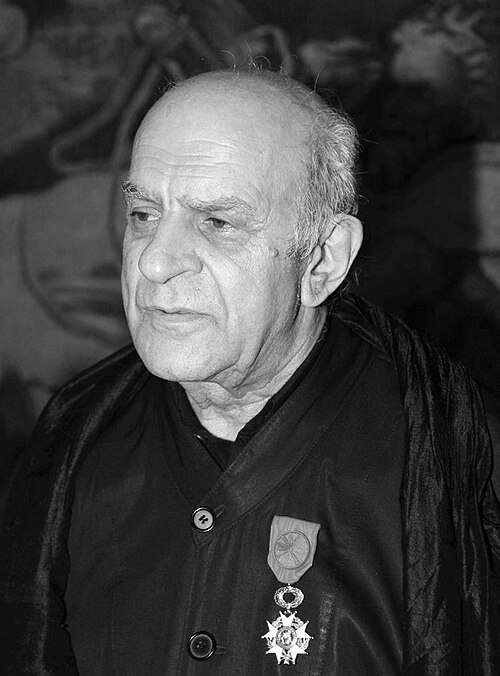
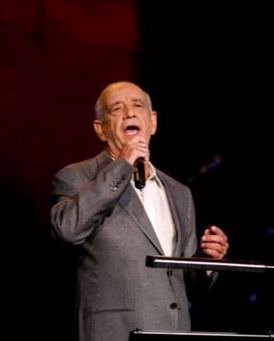
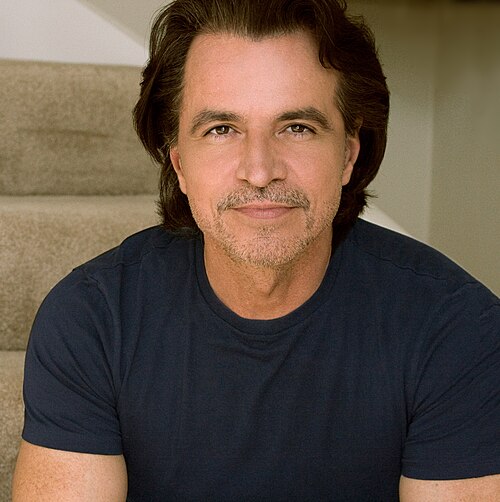
George Dalaras was born in Kokkinia, Piraeus, on 29 September 1949. His father and grandfather were musicians, and his early musical surroundings included laiko, rebetiko and traditional songs. He began performing publicly as a singer and guitarist while still a teenager. His self-titled album appeared in 1969, opening a recording career closely linked to composers such as Stavros Kougioumtzis, Apostolos Kaldaras and Mikis Theodorakis.
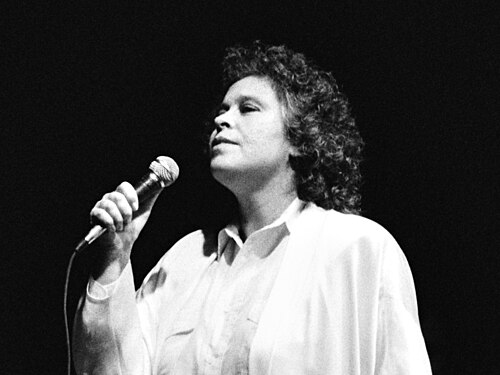
Μικρά Ασία (Asia Minor), released in 1972 with Haris Alexiou, addressed the catastrophe of 1922 and its consequences through songs composed by Kaldaras with lyrics by Pythagoras. In 1975, the double album 50 χρόνια ρεμπέτικο τραγούδι (Fifty Years of Rebetiko Song) brought older urban repertoire to a new listening public. Dalaras continued to alternate new songs with projects looking back at earlier Greek music.
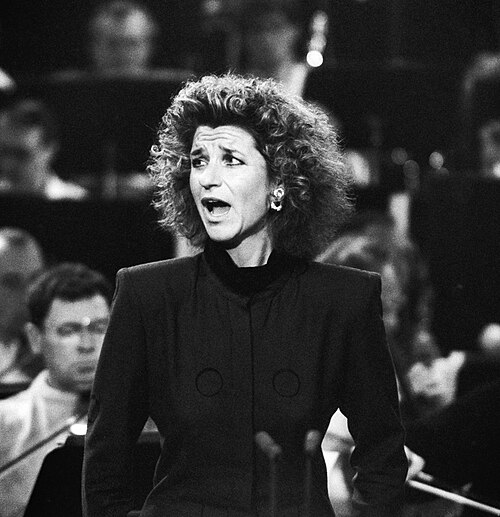
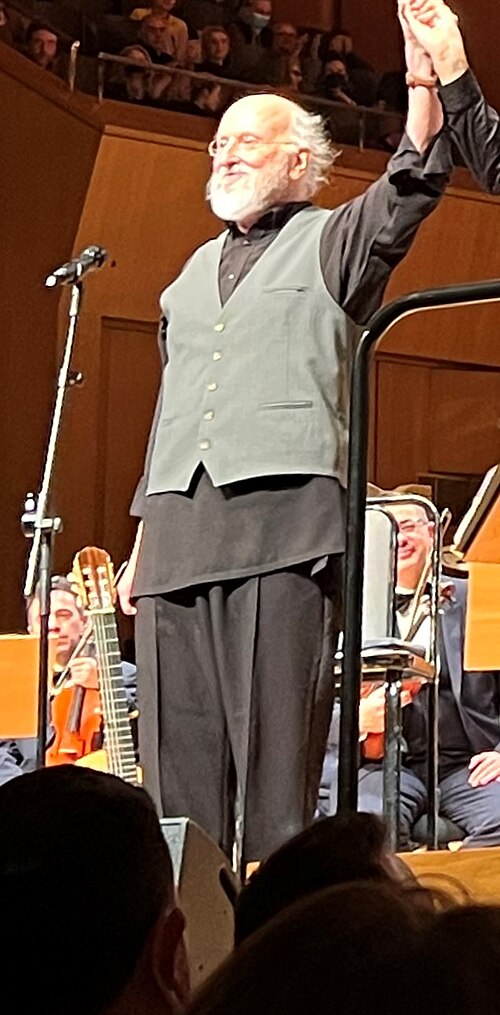
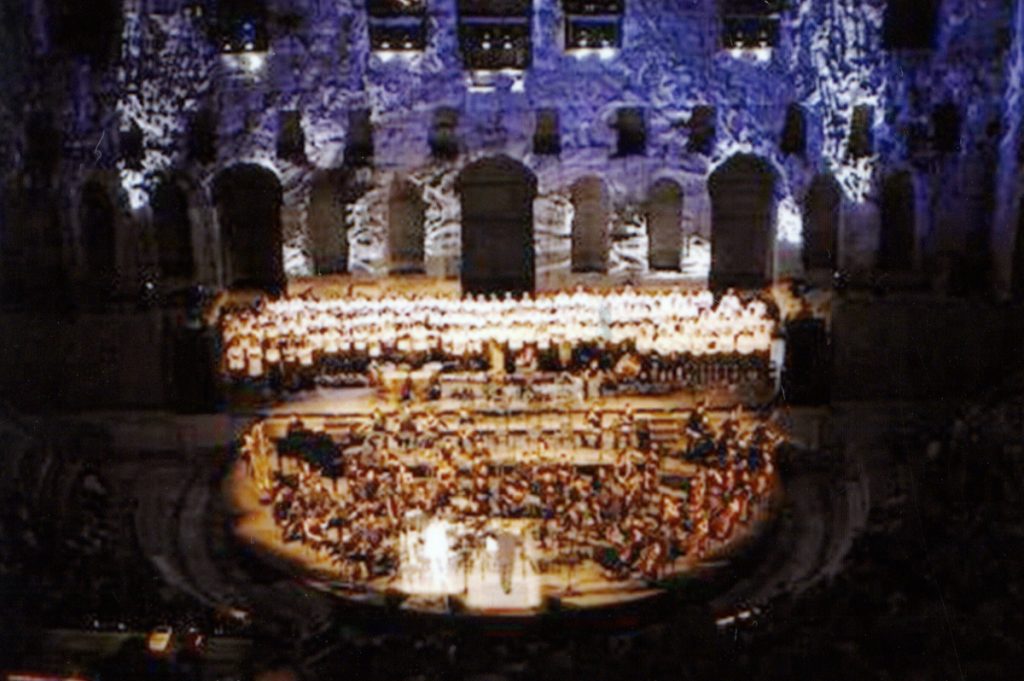
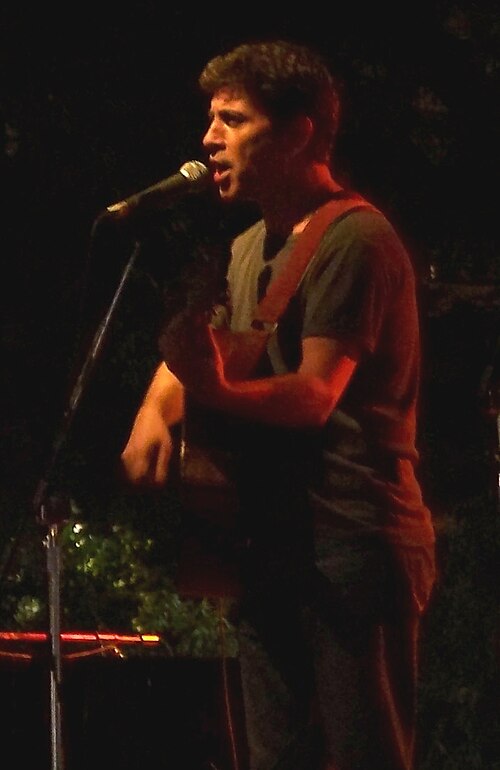
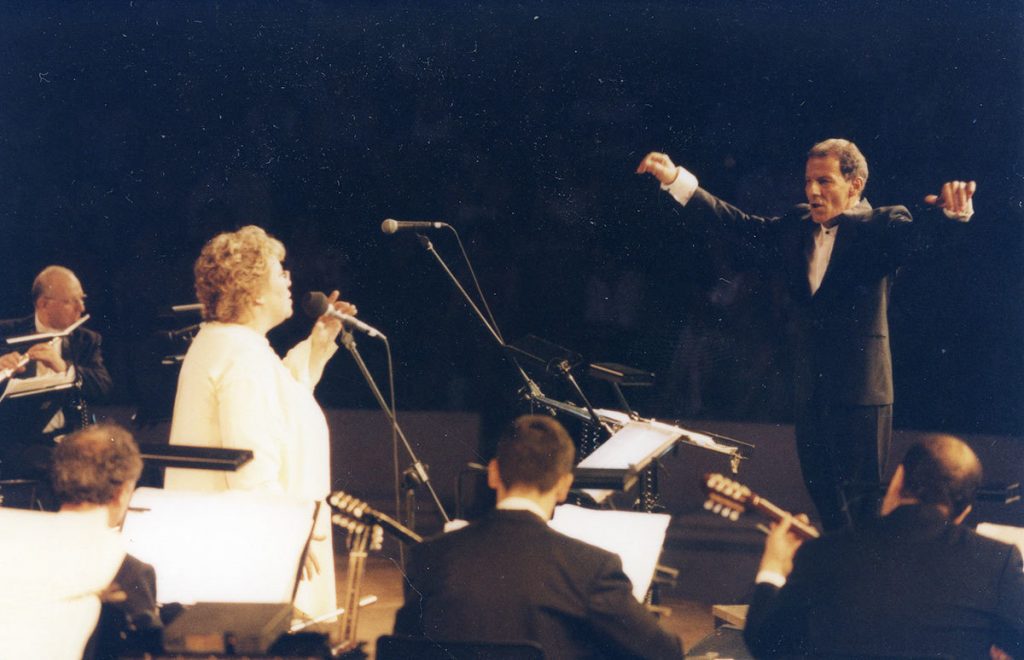
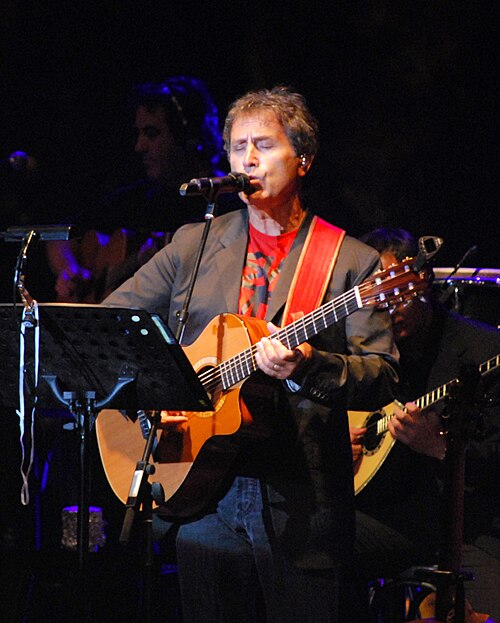
His concert work expanded into large venues and orchestral collaborations. He participated in the 1988 Amnesty International concert in Athens and began collaborating with the Athens Concert Hall in 1994. Alongside artistic activity, he supported refugee-related concerts and campaigns. UNHCR appointed him a Goodwill Ambassador on 5 October 2006. His official archive documents the recordings, musicians and concert projects behind a career that remains active, without reducing that history to sales figures.
Works

Dalaras’s contribution includes selecting, interpreting and presenting repertoire by different generations of Greek composers. Μικρά Ασία (Asia Minor) joins individual voices to a cycle about displacement and historical memory. The shared singing with Haris Alexiou matters alongside the music of Apostolos Kaldaras and the words of Pythagoras: the album is a collaboration, not a collection written entirely by its singer.
50 χρόνια ρεμπέτικο τραγούδι (Fifty Years of Rebetiko Song), from 1975, revisited recordings associated with the period 1920–1955. It placed well-known and less familiar rebetiko songs together for later audiences. The 1987 double album Latin explored another musical relationship. Its first disc includes singing in Spanish and Portuguese; the second contains Greek light-popular songs influenced by Latin music. Guitarist Al Di Meola participated. The language must therefore be checked track by track when choosing listening practice.
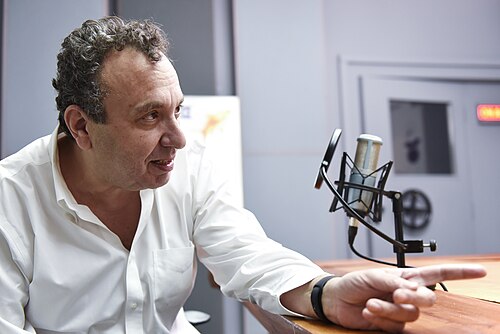
Στα τραγούδια που σου γράφω (In the Songs I Write to You), released in 2004, returned to contemporary laiko through several composers. The title track credits Antonis Vardis for music and Manos Tsilimidis for lyrics. In a 2020 interview, Dalaras described rehearsing as shared musical work, stressing balance between instruments and voice. That practical emphasis helps explain his continuing interest in ensembles, arrangements and careful listening.
Legacy in Greece today
Find the official video Στα τραγούδια που σου γράφω on Dalaras’s artist channel. Read the title, circle γράφω (“I write”) and identify σου (“to you”). Listen to a short section until you recognise the title phrase, then write your own message, such as Σου γράφω ένα μήνυμα. Say it once slowly and once at normal speaking speed. Next, use the adapted reading’s πρόβα, μπάντα and ρυθμός to describe how musicians work together. The short interview quotation offers another useful present-tense form, είμαστε (“we are”). These small tasks connect recorded Greek to everyday communication. For further listening, choose a Greek-language track specifically; the album Latin also contains Spanish and Portuguese performances.
Did you know?
- The double album 50 χρόνια ρεμπέτικο τραγούδι appeared in 1975, revisiting repertoire from 1920–1955.
- Latin includes Spanish, Portuguese and Greek performances; its title does not identify a single language.
- UNHCR appointed Dalaras a Goodwill Ambassador on 5 October 2006.
Key works
| Greek title | Title | Year |
|---|---|---|
| Γιώργος Νταλάρας | George Dalaras (self-titled album) | 1969 |
| Μικρά Ασία | Asia Minor | 1972 |
| 50 χρόνια ρεμπέτικο τραγούδι | Fifty Years of Rebetiko Song | 1975 |
| Latin | Latin (Spanish, Portuguese and Greek songs) | 1987 |
| Στα τραγούδια που σου γράφω | In the Songs I Write to You | 2004 |
A line to remember
Είμαστε μια μπάντα όπου όλοι έχουν ίση αξία.
Eimaste mia banta opou oloi echoun isi axia.
We are a band in which everyone has equal worth.