Life
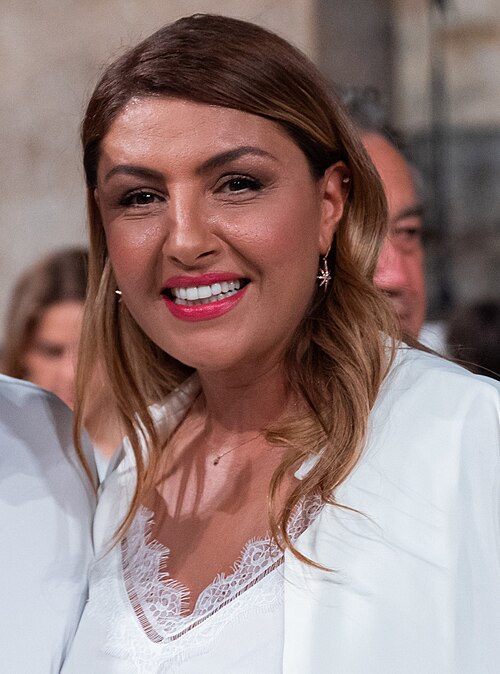
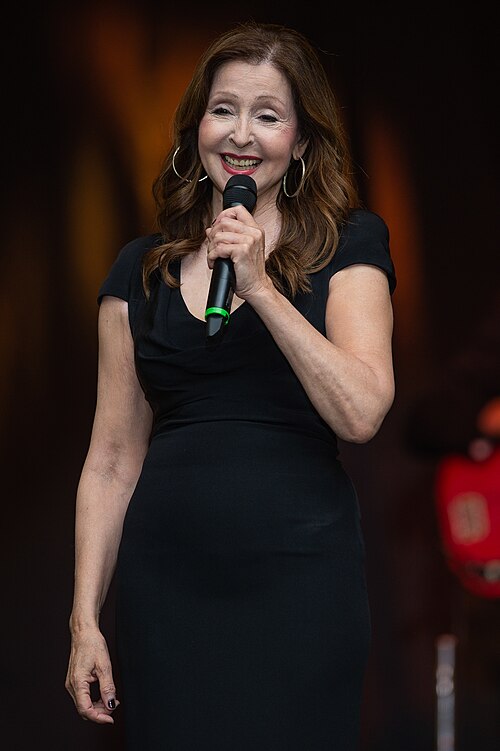
Ivi Adamou was born in Cyprus in 1993 and began studying music as a child, including singing, piano and music theory. The second season of the Greek television programme X Factor brought her to a wider audience while she was still a teenager. Her career then developed through Greek recording companies and performances in Greece and Cyprus. Describing her as a Greek Cypriot singer identifies that cultural and linguistic setting; it does not make her a singer born in Greece.
Her first Greek release, Καλοκαίρι στην καρδιά (Summer in the Heart), appeared in 2010. Collaborations included Stavento’s Σαν έρθει η μέρα (When the Day Comes) and, in 2011, Κράτα τα μάτια σου κλειστά (Keep Your Eyes Closed) with Melisses. The recording Σαν ένα όνειρο (Like a Dream) followed in 2011. In 2012 Cyprus selected her for Eurovision in Baku, where La La Love reached the final and finished sixteenth. This was an English-language performance within a career already built partly in Greek. Later recordings continued that Greek work: the 2022 album Δικό μου (My Own) gathered songs and collaborations from the next phase. Following the releases in order makes it possible to hear a young television contestant develop a repertoire rather than reducing her story to one competition night.
Works

Adamou’s early releases offer a small vocabulary map of Greek pop. Καλοκαίρι στην καρδιά (Summer in the Heart) joins a season with the familiar noun καρδιά, “heart”. Σαν ένα όνειρο (Like a Dream) supplies σαν, “like”, and όνειρο, “dream”. These images are ordinary enough to recognise beyond music, yet singing gives them a particular shape through stress, held vowels and repetition. A learner can begin with the titles before listening to a whole recording. This is a manageable first step into songs whose pace may be faster than a classroom dialogue.
Collaborations add another listening exercise. In a recording with Melisses or Stavento, notice when the voice changes and how one phrase answers another. The words remain Greek even when production moves between pop and other popular styles. Δικό μου (My Own) makes the possessive phrase δικό μου easy to spot, while also gathering different collaborations into one release. La La Love serves a different purpose: its English text and repeated sounds explain an international Eurovision connection, not Greek vocabulary. Comparing the two parts of her repertoire helps learners choose what to listen for. Music can be familiar before its language is understood, and a title, a pronoun or one clearly heard noun is already a useful discovery.
Legacy in Greece today
Adamou gives Greek learners a listening route between Cyprus and the music heard in Greece. Begin with the official recording A*G*A*P*I: say the Greek letters of αγάπη, then listen for the word in the song. Read the titles Καλοκαίρι στην καρδιά and Σαν ένα όνειρο aloud and match their nouns to the vocabulary below. After reading the Greek passage, write one sentence about music you hear in summer and one about a dream. You can then compare a Greek recording with La La Love and describe the language difference yourself. Her catalogue makes it possible to move from an internationally familiar performance to words you can use in a personal conversation.
Did you know?
- Her first musical studies included piano, singing and music theory.
- La La Love reached the 2012 Eurovision final; it is an English-language song.
- The 2022 album Δικό μου gathers recordings with several collaborators.
Key works
| Greek title | Title | Year |
|---|---|---|
| Καλοκαίρι στην καρδιά | Summer in the Heart | 2010 |
| Σαν ένα όνειρο | Like a Dream | 2011 |
| La La Love | La La Love — Eurovision entry | 2012 |
| Δικό μου | My Own | 2022 |
A line to remember
Προσωπικά δεν μπορώ να με βάλω σε ένα συγκεκριμένο είδος
Prosopika den boro na me valo se ena sygkekrimeno eidos
Personally, I cannot put myself in one particular genre.