Life
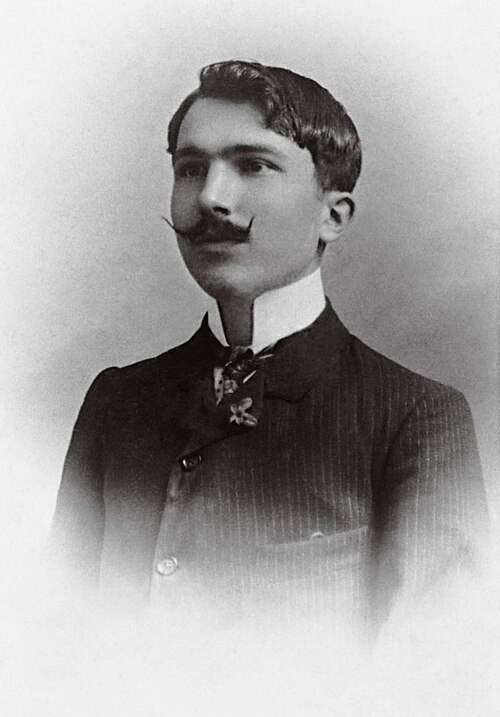
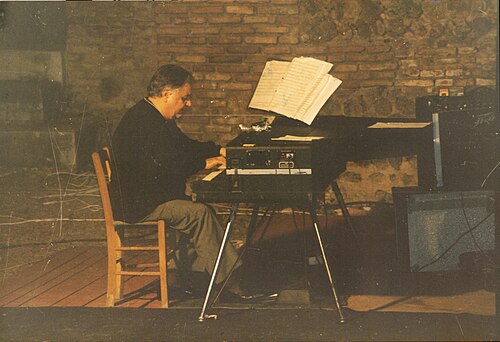
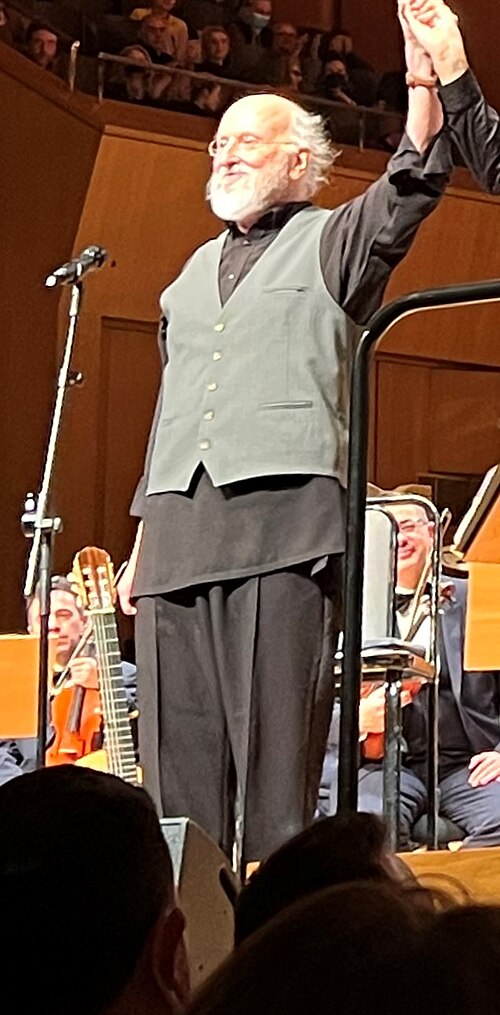
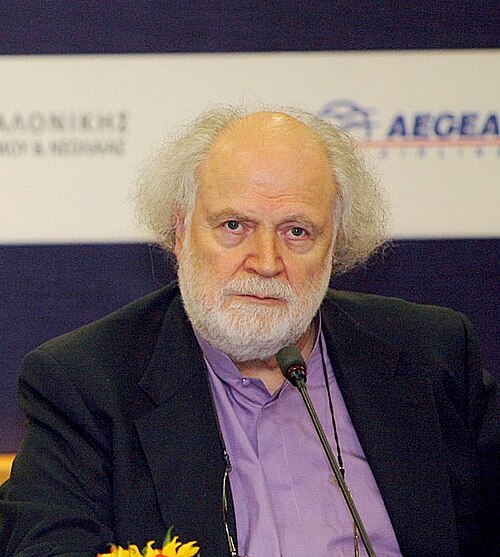
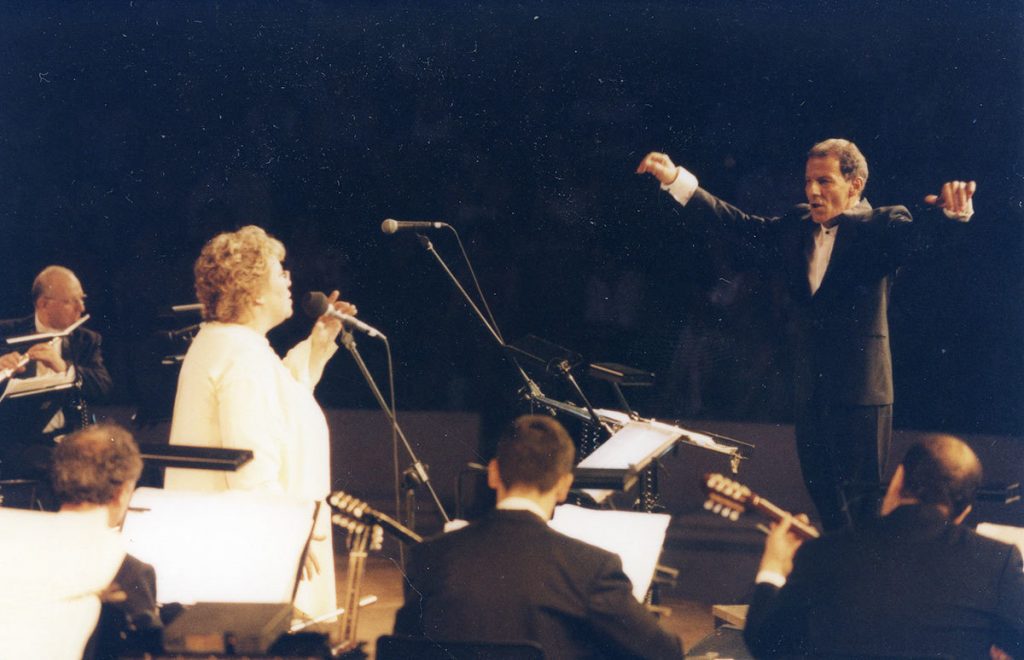
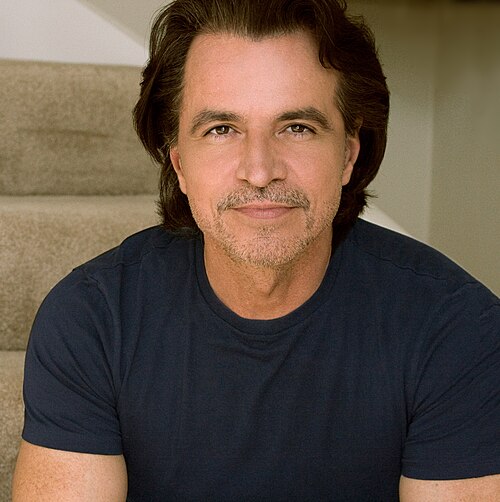
Mimis Plessas was born in Athens in 1924. He learned piano at home and was already playing on Greek radio as a teenager. Science studies in Athens developed alongside music. In the postwar city he performed for audiences receptive to jazz, formed a quartet and worked with established singers. Piano, improvisation and curiosity about different musical traditions remained central to his creative identity.
During the 1960s, cinema brought his music to a wide public. His collaboration with Finos Film and director Yannis Dalianidis included musicals in which songs, dancing and comic action shared the screen. Rena Vlachopoulou was among the performers who gave these scores a distinctive voice. Plessas also wrote for dramatic films, adapting his musical expression to different stories.
In 1969, Ο δρόμος (The Road) joined his music to Lefteris Papadopoulos’s lyrics, with Yannis Poulopoulos, Rena Koumioti and Popi Asteriadi singing. Television added another audience: he composed for Λούνα Παρκ (Luna Park) and later co-presented Καλλιτεχνικό καφενείο (Artistic Café) on ERT. He died in October 2024, shortly before his hundredth birthday. His career links the radio pianist, the screen composer and the songwriter whose melodies circulated beyond their original setting.
Works

Plessas moved easily between a jazz pianist’s rhythmic freedom and a song’s clear melodic shape. His music could support dancing, sharpen a comic scene or give a dramatic moment emotional weight. On screen, the sound belongs to an ensemble: performers, choreography, camera and musical arrangement all help a number reach the audience.
Μερικοί το προτιμούν κρύο (Some Like It Cold, 1963) was Dalianidis’s first cinema musical, with music by Plessas and singing by Rena Vlachopoulou. Κάτι να καίει (Something to Sizzle, 1964), Οι θαλασσιές οι χάντρες (The Blue Beads, 1967) and Γοργόνες και μάγκες (Mermaids and Tough Guys, 1968) continued their collaboration. Each score was created as part of a moving, performed story, closely tied to what viewers see on screen.
The album The Road creates a different kind of unity through a sequence of songs. Papadopoulos’s words and Plessas’s melodies evoke urban memory and lives shaped by ordinary hopes and hardship. The singers give each story a particular character. Alongside this vocal work, his instrumental playing invites attention to rhythm and colour. Greek-language practice can come from titles, interviews and sung words; instrumental sound instead supports descriptions of mood and preference.
Legacy in Greece today
Begin with the title Μερικοί το προτιμούν κρύο and find προτιμούν, meaning they prefer. Change it to προτιμώ, I prefer. Read the adapted passage, then ask a partner Τι μουσική προτιμάς; Explain the difference between liking something and choosing it over another option: Μου αρέσει η κιθάρα, αλλά προτιμώ το πιάνο. Make two new answers about calm or fast music and swap roles. Write a short conversation for friends choosing music together, then read it aloud. You can describe instrumental music in Greek without expecting it to contain spoken words. The film title becomes a useful everyday verb, connected to Plessas’s wide musical range.
Did you know?
- Some Like It Cold was Dalianidis’s first cinema musical.
- The Road features Poulopoulos, Koumioti and Asteriadi, with lyrics by Papadopoulos.
- Plessas recorded radio programmes about his life and songs for Greek public radio in 2011.
Key works
| Greek title | Title | Year |
|---|---|---|
| Μερικοί το προτιμούν κρύο | Some Like It Cold — film music | 1963 |
| Κάτι να καίει | Something to Sizzle — film music | 1964 |
| Οι θαλασσιές οι χάντρες | The Blue Beads — film music | 1967 |
| Γοργόνες και μάγκες | Mermaids and Tough Guys — film music | 1968 |
| Ο δρόμος | The Road — album, lyrics by Lefteris Papadopoulos | 1969 |
A line to remember
Η μουσική είναι συνώνυμο της ζωής μου.
I mousikí íne sinónimo tis zoís mou.
Music is synonymous with my life.