Life
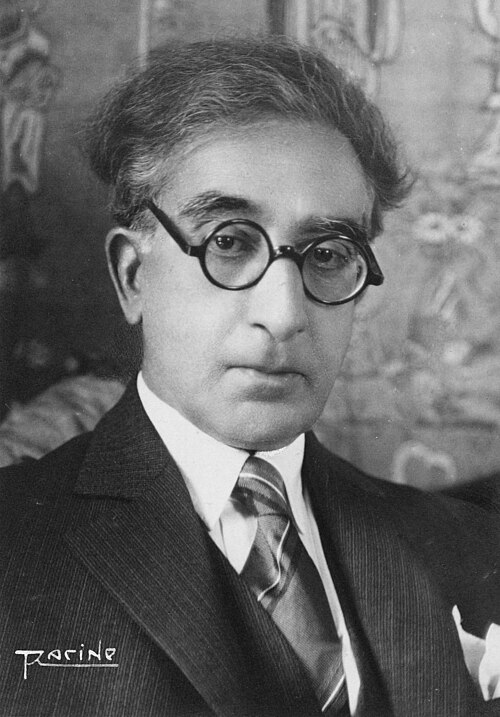
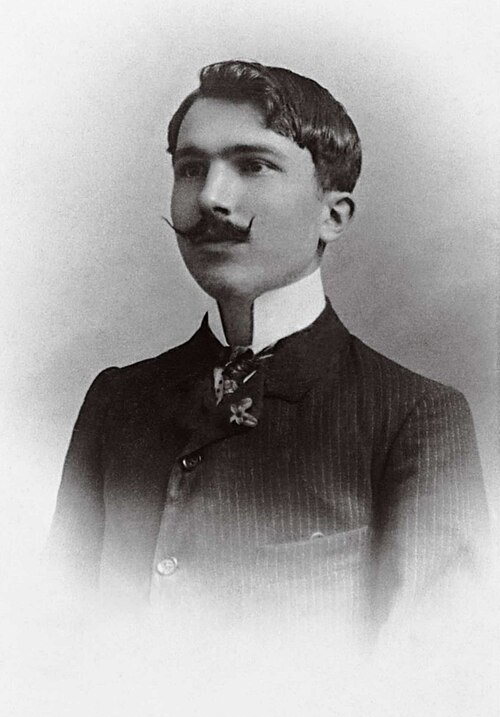
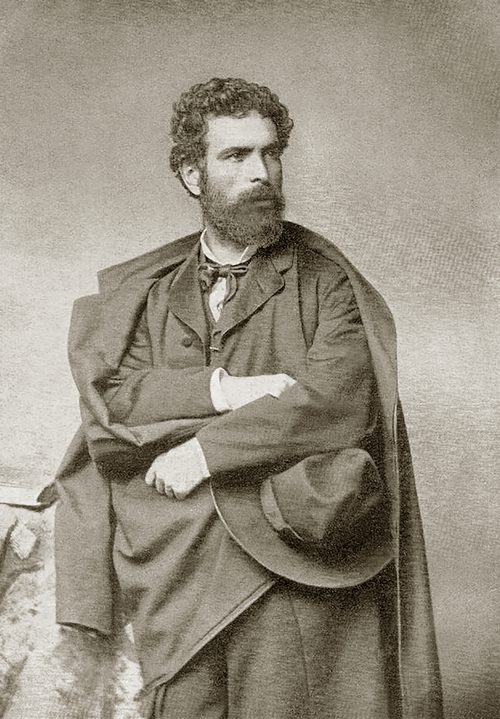
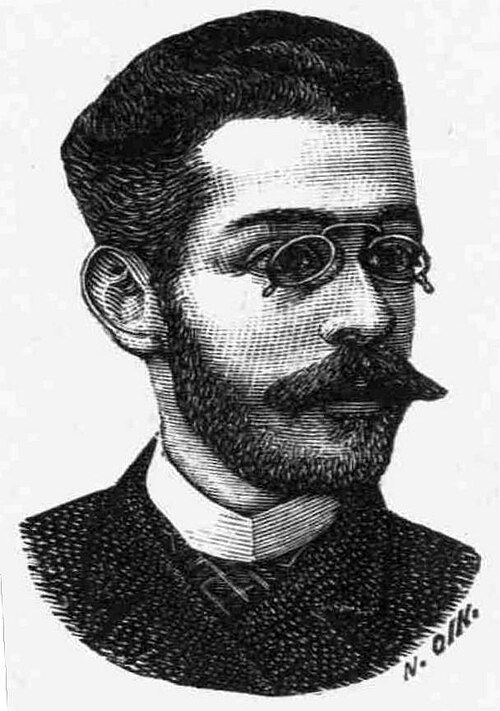
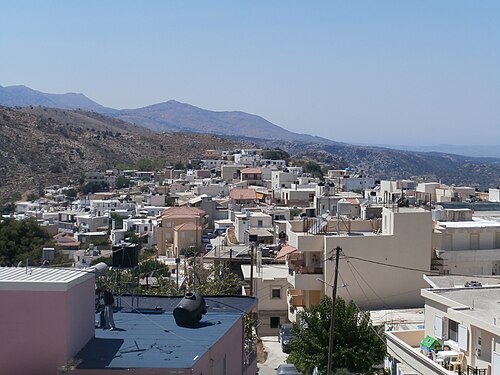
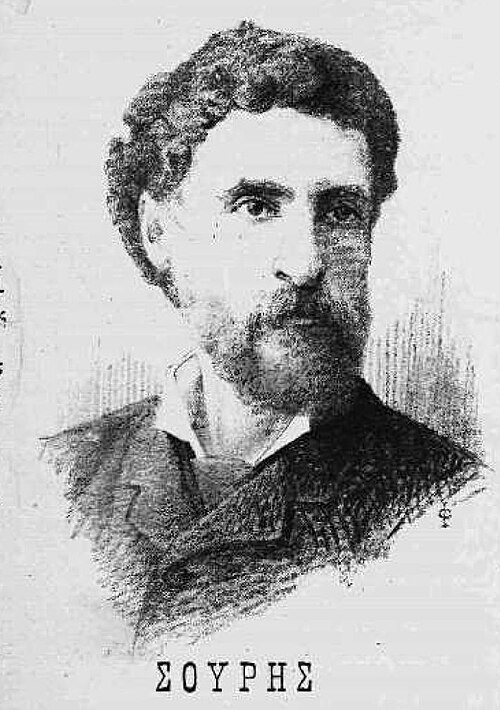
Souris was born in 1853 in Ermoupoli, on the island of Syros, which was then the busiest port and trading town of the young Greek state. He began writing verse as a schoolboy and went to Athens to study at the university, but poetry and journalism soon took over. In the Athens of the 1870s and 1880s, a small capital full of coffee houses, newspapers and political quarrels, a man who could rhyme quickly and make people laugh had a ready audience.
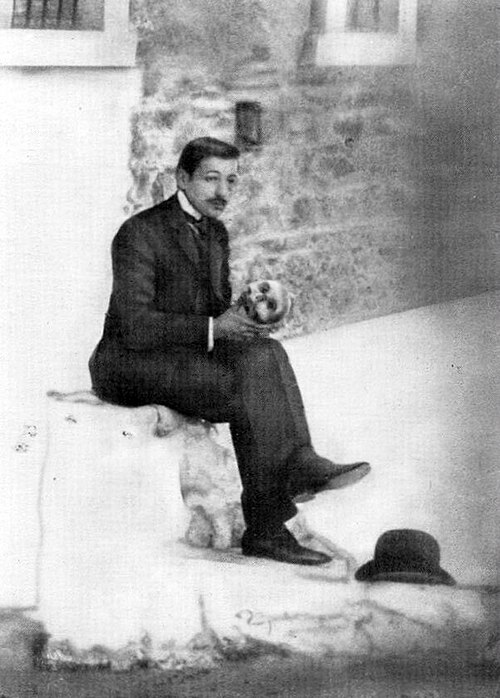
In 1883 he founded Ο Ρωμηός (The Romios). It was a newspaper with a difference: every word of it was in verse, and nearly all of it was written by Souris himself. Week after week, through the governments of Charilaos Trikoupis and Theodoros Deligiannis, through the defeat of 1897 and the Balkan Wars, he commented on the news in rhyme. The paper was sold in the streets and read aloud in coffee houses, and politicians feared it, because a funny couplet travelled faster than any speech. Souris also published collections of his poems and translated comedies of Aristophanes, the ancient master of political satire, into Modern Greek verse. He was read by everyone, from ministers to shopkeepers, and was the most popular poet in Greece for a generation. He kept the paper going almost to the end of his life and died in Athens in 1919.
Works

The heart of Ο Ρωμηός was a dialogue between two characters. Ο Φασουλής (Fasoulis) is the simple, sharp-tongued man of the people, with a name borrowed from the hero of the Greek puppet theatre; ο Περικλέτος (Perikletos) is his more pompous, gullible friend. Each week they met and discussed the latest scandal, new taxes, an election, a government that promised everything and did nothing. Through them Souris laughed at the habits Greeks recognised in themselves: endless talk in the καφενείο, favours for friends, love of titles, admiration for anything foreign, and the gap between the glory of ancient Greece and the small, poor, quarrelsome kingdom of his day.
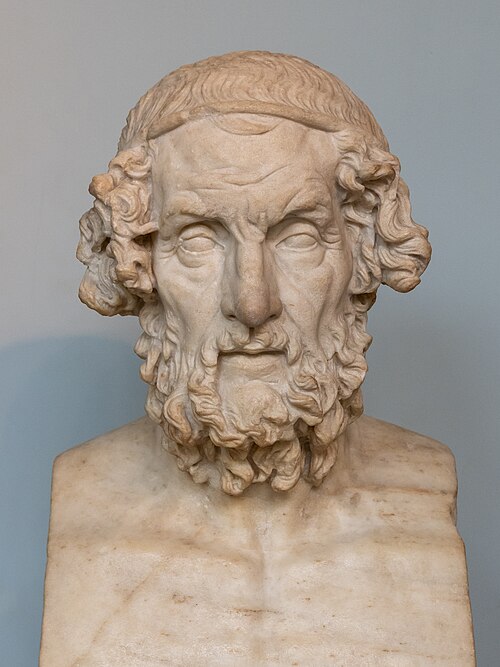
His language was close to the spoken Greek of Athens, mixed with comic bits of pompous katharevousa when he wanted to mock officials. His verse is light and quick, with strong rhymes that stick in the memory, which is why lines of Souris passed into everyday speech. He also wrote a comic epic, the Φασουλιάδα, a parody of Homer's Iliad with Fasoulis as its hero. Souris was not a poet of deep feeling like Solomos or Palamas, and he never claimed to be. He was a chronicler: reading him is like reading thirty-five years of Greek newspapers, with a smile.
Legacy in Greece today
Souris is the ancestor of all Greek political satire, from the revue theatre of the twentieth century to today's satirical television and columns. Whenever a Greek columnist wants to say that nothing has changed in Greek politics, a couplet of Souris is the classic way to do it, and the lines attributed to him about the small state that spends a hundred and collects fifty are among the most quoted in Greek. His poems appear in school anthologies and on the internet, short enough to learn by heart. Streets in Athens and other Greek towns carry his name. If you visit Syros, walk through Ermoupoli, with its neoclassical town hall and theatre: it is the prosperous port in which he grew up.
Did you know?
- Ο Ρωμηός was written entirely in verse, news included, for some thirty-five years.
- Fasoulis takes his name from the Greek puppet hero Φασουλής, a cousin of Punch.
- He translated Aristophanes, the comic poet who mocked the politicians of ancient Athens.
- The paper's title, Ρωμηός, is the old popular word Greeks used for themselves.
Key works
| Greek title | Title | Year |
|---|---|---|
| Ο Ρωμηός (εβδομαδιαία έμμετρη εφημερίδα) | The Romios (weekly newspaper in verse) | 1883–1918 |
| Ο Φασουλής και ο Περικλέτος | Fasoulis and Perikletos (verse dialogues) | from 1883 |
| Φασουλιάδα | The Fasouliad (mock-epic after the Iliad) | |
| Μεταφράσεις του Αριστοφάνη | Translations of Aristophanes' comedies |
From the works


Public-domain pictures from Wikimedia Commons.
A line to remember
Ποιος είδε κράτος λιγοστό / σ' όλη τη γη μοναδικό
Poios eide kratos ligosto / s' oli ti gi monadiko
Who ever saw a state so small, / unique in all the world