Life
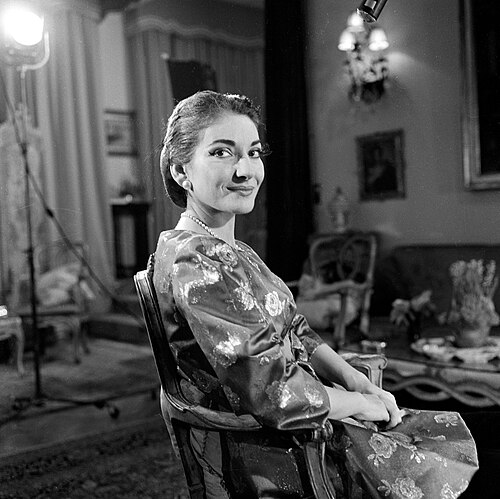
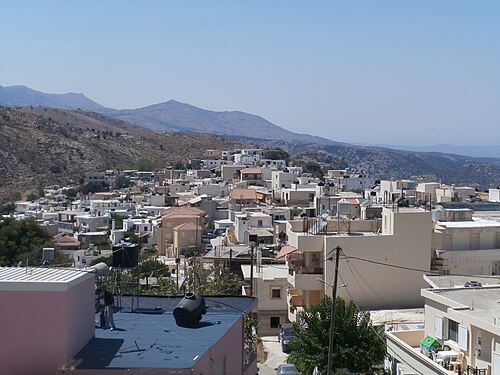
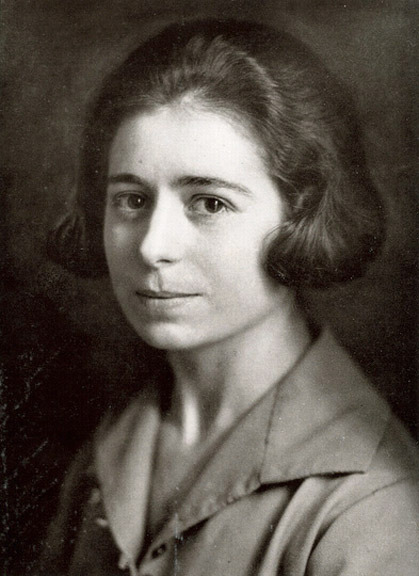
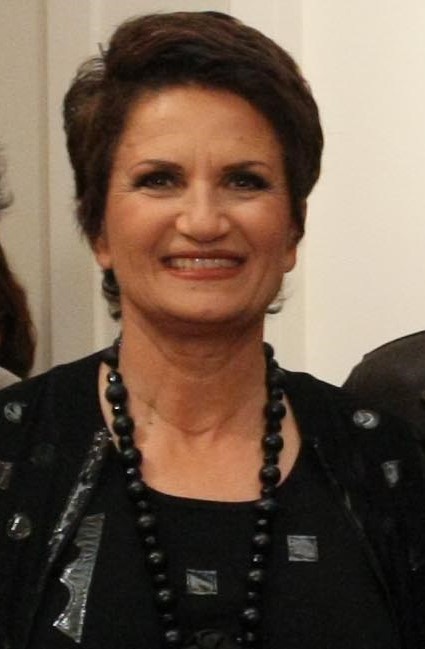
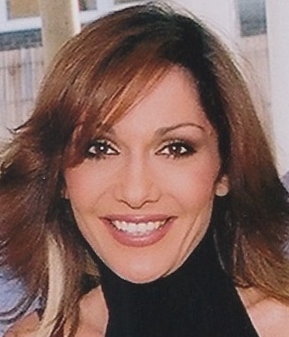
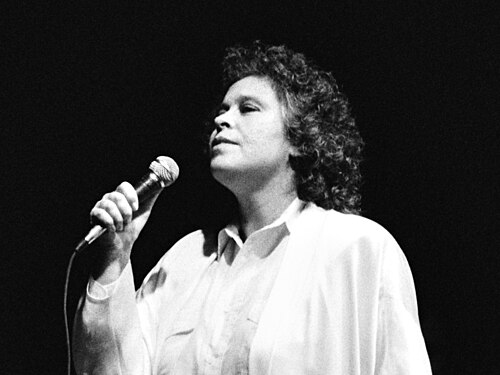
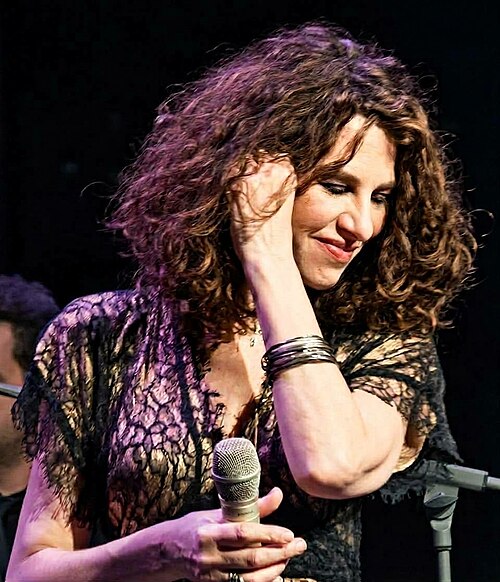
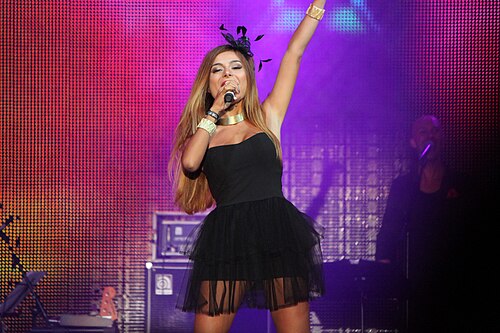
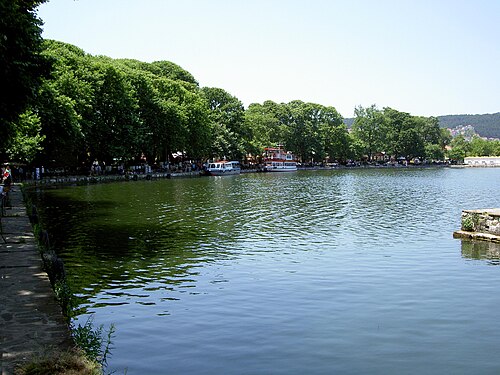
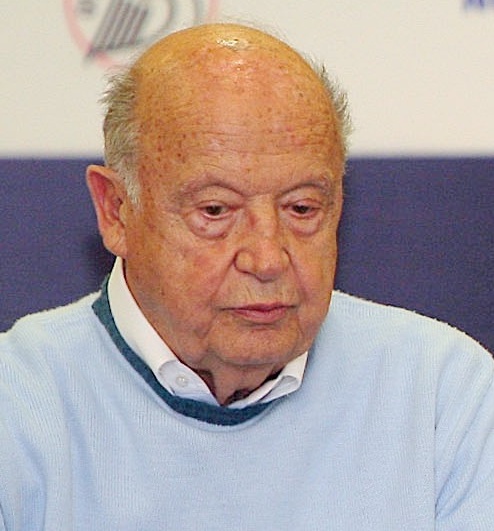
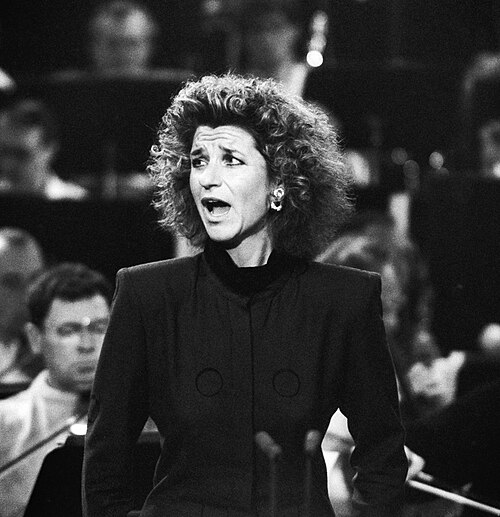
Agnes Baltsa, known in Greek as Agni Baltsa, was born on Lefkada on 19 November 1944. She began piano at seven at the island’s Orfeas musical and literary society. In a later interview she recalled searching the radio for Italian opera stations while her family took evening walks. Listening became a route towards the stage. In Athens she studied with Nounouka Frangia-Spiliopoulou, whom she credited with teaching responsibility and musical independence.
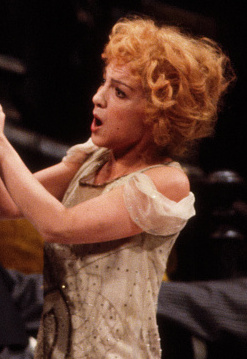
A Maria Callas scholarship took her to further training in Munich. She made her operatic debut in Frankfurt in 1968 as Cherubino in Mozart’s Le nozze di Figaro (The Marriage of Figaro). Her Vienna State Opera debut followed in 1970 as Octavian in Richard Strauss’s Der Rosenkavalier (The Knight of the Rose). She also appeared at Salzburg and major houses across Europe and North America. At New York’s Metropolitan Opera she first sang on 13 December 1979, again as Octavian.
Austria named her Kammersängerin in 1980, and the Vienna State Opera made her an honorary member in 1988. In November 2025 the International Opera Awards honoured her lifetime achievement at a ceremony hosted by the Greek National Opera in Athens.
Works

Baltsa’s repertoire shows how varied a mezzo-soprano’s dramatic work can be. Octavian is a young man sung by a female voice; Carmen is a woman who insists on her freedom; Eboli belongs to the political and emotional conflicts of Verdi’s Don Carlo. In Vienna she first sang these roles in 1970, 1973 and 1979 respectively. These are dates in her performing career, rather than the operas’ original premieres.
Her later Klytämnestra in Strauss’s Elektra brought another kind of dramatic presence: a troubled queen in a work based on Greek tragedy. The opera is sung in German. Carmen is French, and the Don Carlo performances listed here use Italian. For Baltsa, interpretation involved the particular colour of her mezzo voice as well as acting and musical discipline. Her interview observation about vocal colour explains why she did not simply pursue every higher-lying role offered to her.
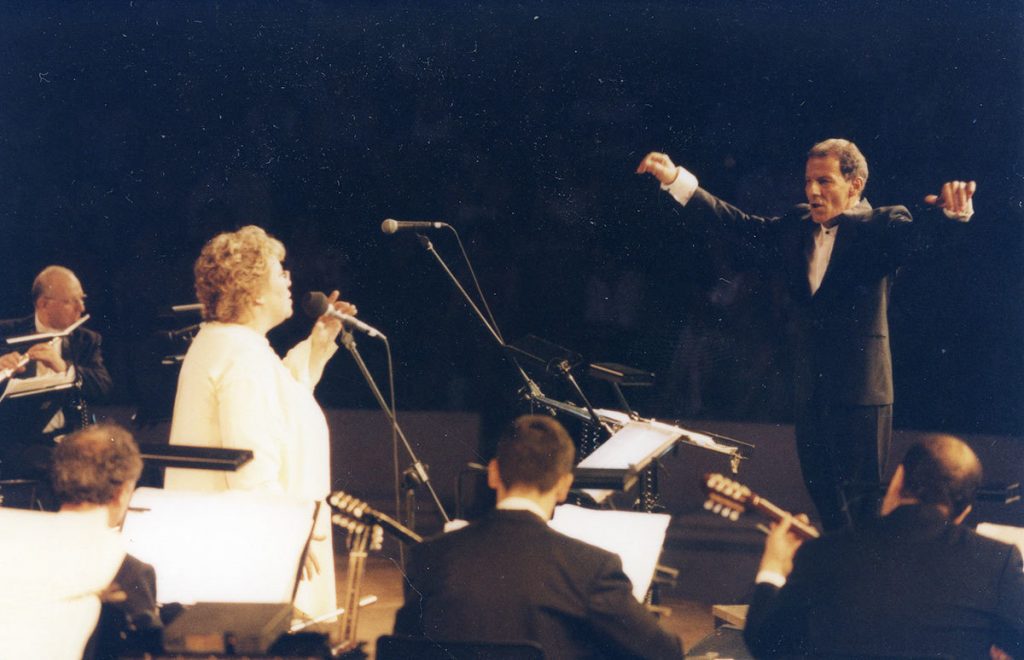
Greek song supplied another musical setting. Songs My Country Taught Me appeared in 1986 with the Athens Experimental Orchestra conducted by Stavros Xarhakos and bouzouki player Kostas Papadopoulos. Its Greek-language programme includes Hadjidakis, Theodorakis, Xarhakos and Tsitsanis. Orchestral accompaniment and bouzouki meet an operatically trained voice, offering a distinct approach to familiar Greek songs.
Legacy in Greece today
Baltsa connects Greek musical education with an international operatic career, while her Greek recordings offer a separate way into the language. On Deutsche Grammophon’s STAGE+ service, find track five of Songs My Country Taught Me: Το τρένο φεύγει στις οκτώ (The Train Leaves at Eight), composed by Mikis Theodorakis. Listen for the departure time in the title. Then practise the ordinary question Τι ώρα φεύγει το τρένο; and answer Στις οκτώ. Change the answer to Στις εννέα and say your own complete sentence. Compare the spoken question with the sung phrase: melody stretches syllables, but the small expression στις still introduces the time. The adapted passage below supports this A2 exercise.
Did you know?
- Began piano at seven in Lefkada’s Orfeas society.
- Her Vienna State Opera debut was Octavian in 1970.
- Received the International Opera Awards lifetime achievement honour in 2025.
Key works
| Greek title | Title | Year |
|---|---|---|
| Ο Ιππότης με το ρόδο — Οκτάβιαν | Der Rosenkavalier — Octavian, Vienna | 1970 |
| Κάρμεν — Κάρμεν | Carmen — title role, Vienna | 1973 |
| Ντον Κάρλο — Έμπολι | Don Carlo — Eboli, Vienna | 1979 |
| Songs My Country Taught Me | Songs My Country Taught Me — Greek-song album | 1986 |
| Ηλέκτρα — Κλυταιμνήστρα | Elektra — Klytämnestra, Vienna | 2007 |
A line to remember
Το χρώμα κάνει τη φωνή.
To chróma kánei ti foní.
Timbre defines the voice.