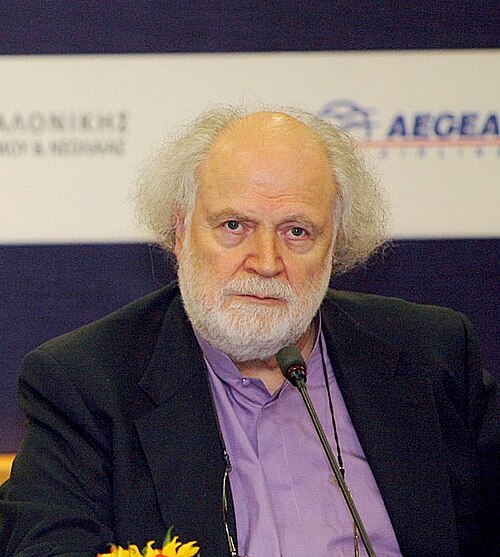
Life
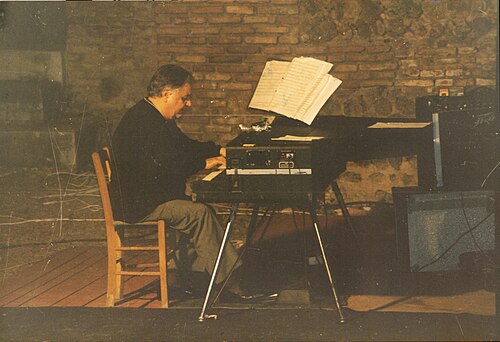
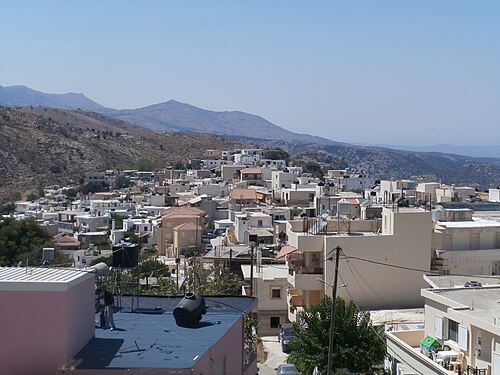
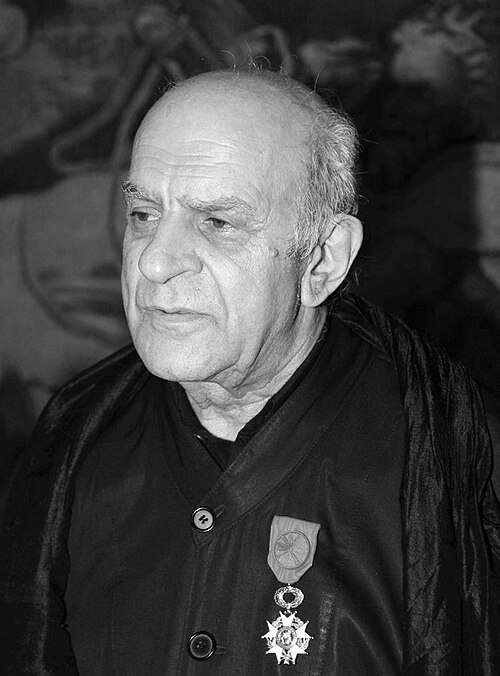
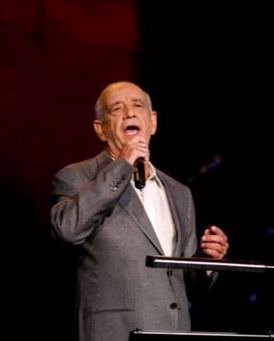
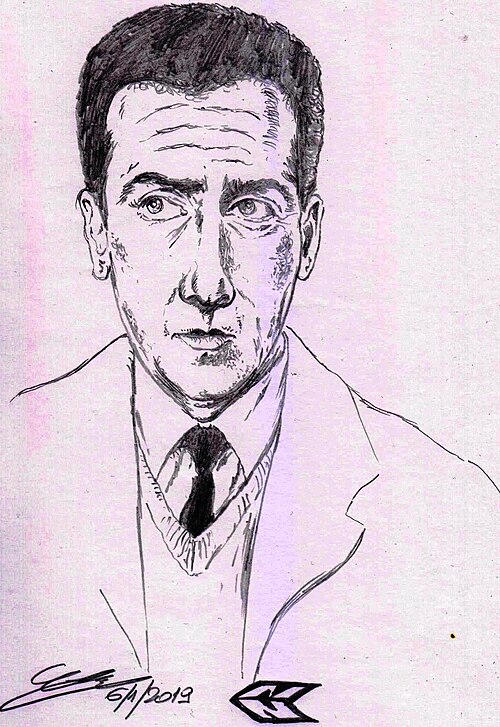
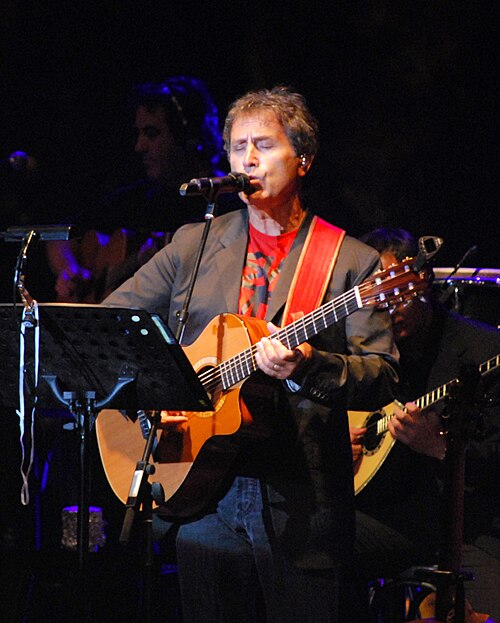
Giannis Markopoulos was born in Heraklion, Crete, on 18 March 1939 and grew up in Ierapetra. He learnt violin and played clarinet in the local band. Cretan music, orchestral broadcasts and sounds from the wider eastern Mediterranean formed an early listening world. In 1956 he moved to Athens for studies at the Athens Conservatory. Cinema became one field of work: his music for Nikos Koundouros's Μικρές Αφροδίτες (Young Aphrodites) received an award in Thessaloniki in 1963. After the military dictatorship began in 1967, he went to London, where he continued composing and expanded his musical knowledge with Elisabeth Lutyens.
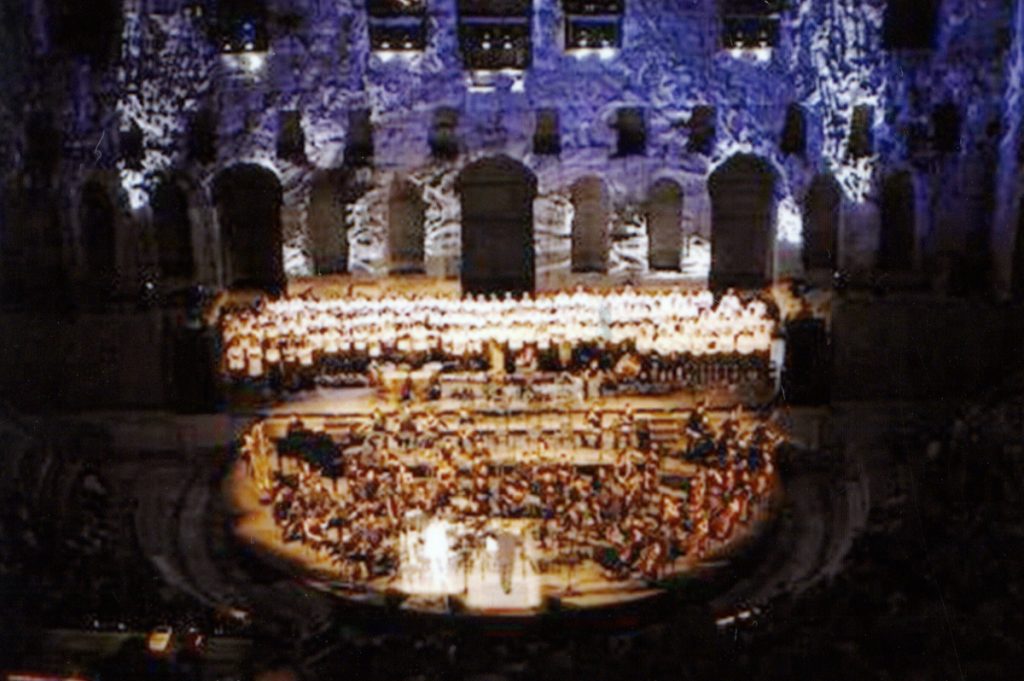
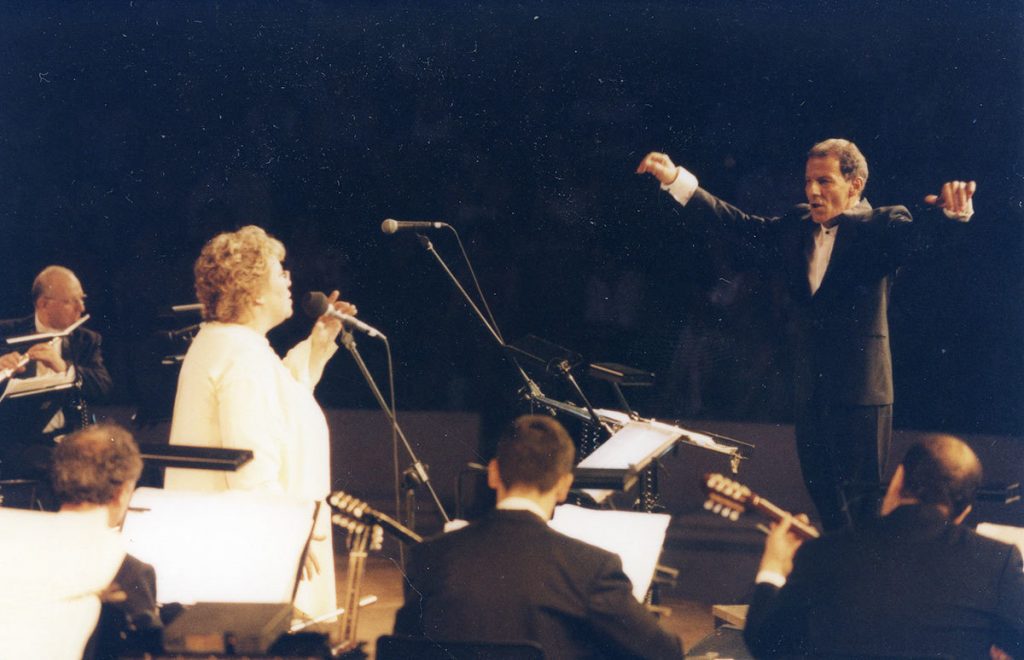
Returning to Athens in 1969, he developed song cycles and performances that connected contemporary composition with Greek instruments and voices. Nikos Xylouris became a central collaborator. Χρονικό (Chronicle, 1970), Ριζίτικα (Cretan Rizitika Songs, 1971) and Θητεία (Service, 1974) belong to this period, when music also carried a public demand for democratic freedom. His work extended beyond recorded songs to theatre, film, orchestral music and oratorio. In November 2012, Athens Concert Hall presented his symphonic works and Ήλιος ο Πρώτος (Sun the First), with soloists, orchestra and choir. Markopoulos died on 10 June 2023.
Works

Markopoulos called his artistic proposal Επιστροφή στις Ρίζες (Return to the Roots). This meant using living tradition to imagine new musical forms. The Cretan lyra, a bowed instrument, and the santouri, a hammered dulcimer, could meet instruments of the symphonic orchestra. The result was heard in composed works and in new treatments of existing material. Ριζίτικα (Cretan Rizitika Songs, 1971), performed with Nikos Xylouris, draws on traditional songs that Markopoulos adapted and orchestrated. Their traditional words and regional language are distinct from the adapted Modern Greek reading on this page.
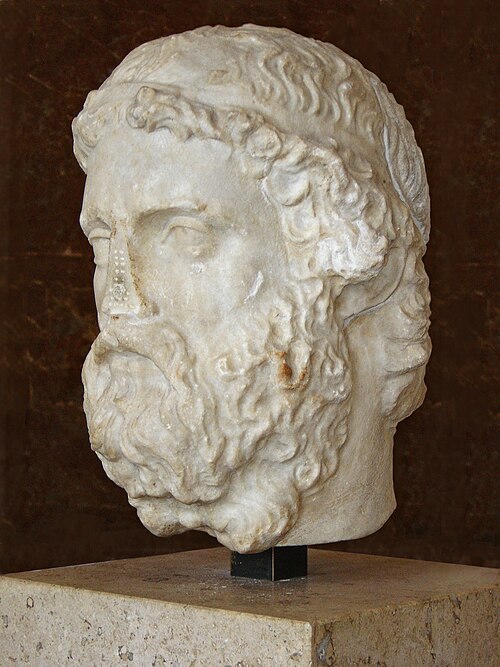
Poetry provided another sustained encounter. Ήλιος ο Πρώτος (Sun the First, 1969) brings music to Odysseas Elytis's collection of 1943, using singers, spoken narration and choir. In his signed album note, Markopoulos described a debt to Elytis's generation. Χρονικό (Chronicle, 1970) and Ιθαγένεια (Native Identity, 1972) use texts by K. H. Myris, while Θητεία (Service, 1974) uses Manos Eleftheriou's words. These are collaborations between a composer and writers, rather than poems authored by Markopoulos alone. For a learner, the title Ήλιος ο Πρώτος offers one clear, reusable detail: πρώτος means first, and its ending changes with the noun it describes.
Legacy in Greece today
Markopoulos made poetry and instrumental traditions part of a shared public musical experience. His recordings also preserve the contribution of particular poets, singers and instrumentalists. For a short Greek exercise, open the Athens Concert Hall programme for 13 November 2012 and find Ήλιος ο Πρώτος (Sun the First). Copy only the title, then write three examples of your own: ο πρώτος δίσκος, η πρώτη συναυλία, το πρώτο τραγούδι. Put them under ο, η and το in a notebook. Circle the changing ending of πρώτος. These phrases let you talk about a first record, concert or song; the exercise uses a written programme and does not require understanding all of Elytis's poetry.
Did you know?
- As a child in Ierapetra, he learnt violin and played clarinet in the local band.
- Ριζίτικα uses traditional Cretan songs in his arrangements.
- Elytis published Ήλιος ο Πρώτος in 1943; Markopoulos's musical work followed in 1969.
Key works
| Greek title | Title | Year |
|---|---|---|
| Ήλιος ο Πρώτος | Sun the First | 1969 |
| Χρονικό | Chronicle | 1970 |
| Ριζίτικα | Rizitika: Cretan traditional songs | 1971 |
| Ιθαγένεια | Native Identity | 1972 |
| Θητεία | Service | 1974 |
A line to remember
Το έργο το νιώθω σαν ένα χρέος στη γενιά του Ελύτη…
To érgo to niótho san éna chréos sti geniá tou Elýti…
I feel this work as a debt to Elytis's generation…