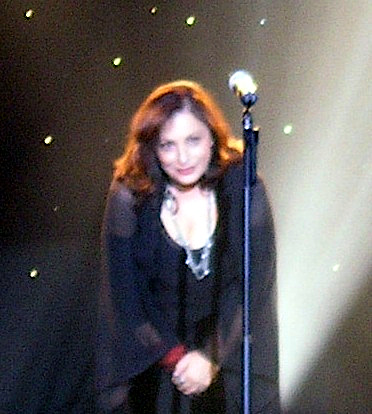
Life
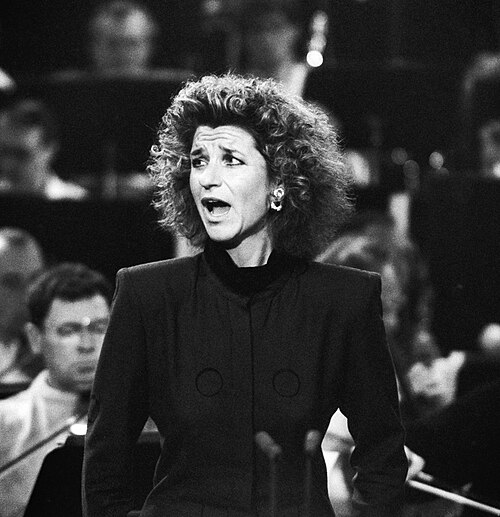
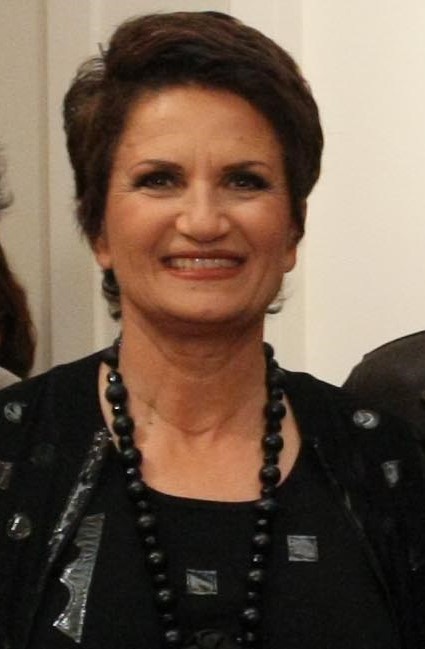
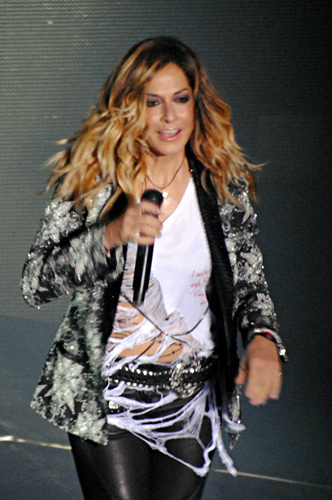
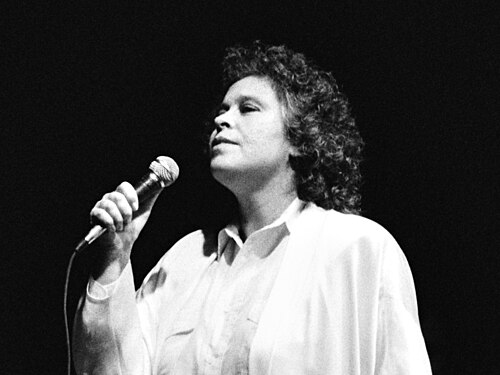
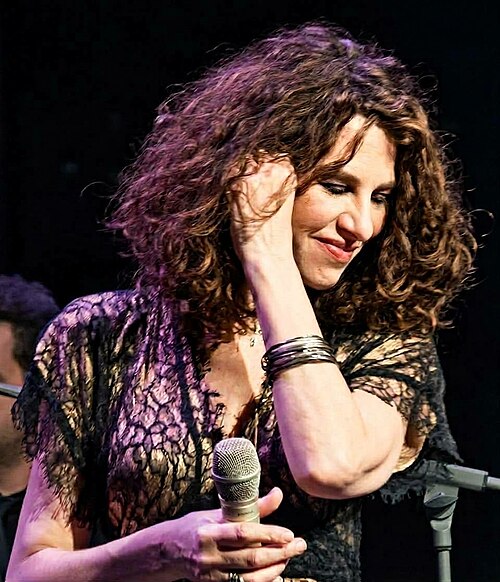
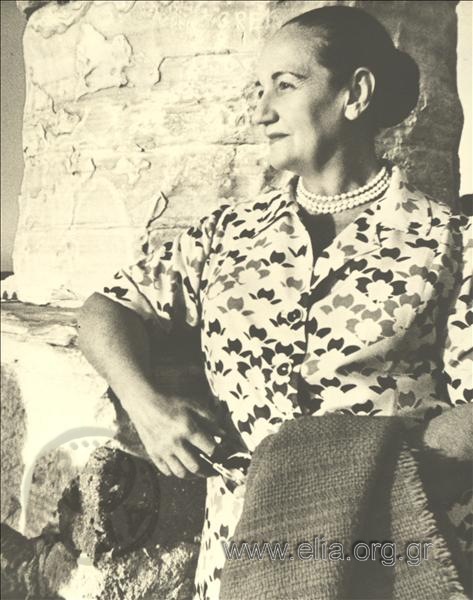
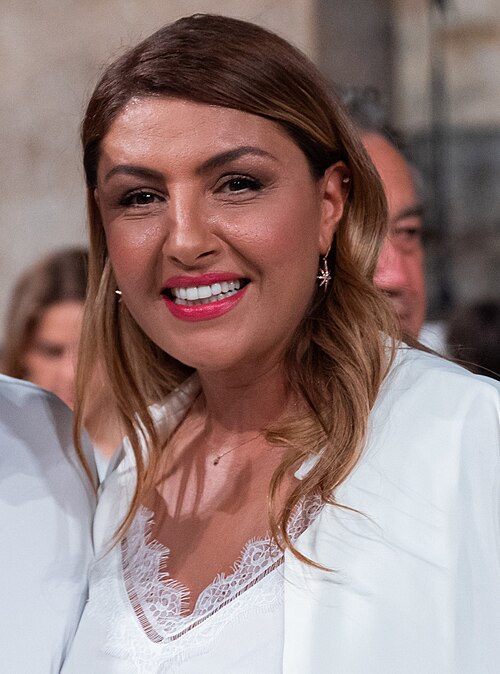
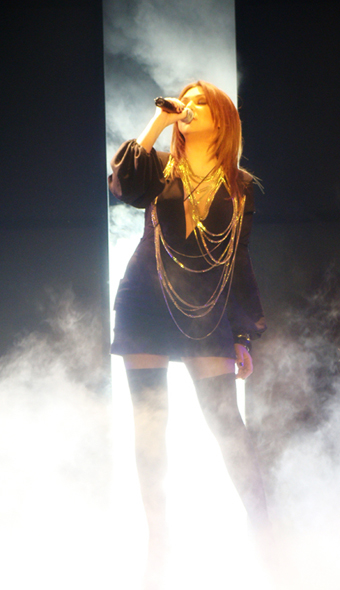
Haris Alexiou was born in Thebes in 1950. Her name also appears as Charis Alexiou, while audiences often use the affectionate Haroula. She entered recording in 1970 with a song by Vasilis Vasileiadis and Pythagoras. An important early encounter followed with Apostolos Kaldaras: she sang alongside Giorgos Dalaras on the album Μικρά Ασία (Asia Minor), a project that brought history and popular singing together. Her development belonged to a musical world in which performers, composers and lyricists worked closely together, each contributing a different part of a song.
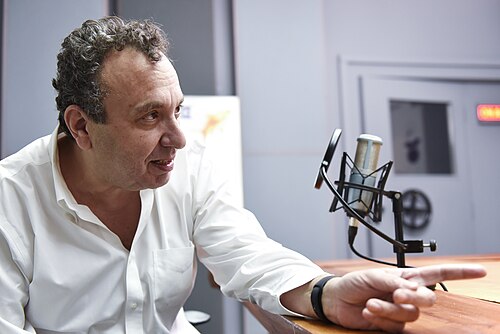
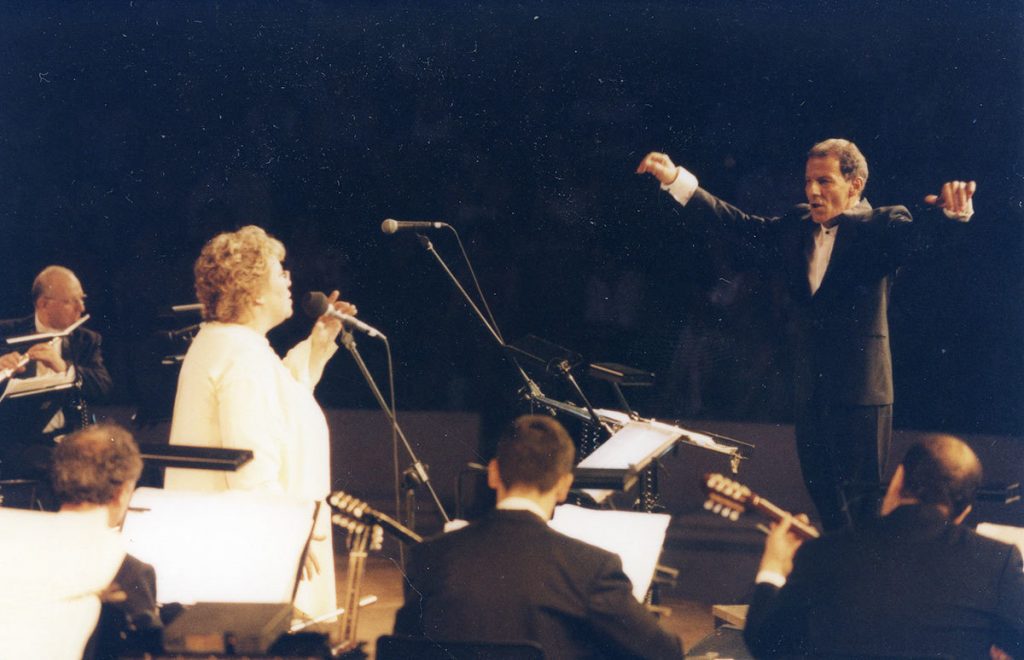
Her first solo album, 12 Λαϊκά Τραγούδια (Twelve Popular Songs), appeared in 1975. Collaborations with Manos Loizos, Christos Nikolopoulos, Nikos Antypas and many other writers gradually broadened her repertoire. Concerts took her beyond Greece to audiences across Europe and other continents. She also developed her own voice as a songwriter, adding words and music to her work as an interpreter. In later years she explored theatre, film and television, including Christoforos Papakaliatis's series Maestro. These changes make her career a story of repeated artistic beginnings: an established singer continued learning how to communicate through another person's dramatic world. In June 2020, she announced on ERT radio that she was stepping back from professional singing.
Works

Alexiou's recordings offer several routes into modern Greek song. In 12 Λαϊκά Τραγούδια (Twelve Popular Songs, 1975), the listener meets the direct emotional address of laiko, an urban popular tradition. The album includes Δημητρούλα μου (My Dimitroula). The title alone is a small language lesson: a familiar personal name and the possessive μου make affection audible before a learner understands a whole verse. Her role here is the interpreter's; the record credits several composers and lyricists.
Τα Τραγούδια της Χαρούλας (Haroula's Songs, 1979) brings together music by Manos Loizos and lyrics by Pythagoras and Manolis Rasoulis. Its track list includes Όλα σε θυμίζουν (Everything Reminds Me of You) and Τίποτα δεν πάει χαμένο (Nothing Goes to Waste). Δι’ ευχών (Through Prayers, 1992), with music by Nikos Antypas, points toward another sound; its lyricist credits include Lina Nikolakopoulou and Alexiou herself. Rather than treating every album as the same style, compare the arrangement, pace and weight of the voice. Her catalogue also includes Οδός Νεφέλης ’88 (Nefelis Street '88, 1995), Ψίθυροι (Whispers, 2000) and Reworks (2023), allowing listeners to follow change across decades.
Legacy in Greece today
Alexiou offers a bridge between the record collection and the screen. A learner who discovers her in Maestro can return to the recordings and hear a different form of storytelling. Her official website gathers a dated discography and track lists, making it practical to explore the career without relying on an anonymous playlist. Choose one album from the 1970s and one from the 1990s, listen to a track from each, and write down the instruments and three words you recognize. Then compare a filmed performance with a dramatic scene. Notice how a pause, a breath or a change of emphasis carries meaning in both singing and speech.
Did you know?
- Haroula is the familiar form by which many listeners know Haris Alexiou.
- Her official discography dates her first solo album to 1975.
- The 1992 album Δι’ ευχών credits Alexiou among its lyricists.
- Her later acting work includes the television series Maestro.
Key works
| Greek title | Title | Year |
|---|---|---|
| 12 Λαϊκά Τραγούδια | Twelve Popular Songs | 1975 |
| Τα Τραγούδια της Χαρούλας | Haroula’s Songs | 1979 |
| Δι’ ευχών | Through Prayers | 1992 |
| Οδός Νεφέλης ’88 | Nefelis Street ’88 | 1995 |
| Ψίθυροι | Whispers | 2000 |
| Reworks | Reworks: new versions | 2023 |
A line to remember
Ναι, πιάνω τον εαυτό μου να ονειρεύεται ακόμα!
Nai, piano ton eafto mou na oneirevetai akoma!
Yes, I catch myself still dreaming!