Life
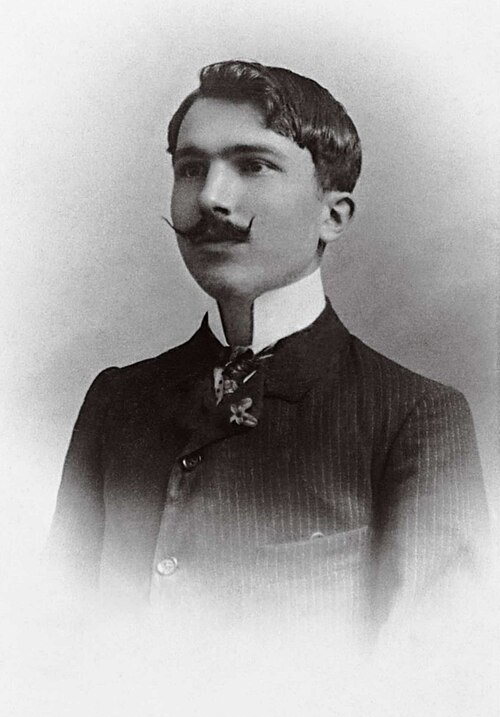
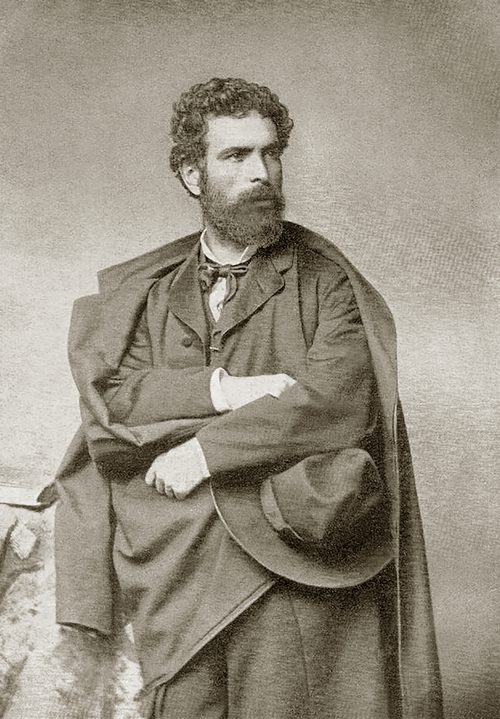
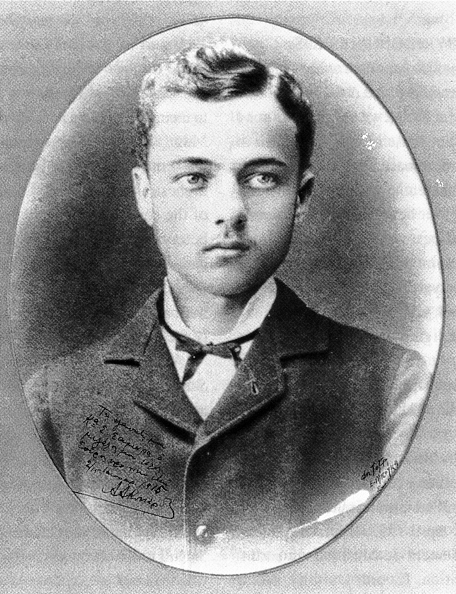
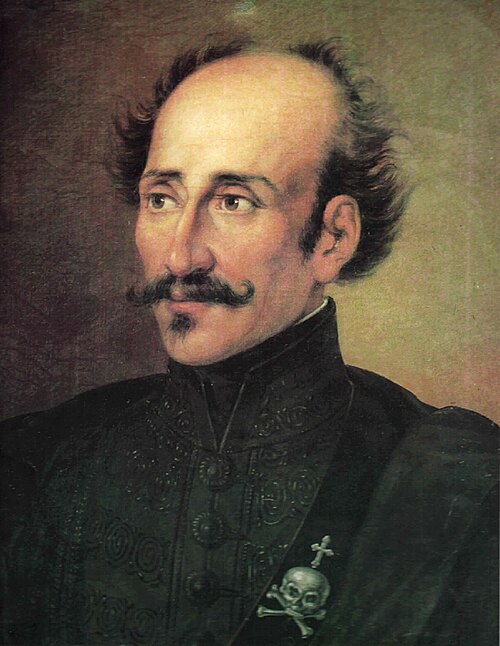
Ypsilantis was born in Constantinople on 12 December 1792, into one of the great Phanariot families, the Greek aristocracy of the Ottoman capital. His grandfather and his father, Konstantinos Ypsilantis, had been princes (hospodars) of Moldavia and Wallachia, the Danubian lands ruled for the Sultan by Greek governors. In 1806 his father fled to Russia, and the boy grew up in St Petersburg. He joined the Russian imperial guard, fought against Napoleon, and at the battle of Dresden in 1813 lost his right arm. He became an aide-de-camp of Tsar Alexander I and a major general while still in his twenties.
In April 1820 the leaders of the Filiki Etaireia, the secret society founded in Odessa in 1814 to prepare a Greek uprising, offered him its leadership after Ioannis Kapodistrias had refused it. Ypsilantis accepted. On 22 February 1821 he crossed the Prut into Moldavia, entered Iași and issued his proclamation to the Greeks. Russia, however, disowned him, the local population did not rise with him, and the Ottoman army moved north. On 7 June 1821 his forces were crushed at Dragatsani in Wallachia, where the Ιερός Λόχος (Sacred Band) of young Greek volunteers was almost wiped out. Ypsilantis fled to Austria, where he was arrested and held for more than six years in fortress prisons. Released at the end of 1827, broken in health, he died in Vienna on 31 January 1828.
Works

Ypsilantis's achievement was to start the Revolution. The Filiki Etaireia had spent years recruiting merchants, sailors, priests and klephts, but it needed a famous name and a signal. A prince, a general of the Tsar, a hero with an empty sleeve: he was that name, and many Greeks believed that Russia stood behind him. When he crossed the Prut, the news spread through the Greek world, and within weeks the Peloponnese, the islands and central Greece had risen. The rising in the south, not the campaign in the north, became the war that created modern Greece.
His proclamation of 24 February 1821 in Iași, «Μάχου υπέρ πίστεως και πατρίδος» (Fight for faith and fatherland), opens with the famous words «Η ώρα ήλθεν, ω Άνδρες Έλληνες!» (The hour has come, men of Greece!) and calls on all Greeks to follow the example of their ancestors. The campaign in the Danubian lands was badly prepared and quickly lost; historians blame both his inexperience and the betrayal of local allies. Yet the Sacred Band, the students and young merchants who died at Dragatsani under a flag bearing a phoenix, became one of the founding legends of the nation. His brother Dimitrios Ypsilantis went south and fought through the war in Greece.
Legacy in Greece today
Greeks remember Ypsilantis as the man who gave the signal. Streets and squares called Υψηλάντου are found in almost every town, and in Athens a well-known street in Kolonaki bears the family name. Since 1964 his remains have lain in Athens, in the Pedion tou Areos park, among the busts of the heroes of 1821. Every 25 March schoolchildren learn the opening of his proclamation, «Η ώρα ήλθεν», and the story of the Sacred Band. Across the Atlantic, the town of Ypsilanti in Michigan is named after his brother Dimitrios. A good thing to do: visit the Pedion tou Areos and look for his memorial, or read the first line of the proclamation aloud; it is old, formal Greek, but every word is still understood.
Did you know?
- He lost his right arm fighting Napoleon at the battle of Dresden in 1813.
- Kapodistrias, later the first governor of Greece, had refused the leadership of the Filiki Etaireia before Ypsilantis accepted it.
- He spent the last years of his life in Austrian prisons and never saw free Greece.
- Ypsilanti, Michigan, is named after his brother Dimitrios, not after him.
Key works
| Greek title | Title | Year |
|---|---|---|
| Η μάχη της Δρέσδης | Battle of Dresden, where he lost his arm | 1813 |
| Αρχηγός της Φιλικής Εταιρείας | Head of the Filiki Etaireia | 1820 |
| Το πέρασμα του Προύθου | Crossing of the Prut | 1821 |
| «Μάχου υπέρ πίστεως και πατρίδος» | Proclamation “Fight for Faith and Fatherland”, Iași | 1821 |
| Η μάχη του Δραγατσανίου | Battle of Dragatsani and the Sacred Band | 1821 |
From the works


Public-domain pictures from Wikimedia Commons.
A line to remember
Η ώρα ήλθεν, ω Άνδρες Έλληνες!
In today's GreekΉρθε η ώρα, Έλληνες!
I ora ilthen, o Andres Ellines!
The hour has come, men of Greece!