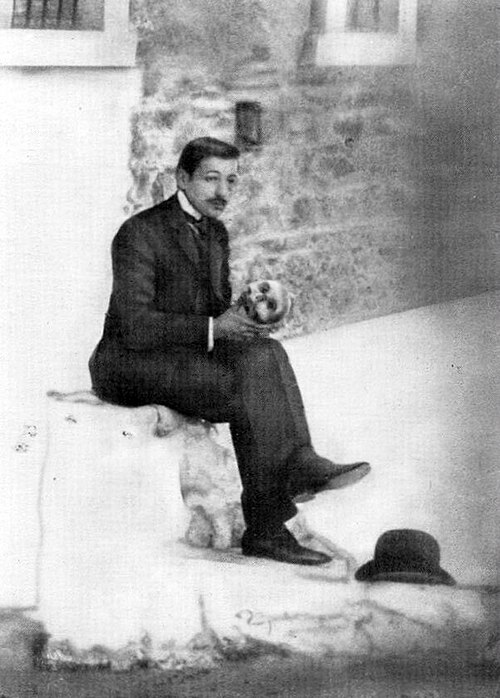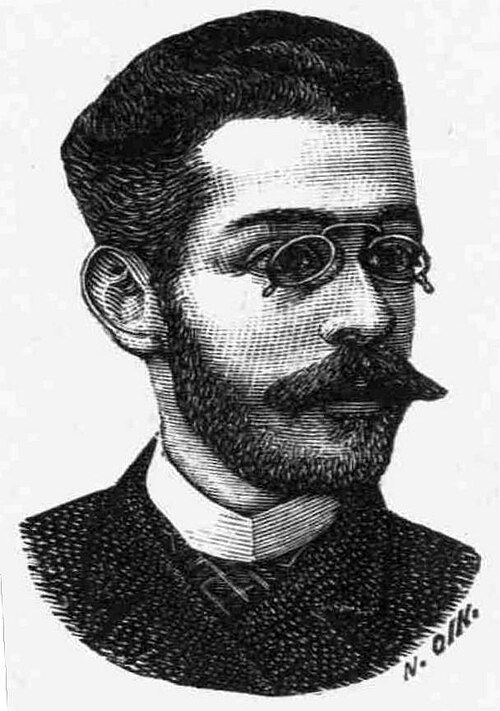
Life
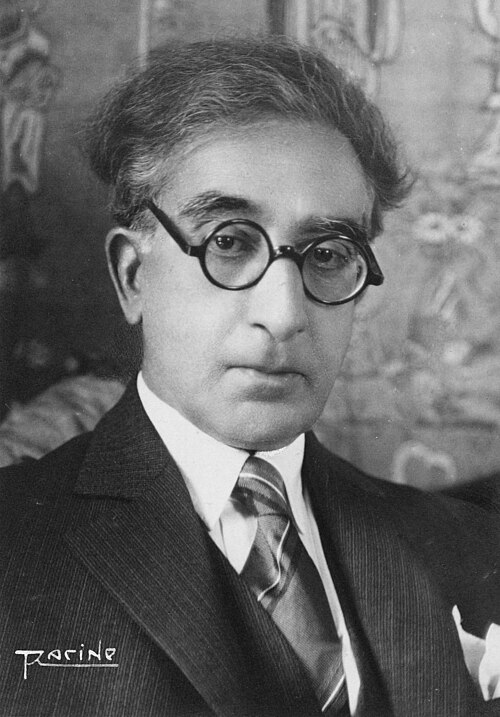
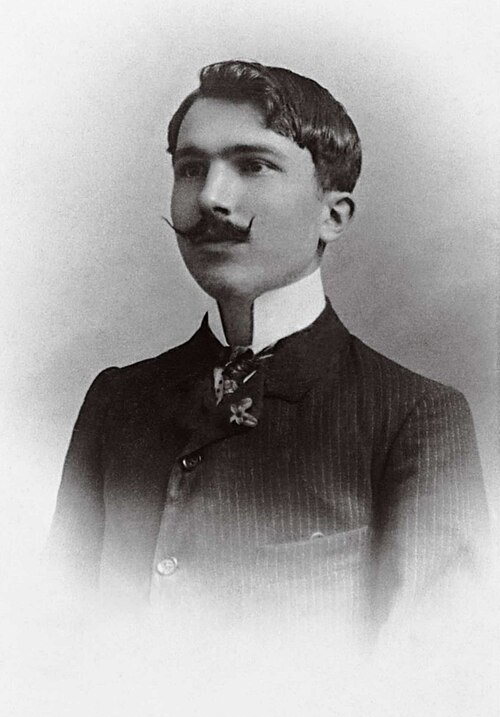
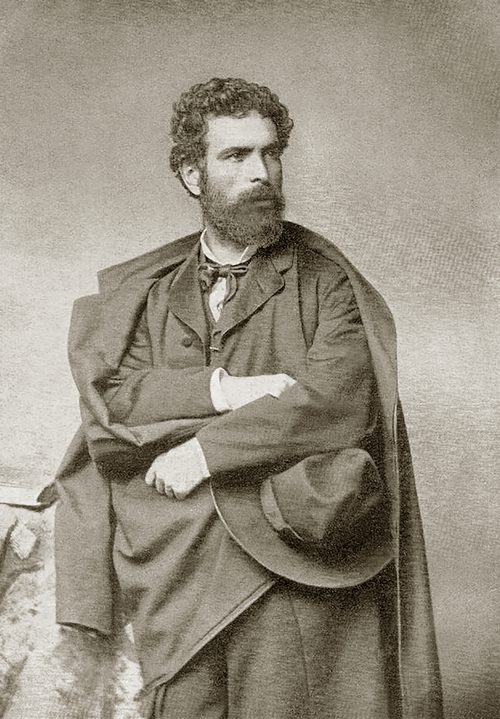
Drosinis was born in Athens on 9 December 1859, in the old quarter of Plaka, into a family with roots in Mesolongi, the town of the great siege of 1826. He went to the Varvakeio school, then studied law at the University of Athens without much enthusiasm, and in the 1880s spent several years in Germany, in Leipzig, Dresden and Berlin, where he studied literature and art history. In Athens he found his friends: Kostis Palamas, Nikos Kambas and the other young poets who would be called the New Athenian School or the Generation of 1880.
He was a man of institutions as much as of verse. In the 1880s he edited the literary magazine Εστία (Hestia), which under him became a daily newspaper in 1894. From 1899 he was secretary, and later president, of the Σύλλογος προς διάδοσιν ωφελίμων βιβλίων (Society for the Distribution of Useful Books), founded by Dimitrios Vikelas to put cheap, well-made books into the hands of ordinary Greeks; he ran it for half a century. At the Ministry of Education he directed the Department of Letters and Fine Arts (1914–1920 and 1922–1923), where he promoted school libraries.
In 1918 he bought, with his brother, an old family house in Kifisia, the garden suburb north of Athens, and from 1939 he lived there permanently. He kept writing into his eighties, published his last collection in 1947, and died in Kifisia on 3 January 1951, aged ninety-one, the last survivor of his generation.
Works

Drosinis published his first book, Ιστοί αράχνης (Spider Webs), in 1880, when he was twenty, and followed it with Σταλακτίται (Stalactites, 1881), Ειδύλλια (Idylls, 1884) and Αμάραντα (Amaranths, 1890). The titles are modest on purpose. Against the loud patriotic rhetoric of the previous generation, these are small, polished poems in demotic Greek, sometimes called «ποίηση της δροσιάς» by friends punning on his name (δροσιά means freshness, dew): a village girl, an almond tree in blossom, the sun going down behind the hills, a swallow's nest, the dead who lie in foreign soil. He learned from the Greek folk song and from the German lyric he had read as a student, and he gave Greek poetry a light touch it had lacked.
In prose he wrote the pastoral novella Αμαρυλλίς (Amaryllis, 1886), a summer love story in the countryside that was a great success, the novels Το βοτάνι της αγάπης (The Herb of Love, 1901) and Έρση (Ersi, 1922), short stories of village and town, and fairy tales for children. The later collections, Φωτερά σκοτάδια (Bright Darkness, 1915), Κλειστά βλέφαρα (Closed Eyelids, 1918), Το μοιρολόι της όμορφης (The Lament for the Beautiful Girl, 1927) and Θα βραδιάζει (Evening Will Fall, 1930), are quieter and sadder, poems of old age and farewell, still in the same clear language. Drosinis never had Palamas's ambition or range, and he knew it; what he had was tact, music and a love of ordinary things, and the gift of saying them in words a child can read.
Legacy in Greece today
The best way to meet Drosinis is where Greeks meet him: in the primary-school reader, where his short poems about the seasons and the countryside have appeared for generations, and in the serenades of old Athens. His poem Ανθισμένη αμυγδαλιά (The Flowering Almond Tree) became a classic καντάδα, a song students still sing with a guitar, and it gave its title to a 1959 film. His house in Kifisia, on the way to the station, belongs to the municipality and has housed the Drosinis Museum since 1997, with his study, portraits and manuscripts, next to the public library that bears his name. Many Greek towns have an Οδός Δροσίνη, usually near a street named after Palamas. Because he died in 1951 his work is in the public domain, and the Greek texts of his poems are freely available online.
Did you know?
- He published his first collection at twenty, in 1880, and his last at eighty-seven, in 1947.
- For fifty years he ran the Society for the Distribution of Useful Books, which sold cheap editions of classics and practical guides all over Greece.
- Friends punned on his name: δροσιά means dew or coolness, and his verse was praised for exactly that freshness.
- He outlived every other poet of the Generation of 1880, dying at ninety-one in 1951.
Key works
| Greek title | Title | Year |
|---|---|---|
| Ιστοί αράχνης | Spider Webs | 1880 |
| Σταλακτίται | Stalactites | 1881 |
| Αμαρυλλίς | Amaryllis (novella) | 1886 |
| Αμάραντα | Amaranths | 1890 |
| Φωτερά σκοτάδια | Bright Darkness | 1915 |
| Θα βραδιάζει | Evening Will Fall | 1930 |
From the works


Public-domain pictures from Wikimedia Commons.
A line to remember
Στίχους ποτέ δεν έγραψες εσύ; / Καλότυχος!… αν θες να με πιστέψεις, / μη γράψεις, είν' η τύχη σου χρυσή· / τον ποιητή καθόλου μη ζηλέψεις.
Stichous pote den egrapses esy? / Kalotychos!… an thes na me pistepseis, / mi grapseis, ein' i tychi sou chrysi; / ton poiiti katholou mi zilepseis.
You have never written verses? / Lucky you!… if you want to believe me, / don't write, your luck is golden; / don't envy the poet at all.
From the original
The text as Georgios Drosinis wrote it, out of copyright, with our own translation beside it.
«Πίστη»Faith
A complete short poem built on a single refrain: faith is not expecting what nature will give anyway, but expecting the impossible. Its plain demotic shows how far Drosinis' language had travelled since the katharevousa-tinged verse of his 1880s collections.
«Πίστη», complete poem · Public-domain text, source: el.wikisource.org