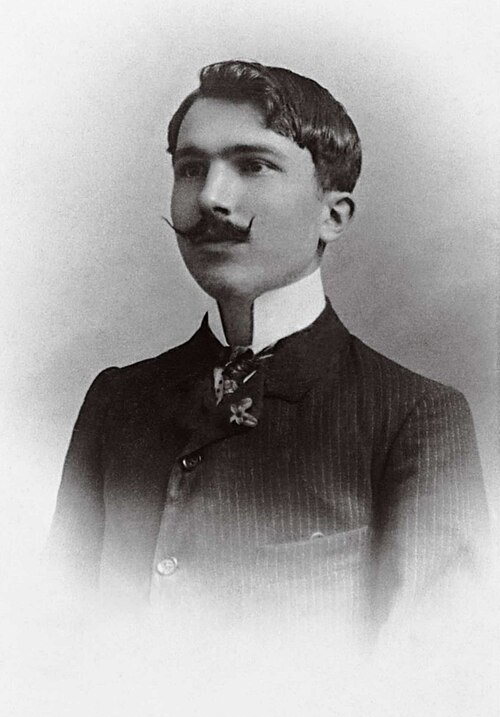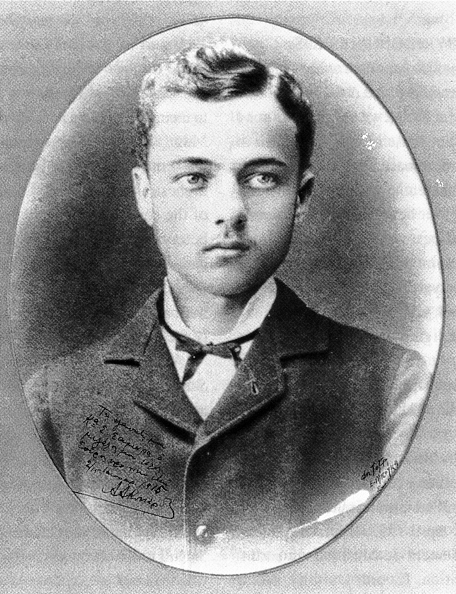
Life
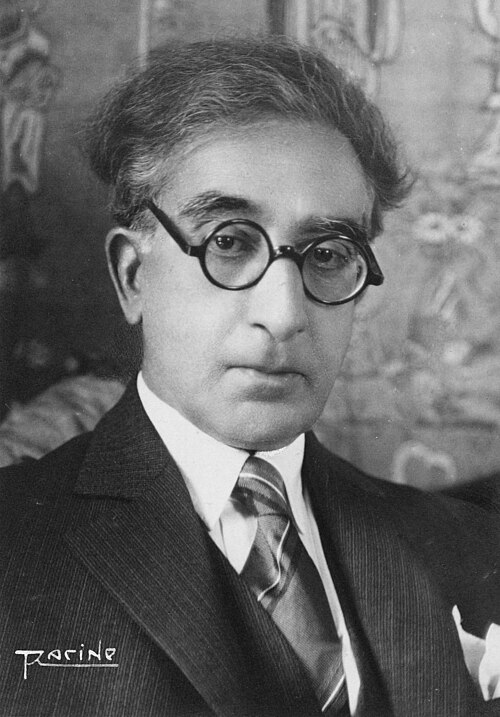
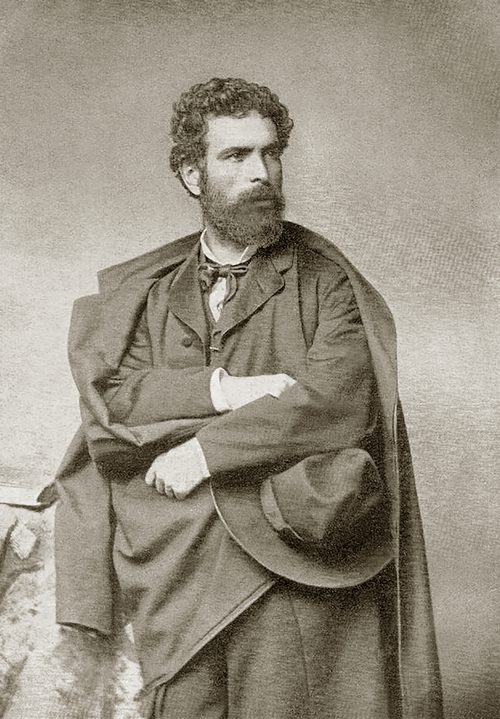
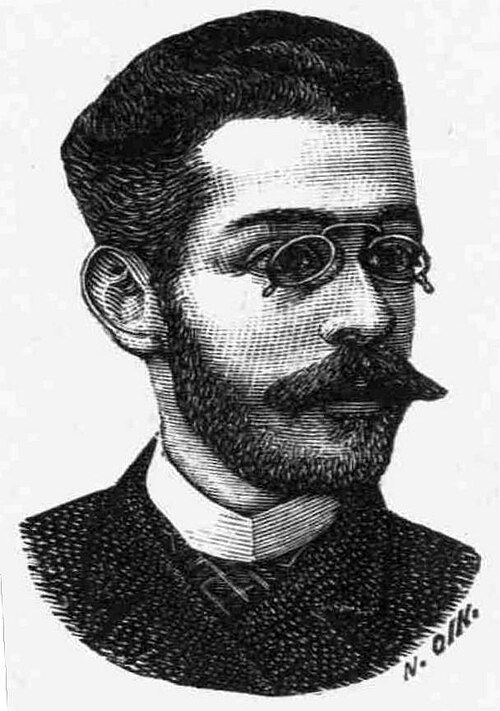
Samaras was born in Corfu in November 1861. The Ionian Islands had been under Venetian and then British rule, and Italian opera was part of everyday life there; Corfu had its own opera house and a strong tradition of music, the so-called Ionian School, led by composers such as Nikolaos Mantzaros, who wrote the music of the Greek national anthem. The boy studied music first in Corfu and then at the Athens Conservatory, and in the early 1880s he went to Paris to continue his studies.
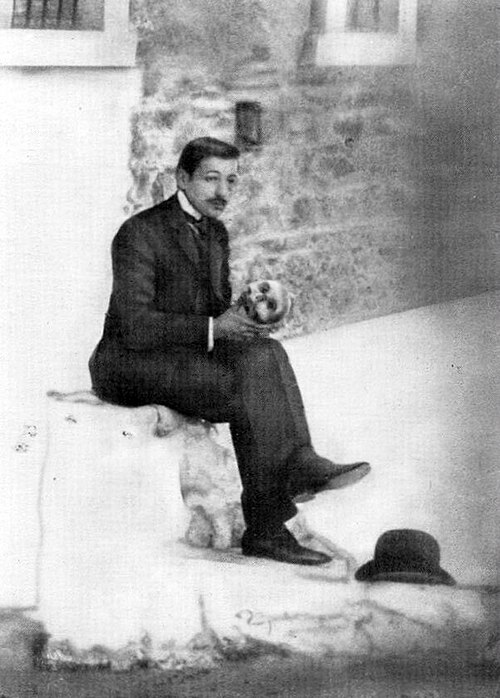
In the mid-1880s he moved to Italy, then the centre of the opera world, and in 1886 his opera Flora mirabilis was staged in Milan with great success. For about twenty years he lived and worked in Italy, writing operas for Italian stages and working with the important publisher Sonzogno; Italian critics counted him among the promising composers of the new generation. In 1896 he was in Athens for the first modern Olympic Games, for which he wrote the hymn sung at the opening ceremony. In 1911 he returned to Greece for good and settled in Athens, where he wrote operettas for the Greek public and taught. His last years were hard: he had little money and his health was poor. He died in Athens in April 1917, at the age of fifty-five.
Works

Samaras wrote mainly for the stage. His Italian operas include Flora mirabilis (1886), Medgé (1888), La martire (1894) and Rhea (1908), a story set in the Greek world of the Middle Ages; he also wrote songs and piano music. His style belongs to the Italian opera of the late nineteenth century, the world of Mascagni and Puccini: long, singable melodies, rich orchestra, strong drama. Back in Athens he turned to operetta, lighter musical theatre in Greek, and Η Κρητικοπούλα (The Cretan Girl, 1916) was one of his last successes.
His most famous work, though, is only a few minutes long. For the opening of the 1896 Olympic Games, on 6 April 1896 in the rebuilt Panathenaic Stadium in Athens, he set to music a poem by Kostis Palamas, Ολυμπιακός Ύμνος (Olympic Hymn), which calls on the "ancient immortal spirit" of Greece to come down and shine on the Games. It was sung by a large choir in front of King George I and the crowd. After 1896 the hymn was almost forgotten for decades, until the International Olympic Committee adopted it as the official Olympic anthem in 1958. Since then it is heard at the opening and closing ceremonies of every Olympic Games, while the Olympic flag is raised or lowered.
Legacy in Greece today
Every two years, at the Summer or Winter Olympics, billions of people hear Samaras's music, often sung in Greek. To meet him, look up the Olympic Hymn and read Palamas's words while you listen: the first lines, «Αρχαίο Πνεύμα αθάνατο», are known to many Greeks. In Corfu, his home island, the Philharmonic societies and the island's musical life still remember him as one of their own, and streets in Corfu, Athens and other towns carry his name. His operas, long forgotten, have begun to be staged and recorded again in recent years. For Greeks he is also a reminder of the Ionian Islands' place in Greek music.
Did you know?
- The Olympic Hymn was first sung on 6 April 1896, at the opening of the first modern Olympic Games in Athens.
- It became the official anthem of the Olympic Games only in 1958, more than forty years after Samaras's death.
- His first great success was not in Greece but in Milan, with the opera Flora mirabilis in 1886.
- The words of the Olympic Hymn are by Kostis Palamas, one of the great Greek poets.
Key works
| Greek title | Title | Year |
|---|---|---|
| Flora mirabilis | Flora mirabilis (opera, Milan) | 1886 |
| Medgé | Medgé (opera) | 1888 |
| Ολυμπιακός Ύμνος | Olympic Hymn (words by Kostis Palamas) | 1896 |
| Rhea | Rhea (opera, Florence) | 1908 |
| Η Κρητικοπούλα | The Cretan Girl (operetta) | 1916 |
From the works


Public-domain pictures from Wikimedia Commons.
A line to remember
Αρχαίο Πνεύμα αθάνατο, αγνέ πατέρα / του ωραίου, του μεγάλου και τ' αληθινού
Archaio Pnevma athanato, agne patera / tou oraiou, tou megalou kai t' alithinou
Ancient spirit, immortal, pure father / of the beautiful, the great and the true