Life
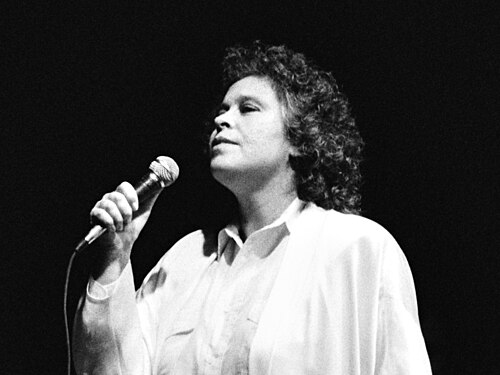
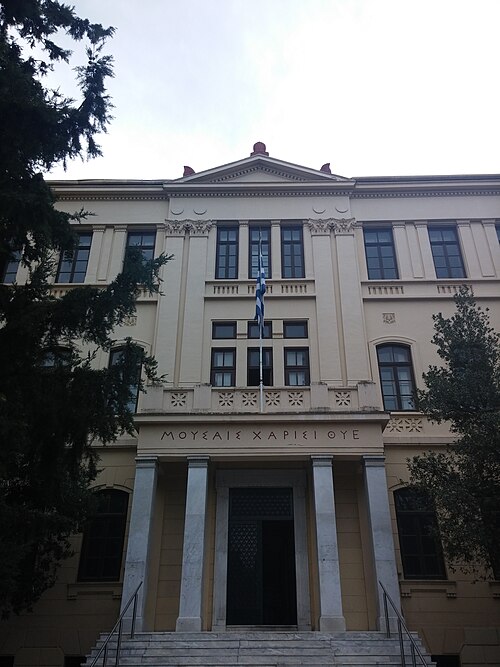
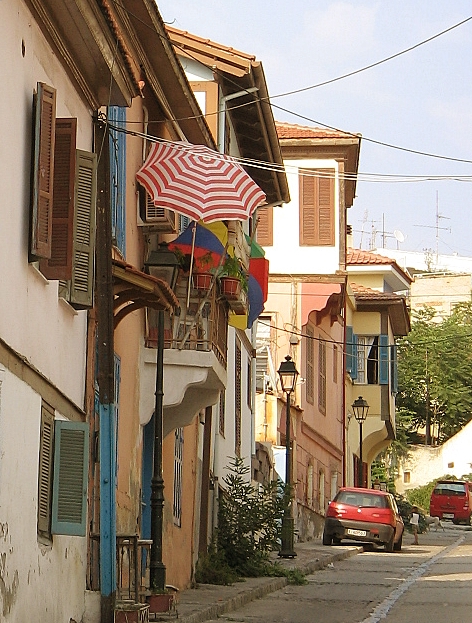
Despina Vandi was born in Tübingen, Germany, in 1969 as Despina Malea and grew up in Kavala in northern Greece. She later moved to Thessaloniki, where university studies and early singing work formed part of her route towards a professional music career. Athens became the next centre of that work. These places explain different stages of her life rather than different national identities: she is a Greek singer whose birthplace reflects the wider geography of Greek communities in Europe.
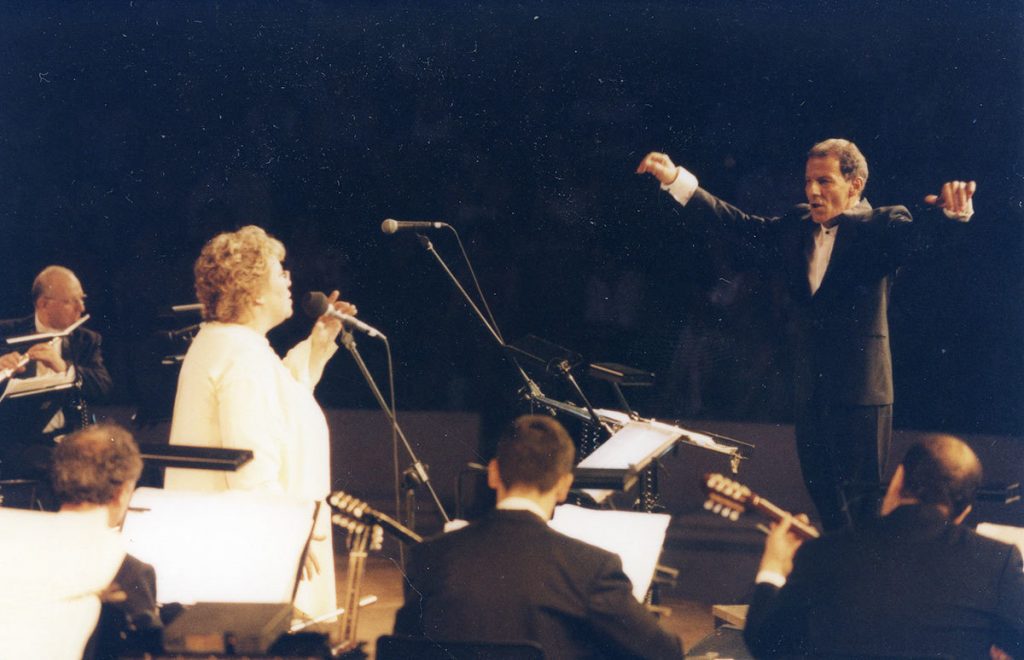
Her first album, Γέλα μου (Smile for Me), appeared in 1994. Work with songwriter and producer Phoebus became central to the next phase, including Προφητείες (Prophecies) in 1999 and Γεια (Hello) in 2001. The latter title travelled internationally as Gia, but the original album belongs to her Greek recording career. Alongside records and concerts, Vandi moved into musical theatre and television. In 2019 Το δικό μου σινεμά (My Own Cinema) gathered her interpretations of songs associated with Greek film and the stage production Το δικό μας σινεμά (Our Own Cinema). This change of repertoire makes a useful distinction for a listener: an artist can be known for contemporary pop while also interpreting songs that already carry memories for an older audience.
Works

Vandi’s repertoire lets a learner hear how everyday Greek becomes dramatic when it is sung. Γεια is a normal informal greeting, but as an album and song title it becomes a compact musical signal. Γέλα μου (Smile for Me) contains a short imperative and the little pronoun μου. These are useful forms to recognise in conversation as well as music. The point is not to turn every song into a grammar exercise: hearing a familiar expression in a new setting can make its rhythm and stress easier to remember.
Her work with Phoebus places clear refrains and expressive vocal delivery inside carefully arranged pop recordings. The album Γεια includes Χριστούγεννα (Christmas), showing how a seasonal word can also belong to a modern pop catalogue. Her cinema-song project changes the listening frame again. A new interpretation carries a melody and text that may be familiar from an older film, so listeners hear both the present singer and the earlier cultural setting. Compare one original pop recording with one track from Το δικό μου σινεμά. Notice the pace, the length of vowels and the space left around a phrase. Those differences are part of performance, not simply different levels of Greek difficulty.
Legacy in Greece today
Vandi’s recordings offer a bridge between contemporary entertainment and the Greek phrases a learner meets every day. Start with an official recording of Γεια: listen for the title. Then say γεια σου to one imaginary friend and γεια σας to a group, noticing how a musical title belongs to ordinary speech. Next choose a song from Το δικό μου σινεμά and identify one word you already know. Read the Greek passage here and use πόλη, τραγούδι and ακούω in three sentences of your own. This keeps the listening task manageable while her cinema repertoire invites you to discover an older Greek film and compare the same song in two voices.
Did you know?
- Her stage surname Vandi differs from her birth surname Malea.
- Γεια is both an everyday greeting and the title of her 2001 album.
- The 2019 album says “my cinema”; the stage production says “our cinema”.
Key works
| Greek title | Title | Year |
|---|---|---|
| Γέλα μου | Smile for Me | 1994 |
| Προφητείες | Prophecies | 1999 |
| Γεια | Hello | 2001 |
| Το δικό μου σινεμά | My Own Cinema | 2019 |
A line to remember
η σκηνή δεν λέει ποτέ ψέματα
i skini den leei pote psemata
the stage never lies