Life
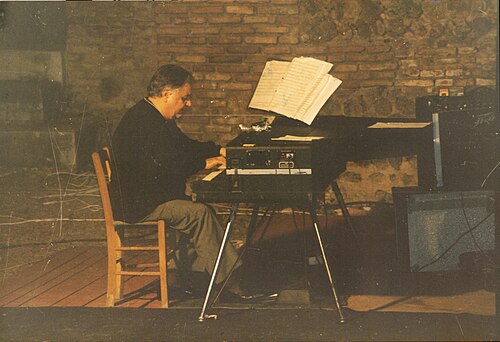
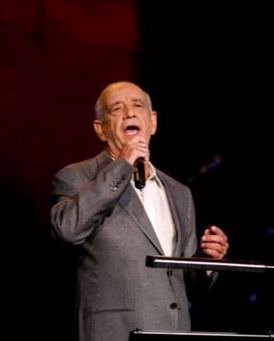
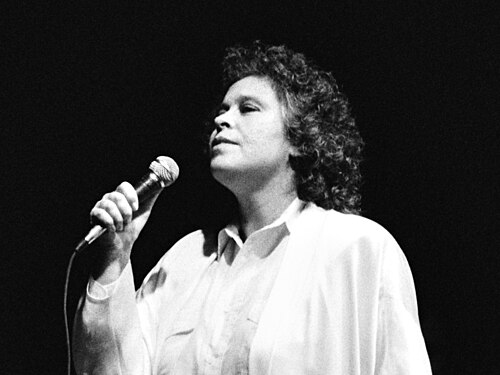
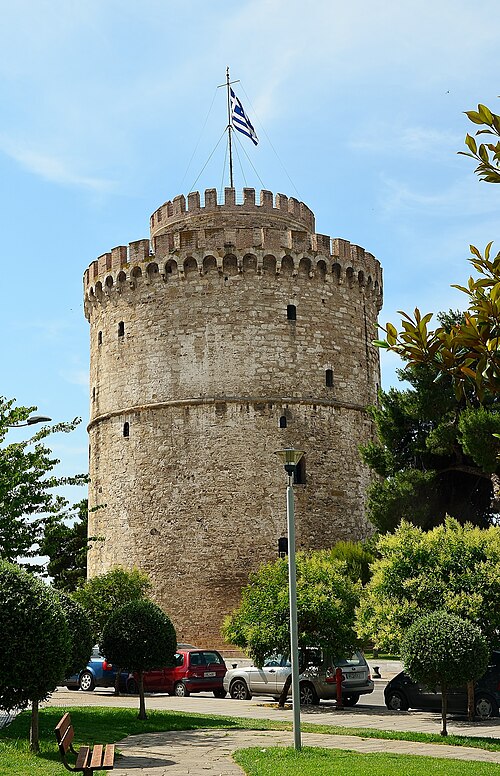
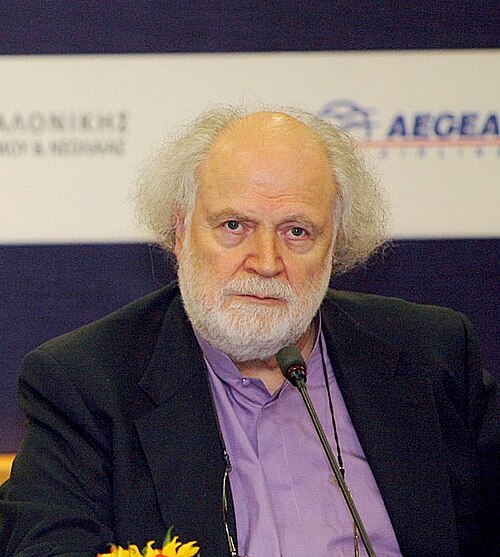
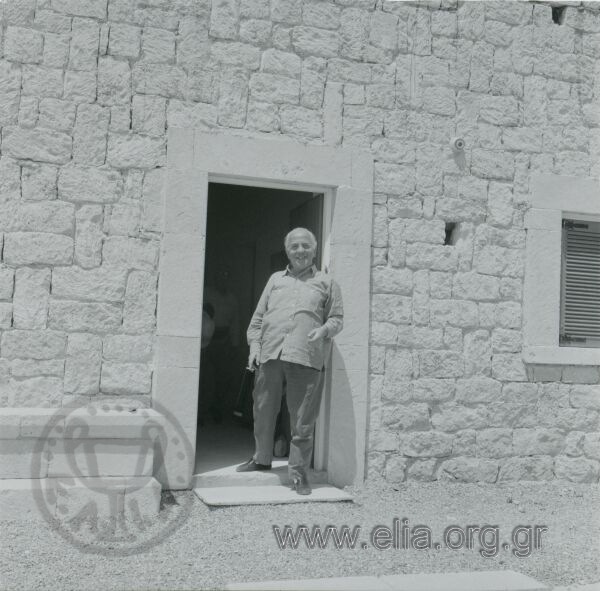
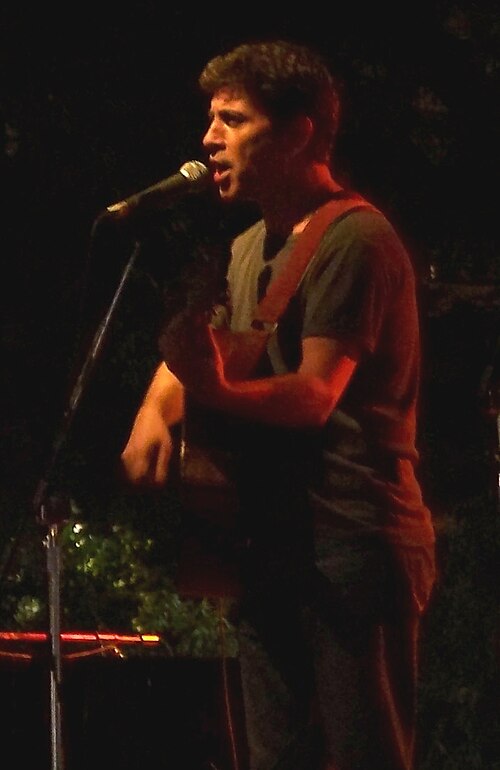
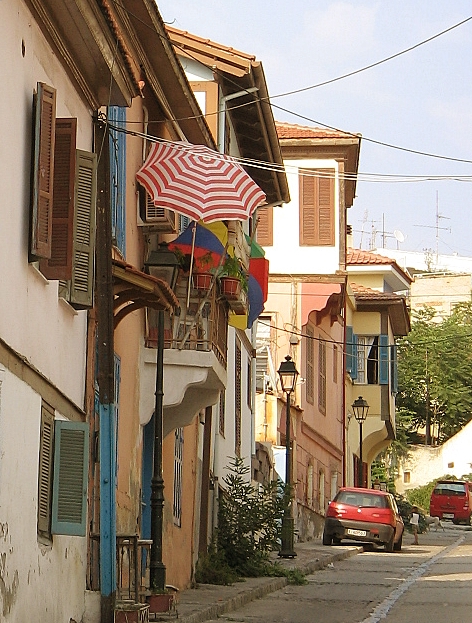
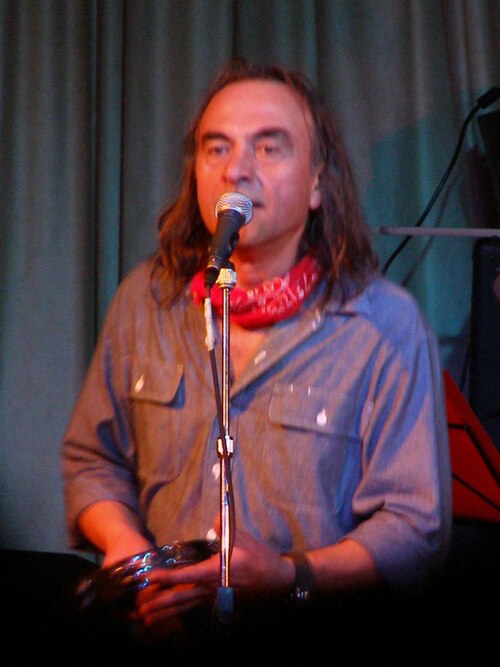
Nikos Papazoglou was born in Thessaloniki on 20 March 1948. He began performing in bands during the 1960s, including the Fratelli and Olympians. With Zealot he travelled to West Germany and recorded material in Milan, pursuing an international musical route before returning to Greece. His encounters with Dionysis Savvopoulos, Nikos Xydakis and Manolis Rasoulis brought him into another creative circle. He participated in Savvopoulos's Aristophanes project Αχαρνής (Acharnians), and in 1978 became a central singing voice on Η εκδίκηση της γυφτιάς (The Gypsies' Revenge), chiefly with music by Xydakis and words by Rasoulis.
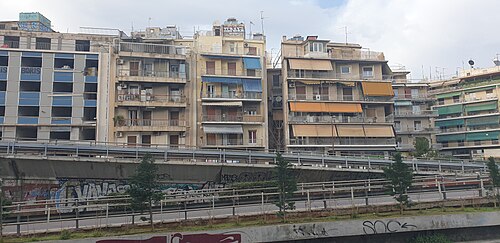
Thessaloniki remained the base for his work in recording and production. Papazoglou built the Agrotikon studio with his own technical labour and established Stroggyloi Diskoi, helping younger musicians record their first work. Sokratis Malamas and Thanasis Papakonstantinou were among the songwriters he supported. His personal albums included Χαράτσι (Levy, 1984), Μέσω νεφών (Through Clouds, 1986), Σύνεργα (Tools, 1990) and Μάισσα σελήνη (Enchantress Moon, 2005). His work also reached cinema: in 2005 he received a Greek State Music Award for Eleni Alexandraki's Η νοσταλγός (The Woman Who Missed Home). He died on 17 April 2011.
Works

Papazoglou's work joined the singer's voice to the practical business of recording, arranging and producing. His band experience remained part of a sound that brought Greek popular song into contact with contemporary instruments and performance. The collaborative album Η εκδίκηση της γυφτιάς (The Gypsies' Revenge, 1978) made the division of roles especially clear: Xydakis and Rasoulis supplied much of the music and words, Savvopoulos produced and Papazoglou was a major interpreter. His later personal records brought his own songwriting alongside words by other writers. Χαράτσι (Levy, 1984) includes Αύγουστος (August), while Μάισσα σελήνη (Enchantress Moon, 2005) includes the film song Στιγμές (Moments).
The studio was a cultural contribution in its own right. At Agrotikon, musical ideas could become records through equipment, technical knowledge and collaboration, giving younger songwriters a place to develop. A small example of the resulting repertoire is Καλημέρα (Good Morning), from Μέσω νεφών (Through Clouds, 1986), with lyrics by Takis Simotas. Its opening contains the everyday time phrase το πρωί, in the morning. The greeting in the title offers a manageable language starting point, while the complete song requires more listening support. It lets a learner move from a recorded voice to something immediately useful in a morning encounter.
Legacy in Greece today
Papazoglou's recordings remain an entry into Greek everyday speech as well as musical history. On the Nikos Papazoglou - Topic YouTube channel, open Kalimera, from Μέσω νεφών (Through Clouds, 1986). Read the Greek title Καλημέρα, then listen near the beginning for το πρωί, in the morning. Try three short encounters of your own: greet a neighbour in the morning with Καλημέρα; greet someone later in the day or evening with Καλησπέρα; say Καληνύχτα when parting at night or going to bed. Practise with another person, changing the time and deciding whether you are arriving or leaving. The song supplies a real cultural starting point; the greetings activity uses ordinary spoken Greek.
Did you know?
- Agrotikon was his recording studio in Thessaloniki's Toumba district.
- Good Morning has lyrics by Takis Simotas.
- Moments appears on Enchantress Moon and in Eleni Alexandraki's film The Woman Who Missed Home.
Key works
| Greek title | Title | Year |
|---|---|---|
| Η εκδίκηση της γυφτιάς | The Gypsies' Revenge (collaborative album) | 1978 |
| Χαράτσι | Levy | 1984 |
| Μέσω νεφών | Through Clouds | 1986 |
| Σύνεργα | Tools | 1990 |
| Μάισσα σελήνη | Enchantress Moon | 2005 |
A line to remember
Είμαι ένας εργάτης του τραγουδιού.
Íme énas ergátis tou tragoudioú.
I am a worker of song.