Life
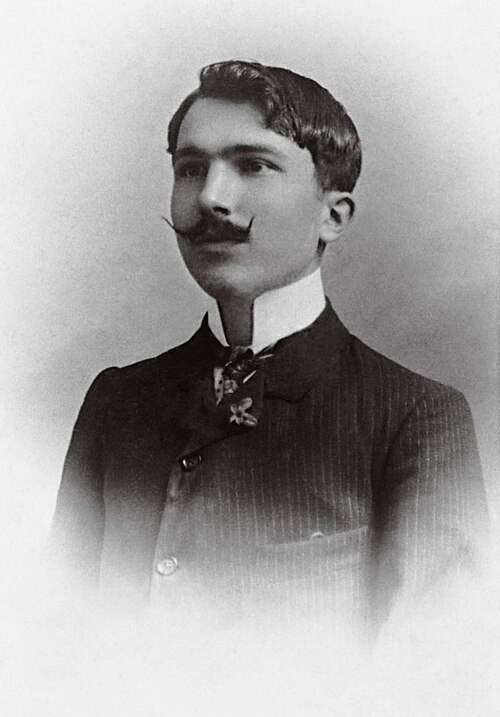
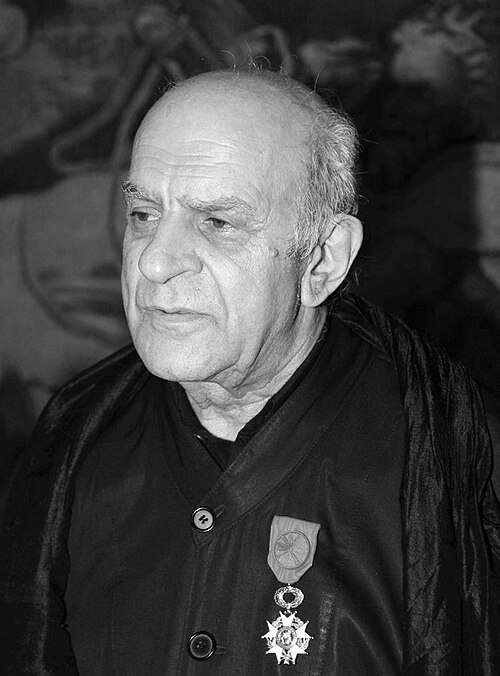
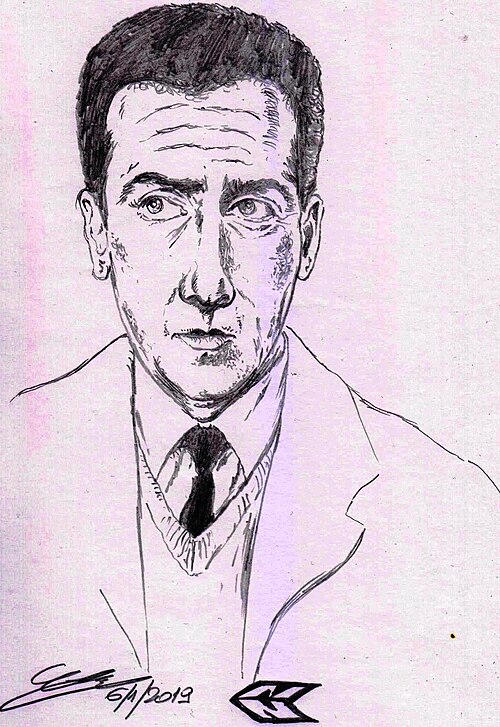
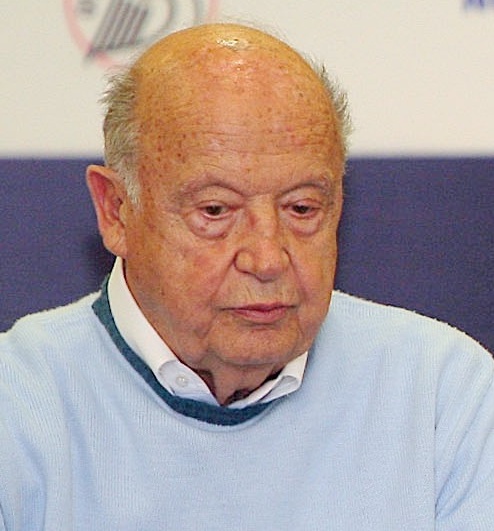
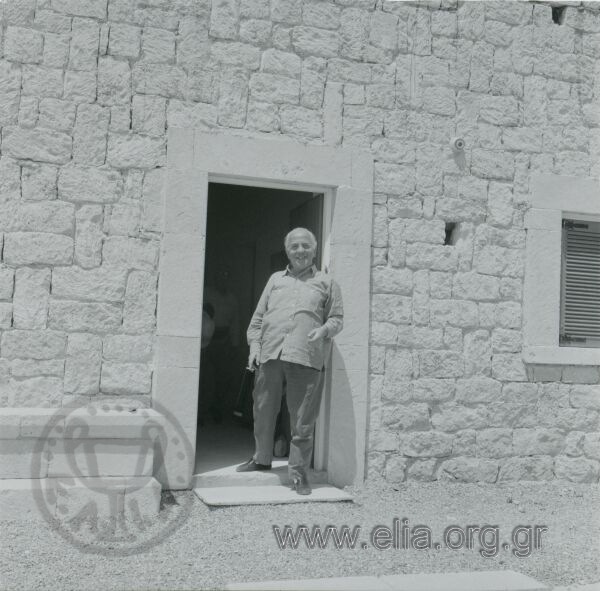
Andreas Frangias was born and grew up in Athens in 1921. He attended the Athens School of Economics and Business but did not complete a degree. He began journalistic work in 1940, interviewing artists, and joined the Resistance during the Occupation, working in the underground press. In 1947 he was exiled to Ikaria. During military service he was sent to Makronisos, where he remained through much of 1950–1952. These experiences belong to the historical background of his fiction. Journalism continued to provide his livelihood after his return, through work for several newspapers and magazines.
His debut novel, Άνθρωποι και σπίτια (People and Houses), appeared in 1955. Η καγκελόπορτα (The Iron Gate, 1962) followed, then Λοιμός (Pestilence, 1972). The last became the basis of Pantelis Voulgaris's film Happy Day in 1976. Το πλήθος (The Crowd) appeared in two volumes in 1985 and 1986 and received the State Novel Prize for 1987. Frangias was also a friend and colleague of writers Aris Alexandrou and Dimitris Hatzis. In 2000 he received the Grand State Literary Prize for his complete work. He died on 6 January 2002. His small published body of novels offers different ways of examining ordinary lives under historical and collective pressure.
Works

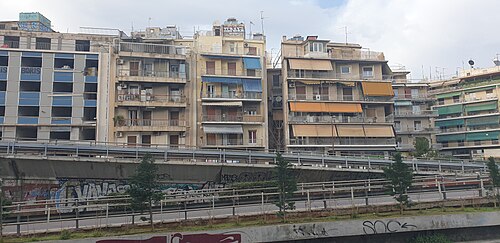
Άνθρωποι και σπίτια (People and Houses, 1955) is set in an Athens neighbourhood a year after the Liberation. Damaged homes and unemployment shape everyday relationships. Argyris is a skilled worker who cannot find work; Georgia's sewing and the threatened sale of her machine connect household objects with survival and dignity. The school anthology excerpt moves between their conversation and memories of earlier hardship. Georgia asks a friend about work for both of them. The short reply για σένα και για μένα (for you and for me) makes mutual care audible within the strain.
Η καγκελόπορτα (The Iron Gate, 1962) continues the examination of postwar urban life. Λοιμός (Pestilence, 1972) turns towards an unnamed camp and the organised destruction of individuality. Its fictional world draws on historical experience without becoming a documentary record. Το πλήθος (The Crowd, 1985–1986) develops collective control through a city of signs, demolition, films and manufactured spectacle. Across these different forms, people struggle against forces larger than themselves. For an initial Greek task, stay with the supported workplace conversation: say Ψάχνω για δουλειά (I am looking for work), ask Για σένα; (For you?), then answer Για μένα (For me). Switch roles to practise who each pronoun refers to.
Legacy in Greece today
Frangias's novels remain in the Kedros catalogue and in Greek school reading. Open the Ministry of Education excerpt Άνθρωποι και σπίτια (People and Houses) and find the conversation where Georgia explains that she asked about work for both partners. Then make a new dialogue with a classmate. Say Ψάχνω για δουλειά (I am looking for work); your partner asks Για σένα; (For you?); answer Για μένα (For me). Exchange roles and repeat, noticing that the same person is σένα to the listener and μένα when speaking. Add one practical question, Ποια εργαλεία χρειάζεσαι; (Which tools do you need?). The scene offers a small speaking exercise before the original novel's demanding social detail.
Did you know?
- He began Άνθρωποι και σπίτια in 1947; it was published in 1955.
- His four published novels include the two-volume Το πλήθος.
- Λοιμός became the basis of Pantelis Voulgaris's Happy Day in 1976.
Key works
| Greek title | Title | Year |
|---|---|---|
| Άνθρωποι και σπίτια | People and Houses | 1955 |
| Η καγκελόπορτα | The Iron Gate | 1962 |
| Λοιμός | Pestilence | 1972 |
| Το πλήθος | The Crowd — two volumes | 1985–1986 |
A line to remember
Για σένα και για μένα.
Gia séna kai gia ména.
For you and for me.