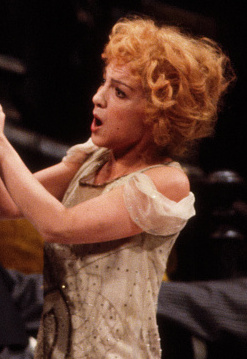
Life
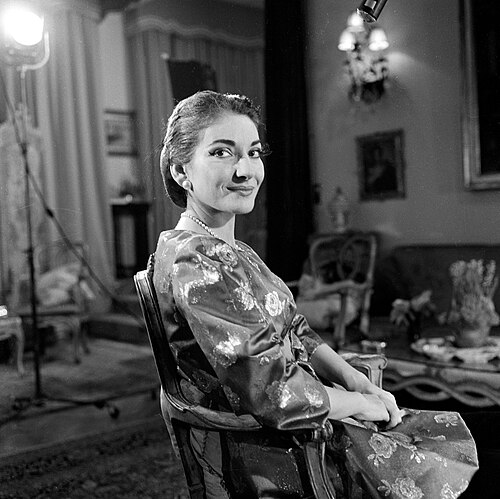
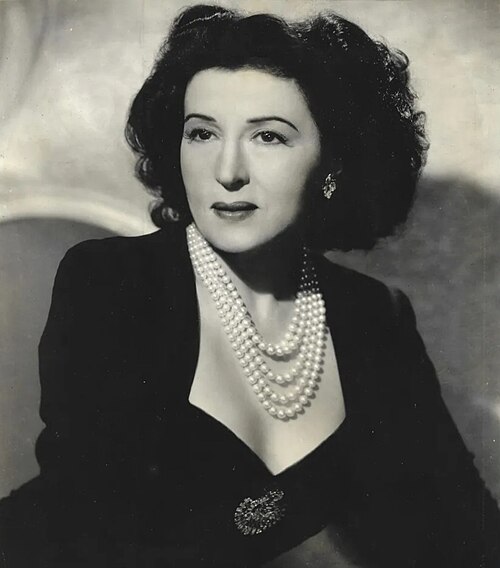
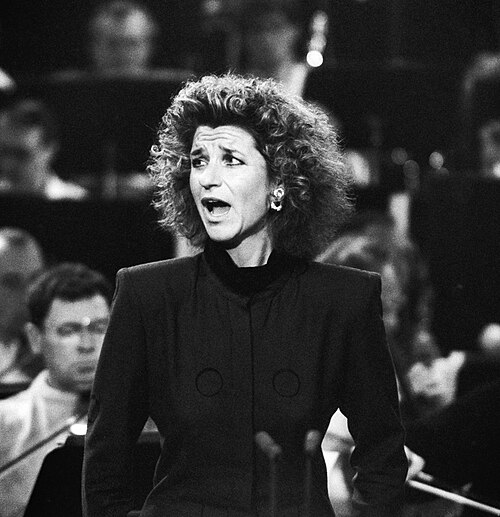
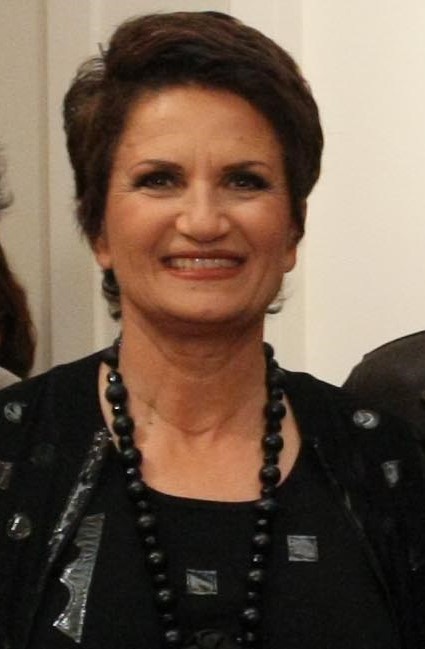
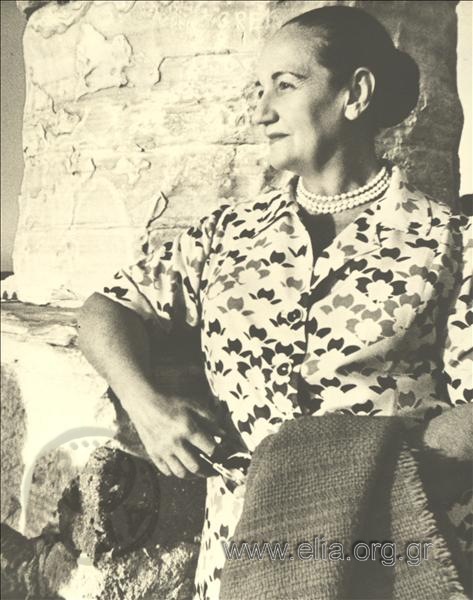
Teresa Stratas was born in Toronto in 1938 as Anastasia Strataki, the daughter of Greek immigrants. Before opera became her profession, Greek songs were part of her musical world. At thirteen she sang Greek folk songs on CBC Radio’s Songs of My People. Her beginnings were rooted in the Greek diaspora’s Canadian musical life.
She studied singing with Irene Jessner in Toronto and made her professional opera debut in 1958 as Mimì in Puccini’s La bohème (The Bohemians). After winning the Metropolitan Opera auditions in 1959, she joined the New York company as Poussette in Massenet’s Manon. Supporting roles gave way to leading parts; her 1961 Liù in Turandot, replacing another singer, became a decisive success. Her subsequent work reached major European and North American houses.
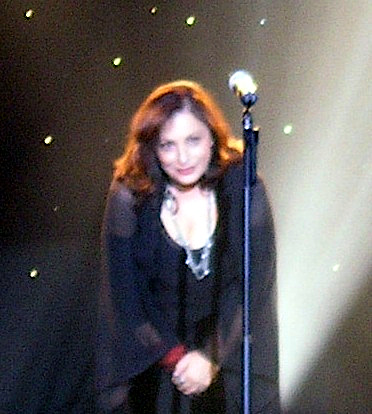
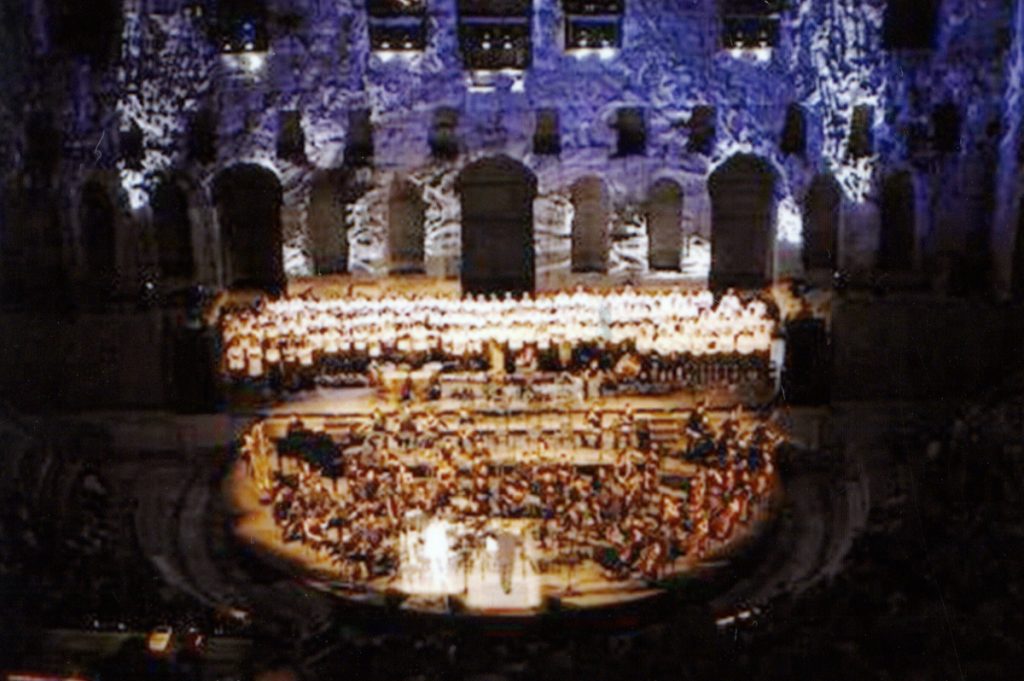
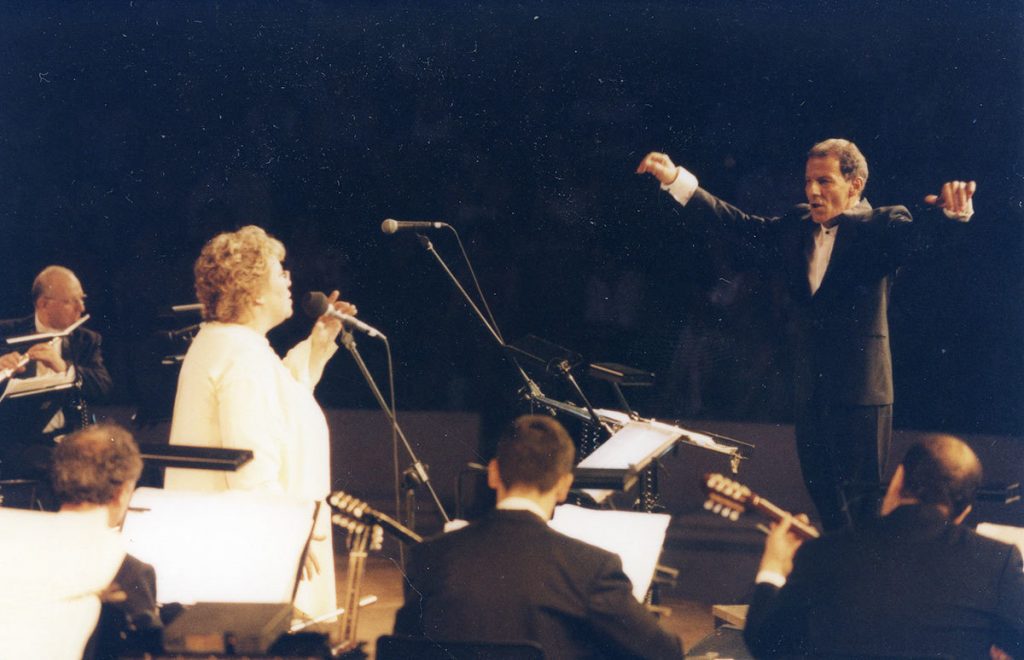
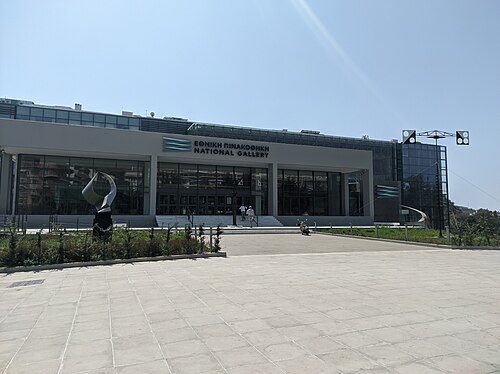
Canada appointed her an Officer of the Order of Canada in 1972 and honoured her lifetime artistic achievement in 2000. In Athens, the Greek National Opera devoted an evening to her career on 28 May 2015 at the Olympia Theatre. Her papers at the New York Public Library preserve programmes, annotated scores, photographs and designs, documenting the work behind her public performances.
Works

Stratas’s performances bring singing and dramatic characterisation into close contact. Mimì belongs to the intimate human scale of Puccini’s La bohème (The Bohemians); Lulu demands a very different musical and theatrical world. In Paris in 1979 she sang the title role in the first complete three-act performance of Alban Berg’s Lulu, conducted by Pierre Boulez and staged by Patrice Chéreau. Friedrich Cerha’s completion of the third act made this a landmark in the opera’s performance history.
Her Greek connection also includes the world premiere of Peggy Glanville-Hicks’s Nausicaa in Athens in 1961. Based on Robert Graves’s Homer’s Daughter, the opera draws on Greek musical materials. Its original-cast recording distinguishes English solo parts from Greek choral passages. The project connects her Greek heritage with an Australian composer’s international vision of ancient Mediterranean stories.
She played Violetta in Franco Zeffirelli’s film of Verdi’s La traviata (The Fallen Woman), released in 1983. The camera brought her acting close to audiences beyond the theatre; the singing is Italian. In 1991 she created Marie Antoinette in John Corigliano’s English-language The Ghosts of Versailles at the Metropolitan Opera. These performances show her movement between intimate lyric roles, demanding modern scores, film and contemporary opera.
Legacy in Greece today
The Greek National Opera’s archived Αφιέρωμα στην Τερέζα Στράτας (Tribute to Teresa Stratas) connects her international career with Greek cultural memory. Open the 2015 listing and find three practical details: 28 Μαΐου 2015, Θέατρο Ολύμπια and 20.00. Ask Πότε; Πού; Τι ώρα; and answer in a full sentence. Turn 20.00 into στις οκτώ το βράδυ, then write Η εκδήλωση έγινε στην Αθήνα. The date belongs to a past event. This A2 reading task practises finding information in Greek; the Italian, German and English repertoire discussed here offers musical experience in its own languages. Use the adapted passage below to rehearse your questions and answers.
Did you know?
- Sang Greek folk songs on CBC Radio at thirteen.
- Created Lulu in the first complete three-act version in Paris, 1979.
- Honoured by the Greek National Opera at the Olympia Theatre in 2015.
Key works
| Greek title | Title | Year |
|---|---|---|
| Μποέμ — Μιμή | La bohème — Mimì, Toronto opera debut | 1958 |
| Μανόν — Πουσέτ | Manon — Poussette, Metropolitan debut | 1959 |
| Ναυσικά — ομώνυμος ρόλος | Nausicaa — title role, Athens world premiere | 1961 |
| Λουλού — πλήρης τρίπρακτη εκδοχή | Lulu — first complete three-act production, Paris | 1979 |
| Τραβιάτα — Βιολέτα στον κινηματογράφο | La traviata — Violetta, Zeffirelli film release | 1983 |
| Τα φαντάσματα των Βερσαλλιών — Μαρία Αντουανέτα | The Ghosts of Versailles — Marie Antoinette, world premiere | 1991 |
A line to remember
η εντυπωσιακή ταύτιση της Στράτας με τον κεντρικό ρόλο
i entyposiakí táftisi tis Strátas me ton kentrikó rólo
Stratas’s striking identification with the central role