Life
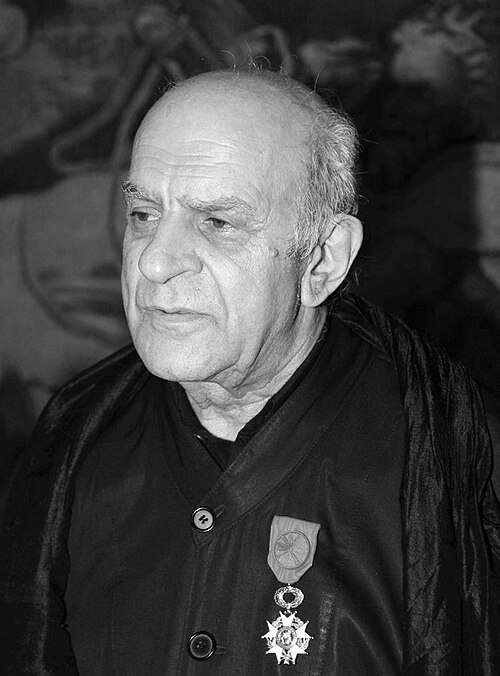
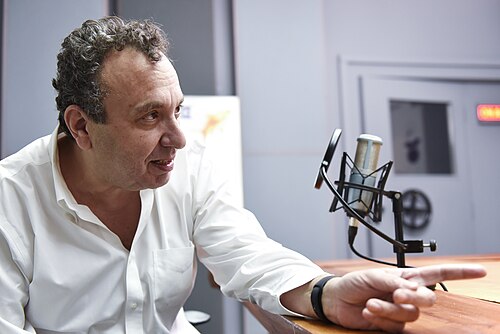
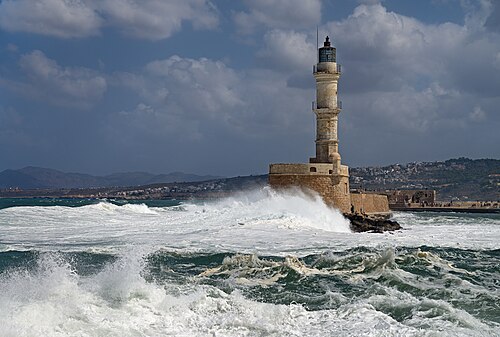
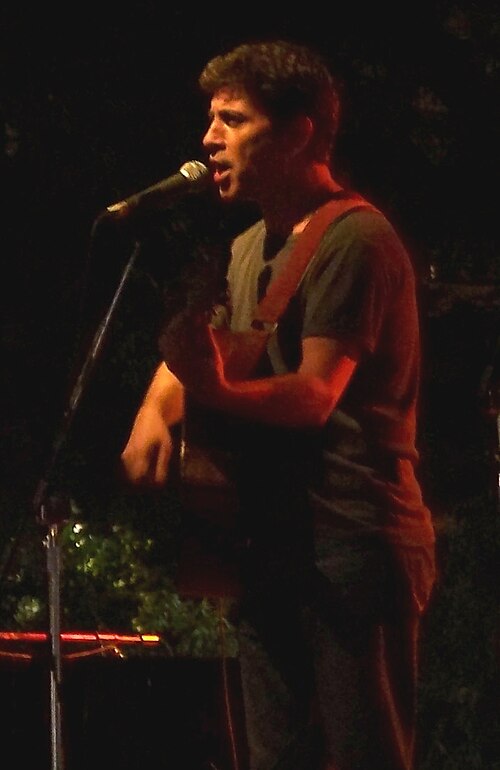
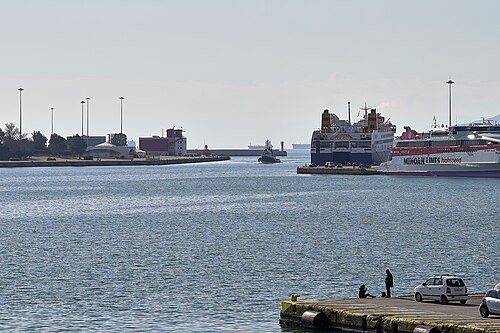
Christos Ikonomou was born in Athens in 1970 and grew up in Piraeus, Chania and other places. He trained in journalism and worked for newspapers, including Ethnos. In a 2017 interview, he recalled an early reporting assignment in Keratsini: neighbours were complaining that smoke from a food shop's chimney was dirtying their clothes. Such attention to ordinary lives also became central to his fiction. He has taught creative writing and describes reading his own sentences aloud as part of the work of composing them.
His first collection, Η γυναίκα στα κάγκελα (The Woman at the Railings), appeared in 2003. Κάτι θα γίνει, θα δεις (Something Will Happen, You'll See, 2010) received the State Short-Story and Novella Prize in 2011. Το καλό θα ’ρθει από τη θάλασσα (Good Will Come from the Sea, 2014) and Οι Κόρες του Ηφαιστείου (The Volcano Daughters, 2017) followed. Karen Emmerich translated the 2010 and 2014 collections into English for Archipelago Books, published in 2016 and 2019 respectively. In 2022, the University of Southern California presented him with its inaugural Chowdhury Prize in Literature. Πες της (Tell Her), a new prose work, appeared in 2023. In 2025, he discussed short stories and short films at the Drama International Short Film Festival.
Works

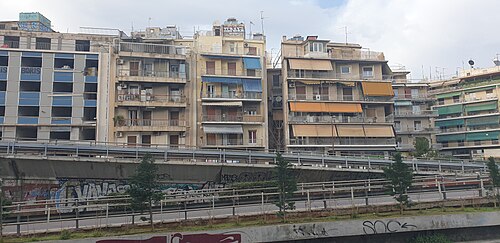
Κάτι θα γίνει, θα δεις (Something Will Happen, You'll See, 2010) gathers sixteen stories from working-class neighbourhoods around Piraeus, including Kaminia, Nikaia and Drapetsona. Jobs, homes and the ability to care for other people become fragile. Ikonomou explained in 2017 that he had begun the book in 2004, when the Athens Olympics occupied public attention. The writing developed over years, listening to lives outside that brightly lit image. His interest in rhythm gives the stories an oral energy: he reads his sentences aloud and tests how they sound.
Το καλό θα ’ρθει από τη θάλασσα (Good Will Come from the Sea, 2014) contains four linked stories set on an unnamed island, where poverty weighs on newcomers and locals. Πες της (Tell Her, 2023) follows a woman courier moving through the city and encountering sharply different lives. In interviews, Ikonomou distinguishes a character's voice from the author's intentions. A hopeful-sounding title can therefore open a question about hope. For a learner, the short phrase θα δεις provides a practical starting point: change it to θα δω and describe one action you plan for tomorrow. The adapted reading supports that small task before the more demanding original stories.
Legacy in Greece today
Ikonomou's stories circulate through translations and educational resources as well as Greek books. The Ministry of Culture's short-story anthology includes his prize-winning work. The Centre for the Greek Language also uses his writing in Πολύτροπη Γλώσσα (Multimodal Language). Open its page Κειμενικά είδη (2) (Text Types, 2), find the title Κάτι θα γίνει, θα δεις and underline θα twice. Change θα δεις (you will see) to θα δω (I will see). Then write your own plan: Αύριο θα δω έναν φίλο (Tomorrow I will see a friend). Read it aloud, replace the friend with another person and repeat. The title gives a small supported exercise before the original stories' more demanding language.
Did you know?
- He began writing the stories of Κάτι θα γίνει, θα δεις in 2004, six years before publication.
- He reads his own sentences aloud to test their rhythm.
- Karen Emmerich joined the 2022 ceremony for his inaugural Chowdhury Prize.
Key works
| Greek title | Title | Year |
|---|---|---|
| Η γυναίκα στα κάγκελα | The Woman at the Railings | 2003 |
| Κάτι θα γίνει, θα δεις | Something Will Happen, You'll See | 2010 |
| Το καλό θα ’ρθει από τη θάλασσα | Good Will Come from the Sea | 2014 |
| Οι Κόρες του Ηφαιστείου | The Volcano Daughters | 2017 |
| Πες της | Tell Her | 2023 |
A line to remember
Γράφω με το αυτί.
Gráfo me to aftí.
I write by ear.