Life
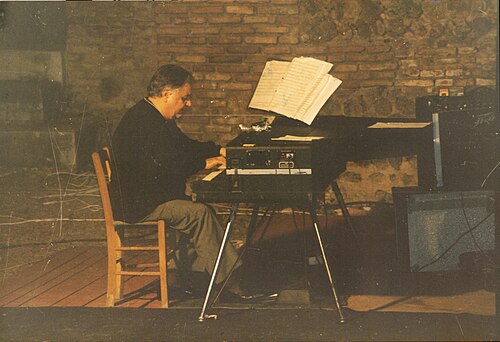
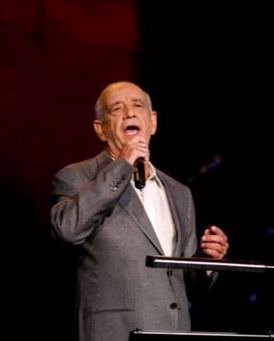
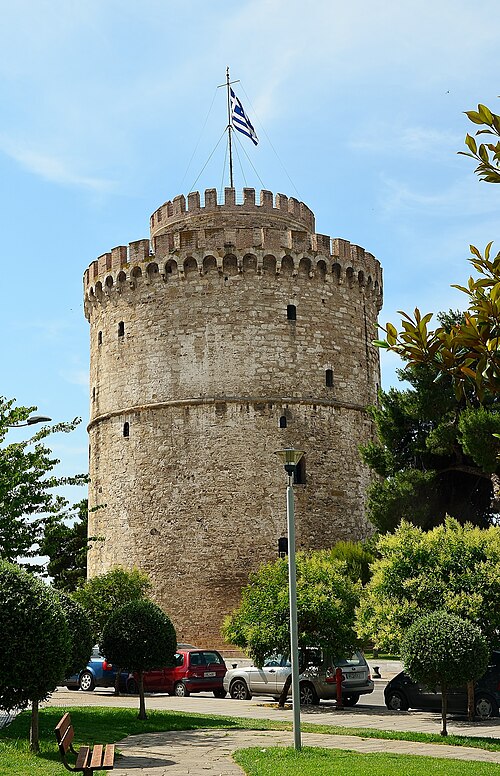
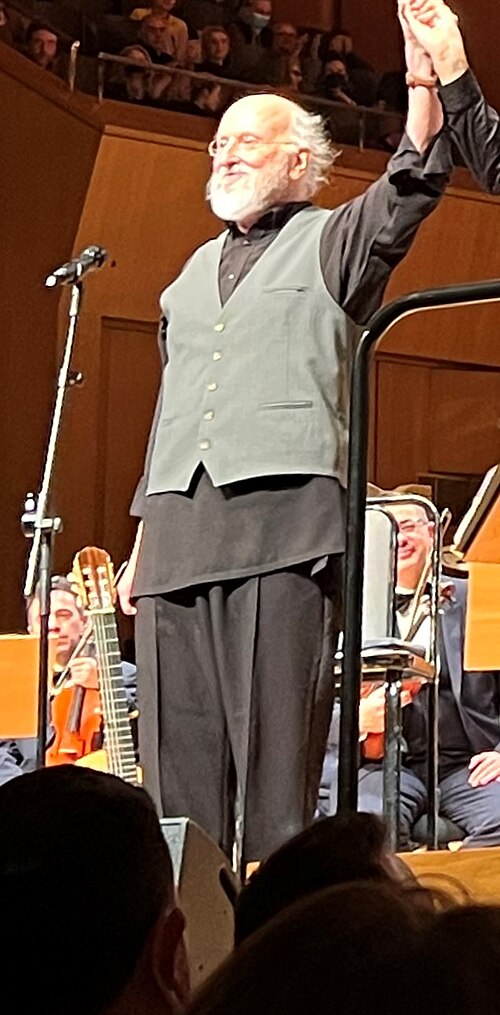
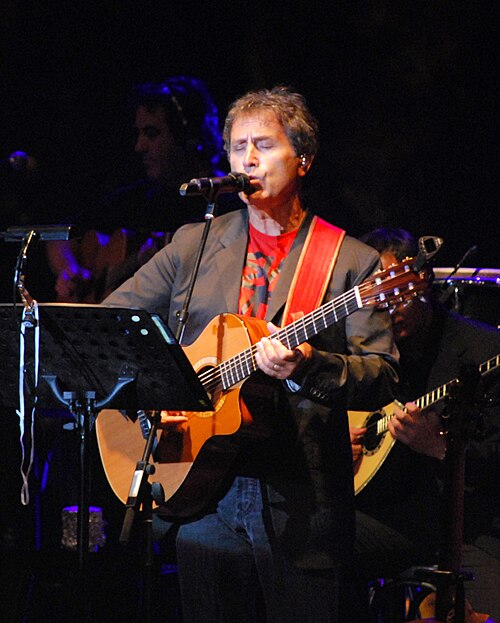
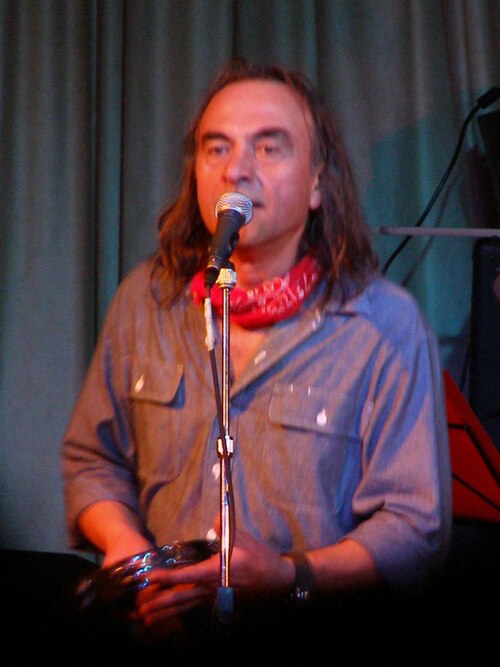
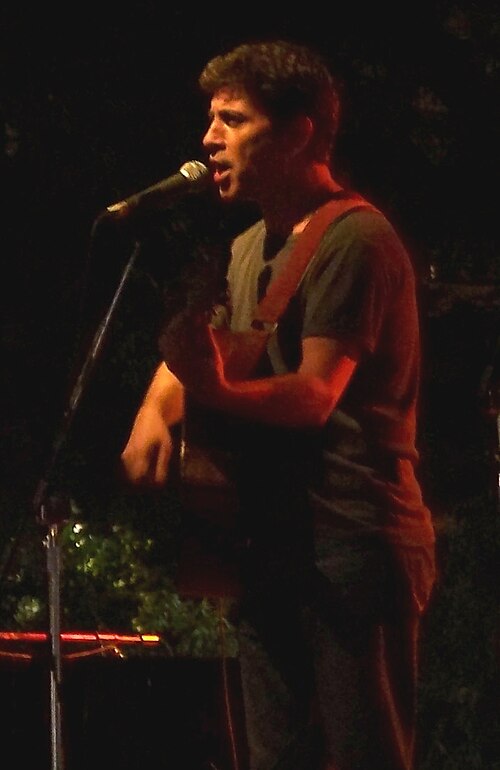
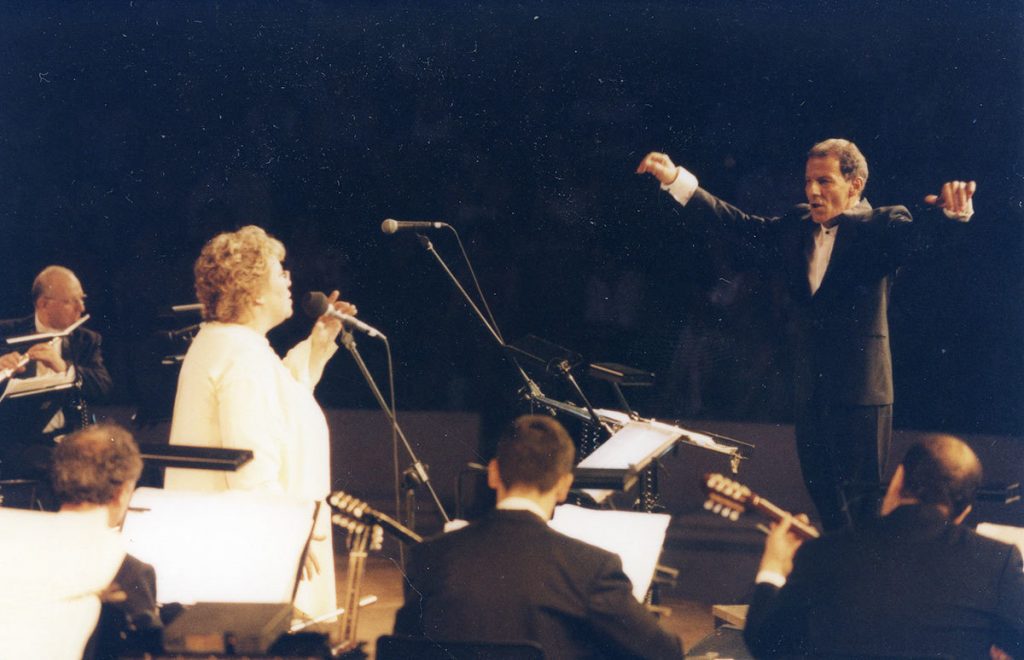
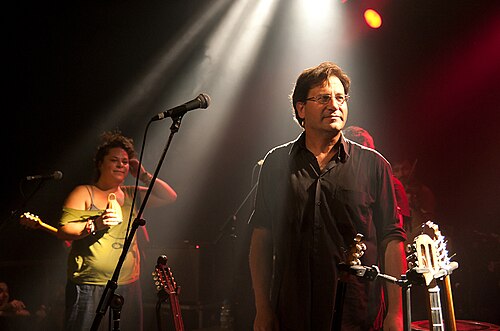
Thanasis Papakonstantinou was born in 1959. His musical world has close ties to Tyrnavos and the wider Thessalian landscape of plains, mountains and rivers. His first album, Αγία Νοσταλγία (Holy Nostalgia), appeared in 1993. The extended collaboration with Sokratis Malamas on Στην Ανδρομέδα και στη γη (On Andromeda and on Earth, 1995) began a partnership that would return in different forms over the following decades. Melina Kana also became an important voice in his early work; in a 2013 concert statement he publicly acknowledged her contribution to that first creative period.
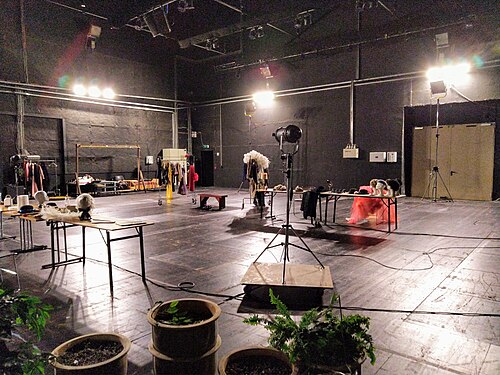
Βραχνός προφήτης (Hoarse Prophet, 2000) brought further encounters, including work with arranger Babis Papadopoulos and singer Giannis Aggelakas. Papakonstantinou's recording practice grew around collaborators and his Ahos studio. For Ο ελάχιστος εαυτός (The Minimal Self, 2011), Fotis Siotas was the principal arranger and Christos Megas recorded and mixed most of the material at Metaxochori. In 2018 he and Malamas released Με στόμα που γελά (With a Mouth That Smiles), recorded at the new Ahos studio in Megalovryso. In February 2026, Voice of Greece featured him speaking about Tyrnavos and the place's role in his musical imagination.
Works

Papakonstantinou treats Greek musical tradition as material for new combinations. Lute and bouzouki can meet electric guitar, keyboards and improvisation; folk memory shares space with rock and other exploratory sounds. His songs are therefore shaped not only by melody and words but also by the musicians who give them a particular texture. For Βραχνός προφήτης (Hoarse Prophet, 2000), Babis Papadopoulos undertook much of the arranging, while Kora Michaelian arranged two pieces. In his account of the process, Papakonstantinou first imagines suitable instruments and then approaches performers whose sound can realise that idea.
Collaboration changes the voice of a record as well. On Ο ελάχιστος εαυτός (The Minimal Self, 2011), Papakonstantinou is the main singer, alongside appearances by Fotis Siotas and Orfeas Peridis. Με στόμα που γελά (With a Mouth That Smiles, 2018) instead gives twelve performances to Sokratis Malamas and one to Papakonstantinou. Its author's accompanying statement connects laughter with depth and mortality, rather than simple cheerfulness. The title offers an accessible grammatical pattern inside a more demanding artistic world: στόμα is mouth, γελά means smiles or laughs, and που links the noun to what it does. The complete songs contain richer vocabulary and imagery.
Legacy in Greece today
Papakonstantinou's records invite listeners to notice both the words and the people giving them sound. Open the 2018 album announcement Με στόμα που γελά (With a Mouth That Smiles) on Soundgaze and read its title aloud. Find που, which links mouth to smiles or laughs. Then make two descriptions of your own: ο άνθρωπος που τραγουδά (the person who sings) and η παρέα που ακούει (the group that listens). Notice that που stays the same although the nouns change. Say both phrases aloud, replace τραγουδά with γελά, and write one description of a friend. This small pattern is manageable at A2; the album's complete poetic lyrics call for further help.
Did you know?
- His first album appeared in 1993, as he recalled in a 2013 concert statement.
- The Ahos studio named in the 2011 album credits was at Metaxochori; the 2018 statement names a new studio at Megalovryso.
- On the 2018 collaboration, Malamas sings twelve pieces and Papakonstantinou one.
Key works
| Greek title | Title | Year |
|---|---|---|
| Αγία Νοσταλγία | Holy Nostalgia | 1993 |
| Στην Ανδρομέδα και στη γη | On Andromeda and on Earth | 1995 |
| Βραχνός προφήτης | Hoarse Prophet | 2000 |
| Ο ελάχιστος εαυτός | The Minimal Self | 2011 |
| Με στόμα που γελά | With a Mouth That Smiles | 2018 |
A line to remember
Να ξέρεις ότι τα καλύτερα τραγούδια που γράφονται είναι οι σχέσεις των ανθρώπων.
Na xéris óti ta kalítera tragoúdia pou gráfonte íne i schésis ton anthrópon.
You should know that the best songs being written are the relationships between people.