Life
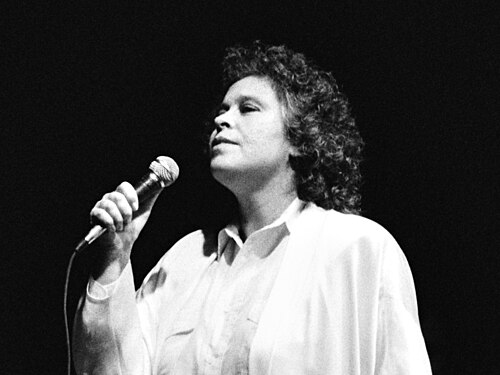
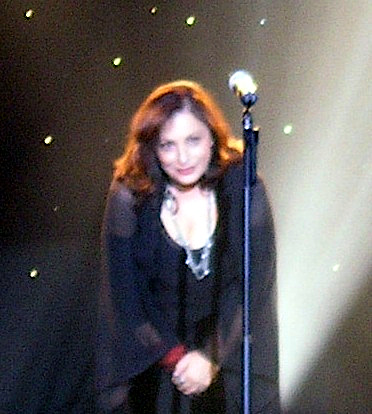
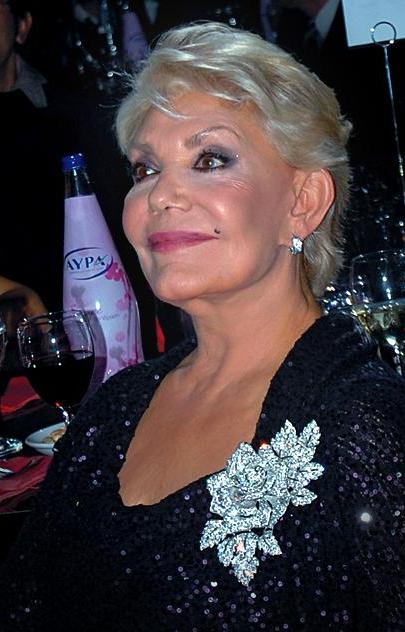
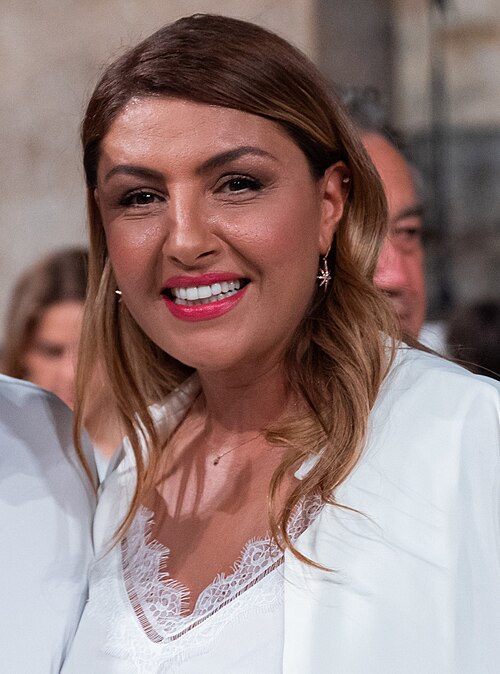
Helena Paparizou, also known as Elena Paparizou, was born in Sweden in 1982. Her early professional story belongs to both Sweden and Greece. At seventeen she formed Antique with Nikos Panagiotidis. The duo combined Greek musical sounds with Scandinavian pop, and their debut single, Opa Opa, introduced that combination to a wider audience. In 2001 they represented Greece at Eurovision in Copenhagen with Die for You and finished third. This was Greece’s best result in the contest up to that point.
Antique’s members went separate ways at the end of 2003, and Paparizou began a solo career. Her first solo album followed in 2004. In January 2005, the Greek broadcaster ERT selected her as the country’s Eurovision performer; a televised national final in March selected My Number One as her song. In Kyiv she won with 230 points. The victory also brought the following year’s contest to Athens. Her connection with Swedish music continued: in 2014 she entered Melodifestivalen with Survivor and finished fourth in the final. She later returned to Eurovision as a guest, including a performance in Malmö in 2024.
Works

Paparizou’s music is useful for hearing how Greek popular song travels across borders. With Antique, a bouzouki sound could sit beside a modern pop arrangement. Die for You offered a compact stage version of that meeting: a clear vocal lead, a repeated refrain and a rhythm designed to reach listeners who did not share the same first language. Listen to the performance and notice how the instrumental colour remains audible within the electronic backing.
My Number One develops a related approach in English. The 2005 performance joins singing to tightly coordinated dance and striking visual gestures. The contest recording is therefore more than an audio track: movement, camera work and the supporting dancers help build its effect. Compare it with Survivor, the song she performed in Sweden’s Melodifestivalen in 2014, to hear another setting for her voice. These are performances by a singer working with songwriters, musicians and stage teams; a singer’s name on a song does not mean she wrote every part. For a learner, this distinction opens a useful question: what comes from the words, what comes from the arrangement, and what does the performer add?
Legacy in Greece today
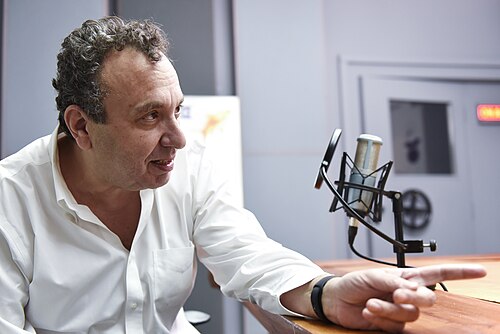
For Greek Eurovision audiences, Paparizou’s 2005 win is a concrete point of reference: the country’s first victory, followed by the contest in Athens in 2006. Her guest appearance in Malmö in 2024 shows how that performance continues to circulate in the contest’s own memory. You can explore this history through ERT’s online archive of the 2005 Greek national final. Watch the three candidate songs, then compare the chosen song with the Kyiv performance. For Greek practice, listen to her brief 2024 ERT interview and pick out words for feelings. The short quotation below comes from that interview, rather than from a song lyric.
Did you know?
- Antique represented Greece in 2001, although both performers grew up in Sweden.
- Greece selected the singer and the song in separate stages in 2005.
- Survivor placed fourth in Sweden’s 2014 Melodifestivalen final.
Key works
| Greek title | Title | Year |
|---|---|---|
| Opa Opa | Opa Opa — Antique’s debut single | 1999 |
| Die for You | Die for You — third at Eurovision | 2001 |
| My Number One | My Number One — Eurovision victory | 2005 |
| Survivor | Survivor — fourth at Melodifestivalen | 2014 |
| Eurovision — Μάλμε | Guest performance at Eurovision in Malmö | 2024 |
A line to remember
Νιώθω πάρα πολύ ενθουσιασμένη και χαρούμενη.
Niótho pára polý enthousiasméni kai charoúmeni.
I feel very excited and happy.