Life
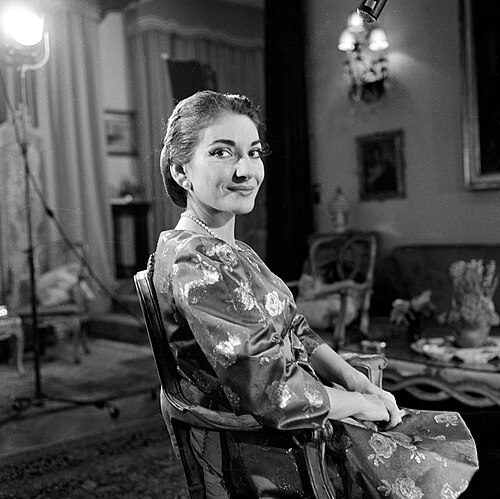
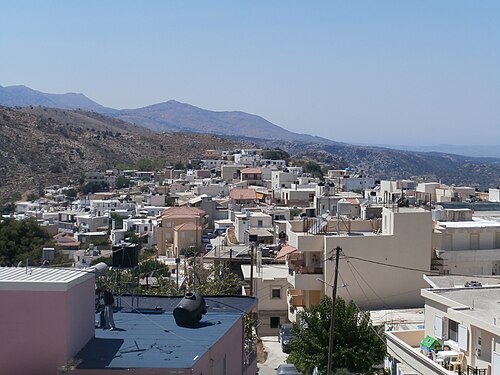
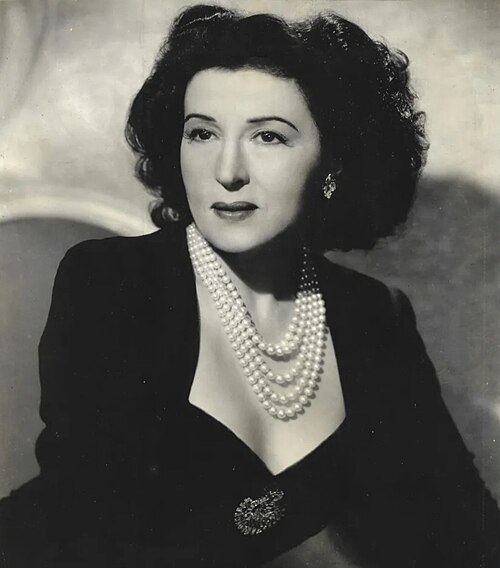
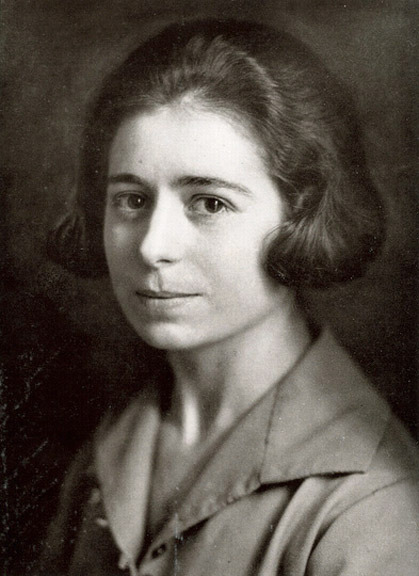
Bellou was born on 22 August 1921 in Drosia, a village near Chalkida, the town on the island of Evia joined to the mainland by a famous bridge. She grew up in a poor family and, still young, came to Athens. During the German Occupation (1941–44) she took part in the Resistance, and in 1943, after a betrayal, she was arrested and tortured by the Gestapo; these hard years shaped the toughness that people later heard in her voice.
After the war she sang in the small taverns of Athens. Around 1947 Vassilis Tsitsanis heard her and took her on. With him she sang at the club «Τζίμης ο Χοντρός» (Jimmy the Fat) and in the record studios, and her deep voice next to his bouzouki became one of the classic sounds of post-war Greek song. In the 1950s and 1960s, when rebetiko went out of fashion and lighter popular music took over, she had difficult years. From 1966 she worked with younger composers such as Dionysis Savopoulos, and the revival of rebetiko in the 1970s, after the fall of the military dictatorship, made her a star again: students and young musicians filled the halls to hear her, and she recorded and performed again, now as a living legend. She sang until late in life and died in Athens on 27 August 1997.
Works

Bellou did not write songs; she was an interpreter, and her art was the voice. It was unusually low for a woman, close to a man's register, with a dry, almost harsh edge and no ornament for its own sake. She sang standing still, without gestures, and did not try to please. In a world of men, the bouzouki players, the tavern owners, the dancers of the ζεϊμπέκικο, she sang the heavy songs as an equal, and the men treated her as one.
Her name is tied above all to Tsitsanis. In 1948 she sang with Prodromos Tsaousakis on the first recording of Συννεφιασμένη Κυριακή (Cloudy Sunday), the song Tsitsanis had written in occupied Thessaloniki and which many Greeks call their second national anthem. In the years that followed she recorded dozens of his songs about love, betrayal, poverty and the night, and she also sang songs of the older rebetiko masters such as Markos Vamvakaris. In the 1970s her recordings and concerts introduced a young audience, who had grown up on rock and on the art songs of Theodorakis and Hadjidakis, to the old repertoire. For them Bellou was not nostalgia but authenticity: the real voice of a music that had come from the poor neighbourhoods and the ports.
Legacy in Greece today
For many Greeks Bellou is still the voice of rebetiko, and her recordings are easy to find on any music platform. Start with the 1948 Cloudy Sunday with Tsaousakis, then listen to her live recordings of the 1970s, when her voice was deeper still. She is often named together with Marika Ninou as one of the two great women of Tsitsanis's golden age, and young singers of rebetiko today still measure themselves against her. Her life has been the subject of books and documentaries, and in Chalkida, her home town, she is remembered as one of its famous children. A good exercise: listen to one song she sings and write down the words you recognise, καρδιά, νύχτα, αγάπη.
Did you know?
- In December 1944 she fought in the Battle of Athens and was wounded.
- She was in the Resistance during the German Occupation and was arrested for it.
- On the first recording of Cloudy Sunday, in 1948, it is her voice next to Prodromos Tsaousakis.
- Her comeback in the 1970s was led by young people, who had not been born when she first recorded.
Key works
| Greek title | Title | Year |
|---|---|---|
| Στην Αντίσταση | In the Resistance during the Occupation | 1941–44 |
| Η γνωριμία με τον Τσιτσάνη | Discovered by Vassilis Tsitsanis | 1947 |
| Συννεφιασμένη Κυριακή | Cloudy Sunday (first recording, with Tsaousakis) | 1948 |
| Η αναβίωση του ρεμπέτικου | Concerts and recordings of the rebetiko revival | 1970s |
A line to remember
Συννεφιασμένη Κυριακή, μοιάζεις με την καρδιά μου
Synnefiasmeni Kyriaki, moiazeis me tin kardia mou
Cloudy Sunday, you look like my heart