Life
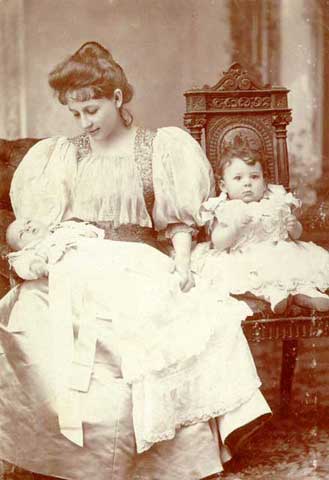
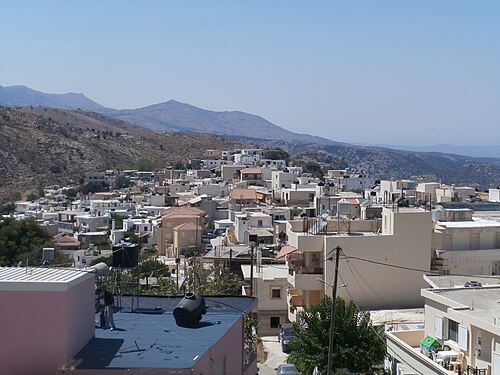
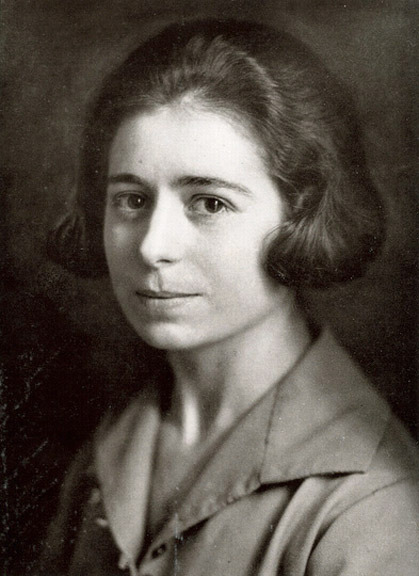
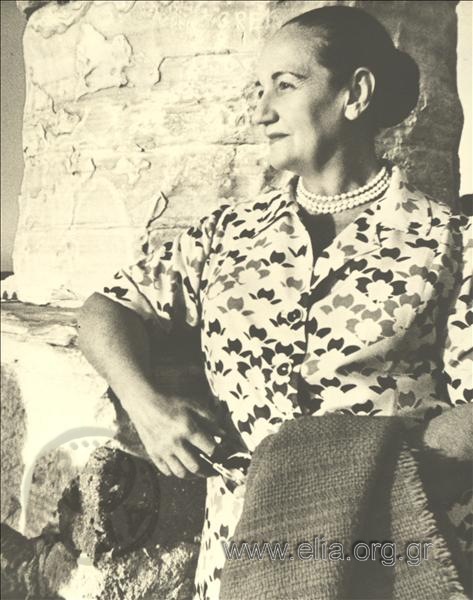
Thalia Flora-Karavia was born in Siatista in 1871 and moved with her family to Constantinople in 1874. She studied at the Zappeion girls’ school and briefly worked as a teacher. In 1895 she went to Munich for artistic training in private schools and with painters including Nikolaos Gyzis and Georgios Iakovidis.
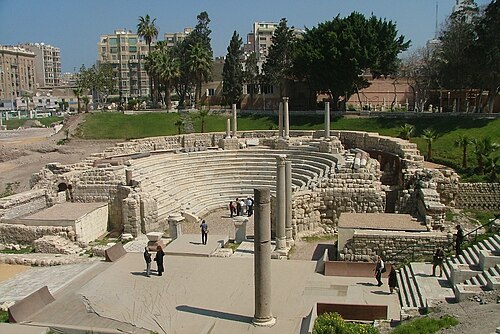
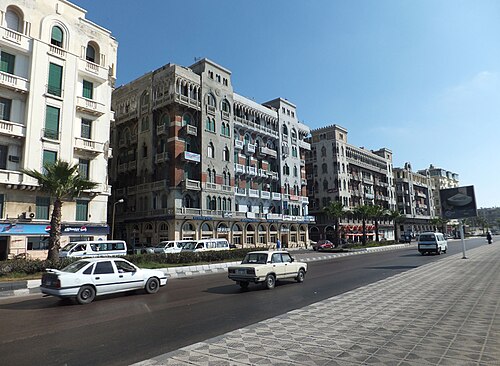
After further travel, she established a long working base in Alexandria. She married the journalist Nikolaos Karavias in 1907 and founded an art school that she directed herself. Teaching, exhibiting and painting linked her career to the Greek community in Egypt as well as to artistic networks in Europe. Her exhibition history included the Venice Biennale in 1934.
During the Balkan Wars of 1912–1913 she followed the Greek army, drawing and keeping notes. She also recorded the 1921 campaign in Asia Minor and later wartime subjects. The resulting images include people, hospitals, places and monuments, rather than battle scenes alone. Her Balkan War recollections appeared as a book in 1936. The Academy of Athens awarded her a silver medal in 1945; this was an honour, not Academy membership. She died in Athens in 1960.
Works

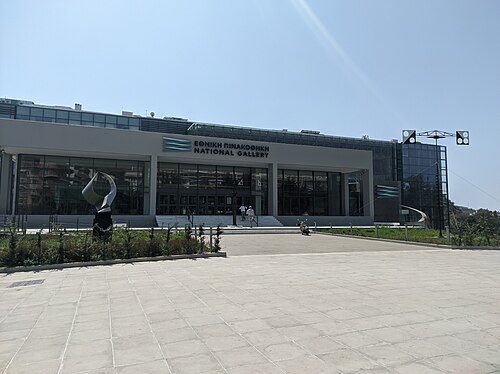
Flora-Karavia worked across portraits, landscapes, still lifes and scenes of daily life. Her Munich training gave drawing and the arrangement of figures a strong role, while her later painting explored changing light and outdoor colour. The National Gallery’s Κωνσταντινούπολη (Constantinople), dated around 1905, and Υδροφόρες στο Νείλο (Water Carriers on the Nile), around 1909, locate that work in the cities and environments through which she travelled.
Αγόρι που διαβάζει (Boy Reading), around 1906, offers a quiet counterpart to public events: the subject is absorbed in reading. Her 1913 pastel Ο Πρίγκηψ Χριστόφορος (Prince Christopher) shows that portraiture also formed part of her wartime production. These named works make it possible to compare an urban view, a group of working figures and an individual sitter without reducing her career to a single subject.
Her sketches accompanied written observation. Εντυπώσεις από τον πόλεμο του 1912–1913: Μακεδονία–Ήπειρος (Impressions from the War of 1912–1913: Macedonia–Epirus), published in 1936, brought that visual and verbal record together. The National Historical Museum also preserves drawings from her 1921 journey. Such sheets are artistic selections made from a particular viewpoint; they need dates, places and historical context alongside close attention to the lines themselves.
Legacy in Greece today
Open the National Gallery’s Greek collection entry Αγόρι που διαβάζει. Read the title and connect διαβάζει with “reads”. Look at the face and hands, then choose one visible colour and write Βλέπω… followed by its name. Add one short sentence using φωτεινό or σκοτεινό for a part of the image. Separate what you can actually see from any story you imagine about the child. Compare that quiet observation with the artist’s short phrase about making notes in words and pictures. The adapted A2 passage provides the vocabulary for this task. For historical context, the Hellenic Parliament Foundation reprinted her 1936 war book in 2012, and the National Historical Museum published a selection of her 1921 drawings in 2022.
Did you know?
- She founded and directed an art school in Alexandria.
- The National Gallery catalogues Prince Christopher as a pastel from 1913.
- Her 1936 Balkan War book was reprinted by the Hellenic Parliament Foundation in 2012.
Key works
| Greek title | Title | Year |
|---|---|---|
| Κωνσταντινούπολη | Constantinople | c. 1905 |
| Αγόρι που διαβάζει | Boy Reading | c. 1906 |
| Υδροφόρες στο Νείλο | Water Carriers on the Nile | c. 1909 |
| Ο Πρίγκηψ Χριστόφορος | Prince Christopher | 1913 |
| Εντυπώσεις από τον πόλεμο του 1912–1913: Μακεδονία–Ήπειρος | Impressions from the War of 1912–1913: Macedonia–Epirus | 1936 |
A line to remember
σημείωνα με λόγια και εικόνες
simeiona me logia kai eikones
I made notes in words and pictures.