Life
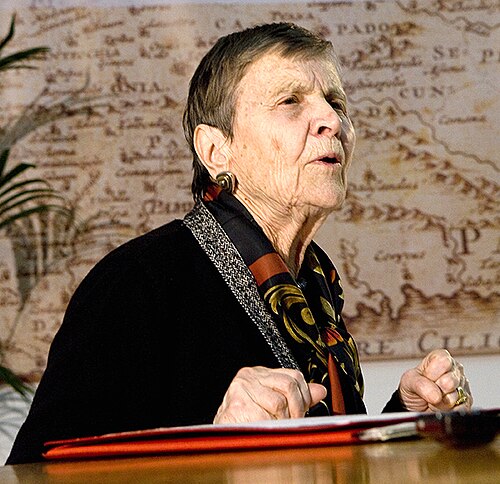
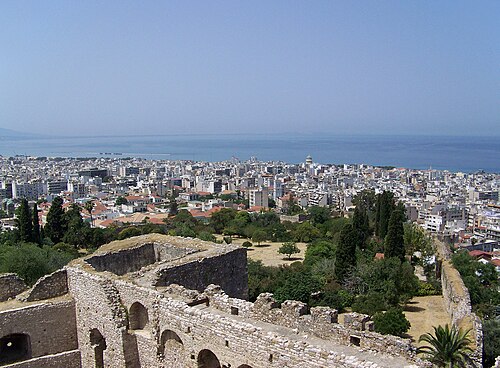
Ersi Sotiropoulou, published in English as Ersi Sotiropoulos, was born in Patras in 1953. She studied philosophy and cultural anthropology in Florence and worked as cultural adviser at the Greek embassy in Rome. Her writing spans poetry, novels, novellas and short stories; she has also experimented with visual and concrete poetry. The movement between places and forms belongs to her artistic career.
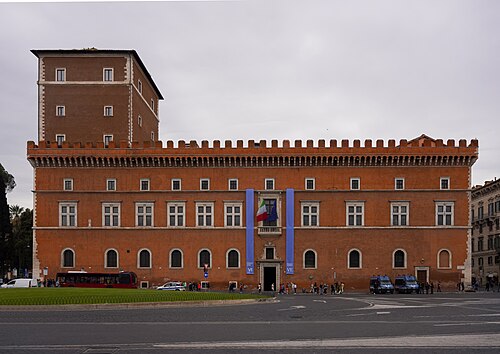
In 1984 she organised a Cavafy exhibition at Palazzo Venezia in Rome. Research for that project raised questions about the poet's visit to Paris and eventually helped spark Τι μένει από τη νύχτα (What's Left of the Night), published in 2015. The interval mattered: her novel grew through research and invention over a much longer period than the three Parisian days it narrates. Her earlier Ζιγκ ζαγκ στις νεραντζιές (Zigzag through the Bitter-Orange Trees), first published in 1999, received the State Novel Prize and the Diavazo novel award in 2000.
International readers encounter her work through translators. Karen Emmerich's English version of What's Left of the Night received ALTA's National Translation Award in Prose in 2019. Sotiropoulou has continued publishing across forms; the novella Σενιορίτα (Señorita) appeared in April 2026. Her Greek books offer different scales of reading, from a compressed story to a sustained novel.
Works

Τι μένει από τη νύχτα (What's Left of the Night, 2015) follows Cavafy and his brother John in Paris in June 1897. The action concentrates on three days and nights, while description moves into the poet's imagined thoughts, ambitions and doubts. Historical research supplies a framework; the inner voice belongs to Sotiropoulou's fiction. In her 2016 interview she explained that gaps in the archive, rather than a sensational discovery, first prompted the book.
In Εύα (Eva, 2009), a woman returning from a Christmas Eve celebration encounters an unfamiliar Athens behind the festive lights. A journey through streets becomes a disturbance of her settled life. Να νιώθεις μπλε, να ντύνεσαι κόκκινα (To Feel Blue, to Dress in Red, 2011) brings small incidents into focus: a trapped wasp, a chance phrase or an unexpected meeting can alter the emotional scale of everyday life. Comedy and drama remain close together.
Σενιορίτα (Señorita, 2026) places a woman amid a street celebration in Mexico City. Across these books, movement through a city is also movement through perception. A detail can unsettle an apparently clear scene, and a sentence can shift from an outward action to the thought it provokes.
Legacy in Greece today
Start with the publisher's description of Τι μένει από τη νύχτα and write a short Modern Greek note: the novel follows Cavafy in Paris in 1897. Then invent two possible details of a traveller's evening, introducing them with ίσως or μπορεί να. Mark these as your imagined scene, and compare how the wording differs from the dated statement. Read the three sentences aloud and replace one confident verb with an expression of possibility. You practise a useful distinction between evidence and inference while exploring a novel built around historical gaps. The adapted B2 passage supports the task; approach longer literary sentences with a dictionary and, if useful, a translation alongside the Greek.
Did you know?
- Her 1984 Cavafy exhibition took place at Palazzo Venezia in Rome.
- The 2015 novel concentrates on three Parisian days and nights in June 1897.
- ALTA’s 2019 prose translation award recognised Karen Emmerich’s English translation.
Key works
| Greek title | Title | Year |
|---|---|---|
| Ζιγκ ζαγκ στις νεραντζιές | Zigzag through the Bitter-Orange Trees | 1999 |
| Εύα | Eva | 2009 |
| Να νιώθεις μπλε, να ντύνεσαι κόκκινα | To Feel Blue, to Dress in Red | 2011 |
| Τι μένει από τη νύχτα | What’s Left of the Night | 2015 |
| Μπορείς; | Can You? | 2017 |
| Σενιορίτα | Señorita | 2026 |
A line to remember
Μόνο υποθέσεις μπορεί να κάνει κανείς.
Mono ypotheseis borei na kanei kaneis.
One can only make conjectures.